
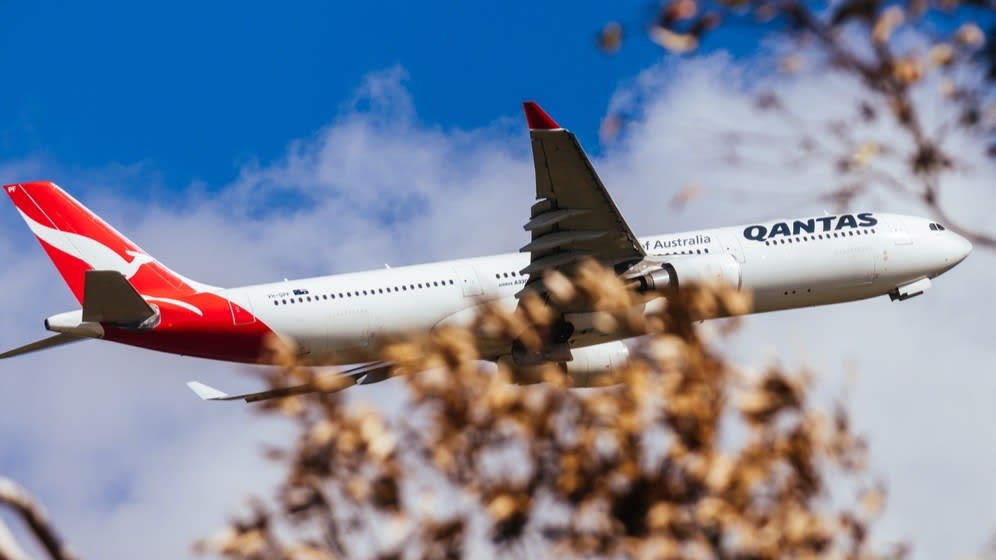
Australian airline Qantas has revealed plans to reduce its workforce by 850 positions while simultaneously outsourcing certain jobs to India. This move is part of a comprehensive strategy aimed at integrating artificial intelligence (AI) into its operations, signaling a significant shift in the company's approach to labor and technology.
Details of the Job Cuts
The job reductions, which are expected to affect various sectors within the airline, come as Qantas seeks to streamline operations and enhance efficiency. The decision has drawn attention from labor unions and industry analysts, who are concerned about the implications of such cuts, particularly in a sector that has already been significantly impacted by the COVID-19 pandemic.
Qantas has stated that the affected positions are primarily in administrative and support roles, which the airline believes can be effectively managed through AI technology. The airline's management emphasized that the goal is to improve service delivery and operational capabilities, although critics argue that the approach may lead to a degradation of job security for many employees.
Outsourcing to India
As part of its strategy, Qantas plans to transfer specific functions to India, where labor costs are generally lower. This outsourcing is expected to encompass a range of support services, which the airline believes will not only save costs but also allow for greater flexibility in operations. The move has raised concerns about the potential loss of skilled jobs in Australia, especially given the current economic climate.
The airline's decision to outsource has been met with pushback from labor unions, who argue that this shift undermines local employment and the Australian workforce. Unions have called for greater transparency and engagement from Qantas regarding how these changes will affect existing employees and the broader community.
The Role of AI in Qantas's Strategy
Qantas's integration of AI is not unique; many industries are increasingly turning to technology to enhance productivity and reduce operational costs. The airline has indicated that AI will play a critical role in areas such as customer service, data analysis, and operational management.
By leveraging AI, Qantas aims to enhance customer experiences, streamline processes, and make data-driven decisions. However, the reliance on technology also raises questions about the future of employment within the airline and the broader aviation sector.
Reactions from Stakeholders
Stakeholder reactions have been mixed. While some industry experts recognize the potential benefits of adopting AI and outsourcing, others caution against the risks of eroding job security and the potential backlash from the public. The airline industry is known for its volatility, and critics argue that Qantas should prioritize retaining skilled workers to maintain service quality.
In response to the backlash, Qantas has committed to providing support to affected employees, including severance packages and assistance in finding new employment opportunities. The airline insists that the long-term vision of the company necessitates these difficult decisions to remain competitive in an evolving market.
Comments (0)
Be the first to comment!