
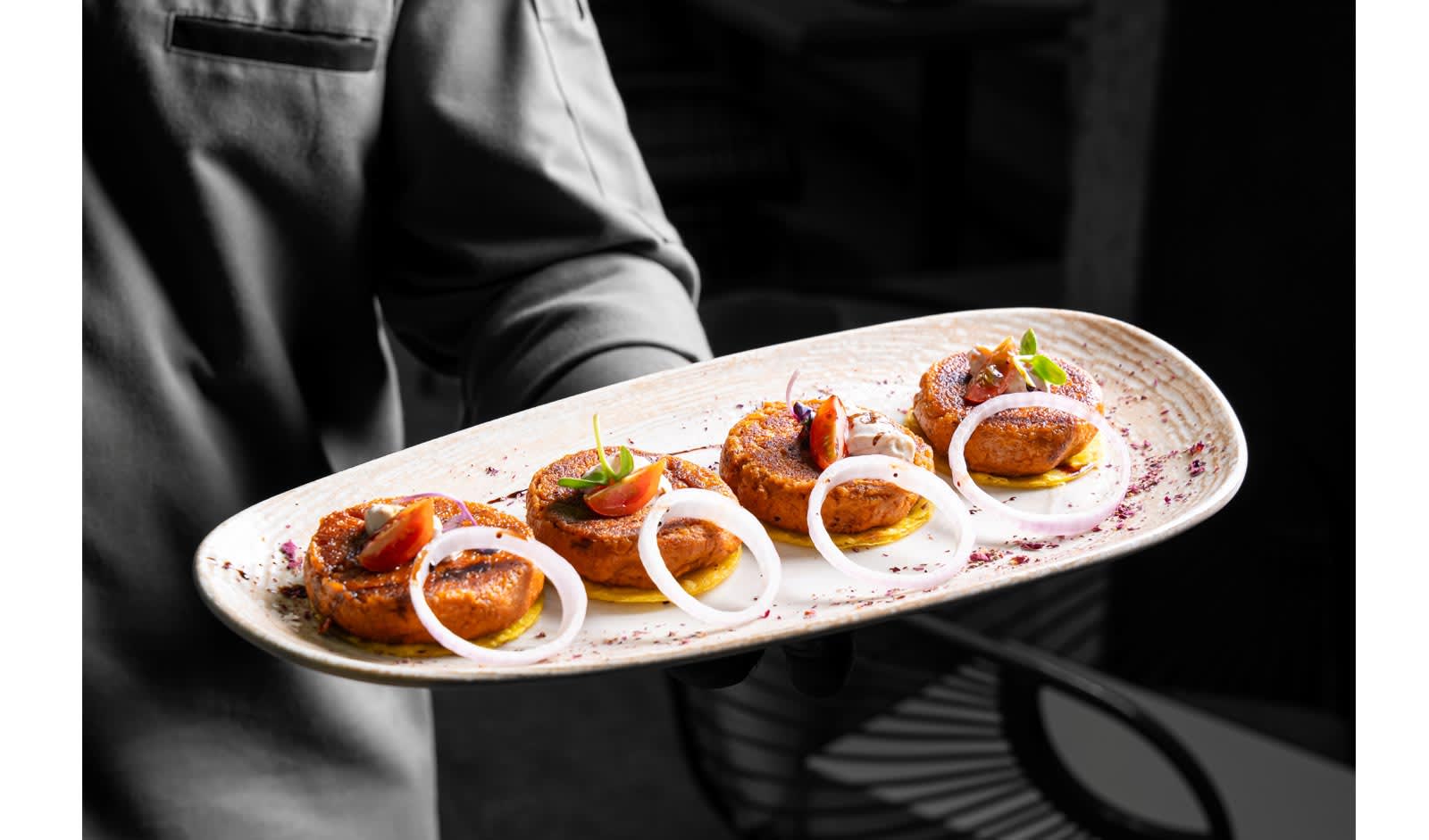
The Transformation of Indian Cuisine
Indian cuisine has undergone a significant transformation over the years, evolving from traditional recipes to a contemporary culinary landscape that reflects the diverse culture and modernity of India. This shift is not merely a change in ingredients or cooking techniques but represents a broader narrative of what it means to be Indian in today’s world.
Understanding Modern Indian Food
Modern Indian food can be defined as a blend of traditional flavors with innovative cooking methods and global influences. Chefs across the country and in the diaspora are reinterpreting classic dishes, making them more accessible and appealing to a global audience. This culinary renaissance highlights local ingredients while embracing international trends, creating a unique dining experience.
The phrase, “It is no longer modern Indian food; it is the food of modern India,” encapsulates this sentiment well. It suggests that contemporary Indian cuisine transcends mere modernization and instead embodies the spirit and identity of a modern Indian society, reflecting its history, diversity, and aspirations.
Culinary Influences and Innovations
In recent years, there has been a surge in culinary experimentation within Indian kitchens. Chefs are increasingly drawing inspiration from various global cuisines, incorporating elements from Japanese, Mediterranean, and American styles into their dishes. This fusion has led to the emergence of signature dishes that maintain the essence of Indian cooking while showcasing innovation.
For instance, the use of molecular gastronomy in Indian cooking has introduced new textures and presentations, challenging diners' perceptions of traditional dishes. Similarly, the revival of ancient grains and forgotten recipes has brought attention to regional specialties that were previously overlooked.
The Role of Technology and Social Media
The rise of technology and social media has played a pivotal role in the evolution of modern Indian cuisine. Platforms like Instagram and food blogs have allowed chefs and home cooks alike to share their culinary creations with a global audience. This visibility has not only popularized Indian food but has also fostered a community where culinary ideas and techniques can be exchanged freely.
Moreover, food delivery apps and online cooking classes have made it easier for people to explore new dishes and flavors from the comfort of their homes. As a result, there is an increasing interest in learning about Indian cooking methods, spices, and regional variations.
Challenges and Opportunities
Despite the progress, modern Indian cuisine faces several challenges. The need to balance authenticity with innovation can be tricky, as purists may resist changes to traditional recipes. Additionally, the growing demand for sustainable and healthy eating practices puts pressure on chefs to source ingredients responsibly.
However, these challenges also present opportunities for growth. With an increased focus on sustainability, many chefs are exploring plant-based options and seasonal produce, which not only cater to health-conscious consumers but also support local farmers.
The Future of Indian Cuisine
As modern Indian food continues to evolve, it is essential to recognize its roots and the cultural significance it holds. The future of this cuisine lies in the ability to innovate while honoring the traditions that have shaped it. This blend of old and new will determine how Indian food is perceived both domestically and internationally.
In conclusion, the statement about modern Indian food signifies a cultural shift in how cuisine is viewed within the context of India’s identity. It is a journey of rediscovery, innovation, and celebration of what it means to be a part of modern India.
Comments (0)
Be the first to comment!