
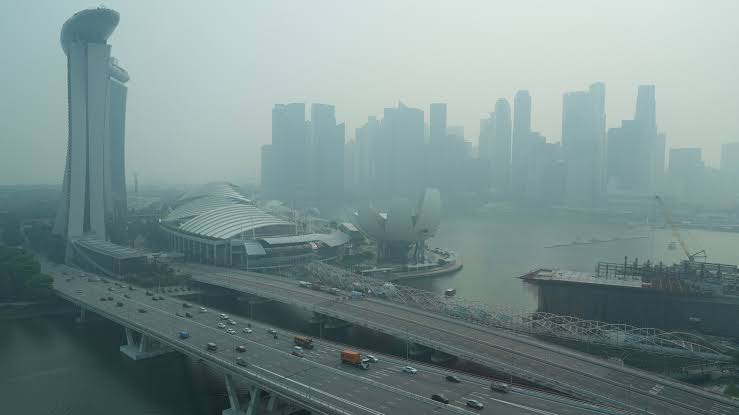
The agricultural sector in Singapore has experienced a notable decline in share prices following a recent haze warning issued by local authorities. This development has raised concerns among investors regarding the potential impact on agricultural productivity and public health.
Background on Haze Conditions
The haze phenomenon is often attributed to forest fires in neighboring countries, particularly Indonesia, where land clearing practices frequently lead to smoke that drifts across borders. This year, Singapore has been on high alert as meteorological conditions suggest a heightened risk of haze, prompting authorities to issue advisories to the public and businesses.
Market Reactions
In response to the haze warning, shares of several key agricultural companies in Singapore have seen a sharp decline. Analysts suggest that investors are concerned about the potential disruption in operations and the adverse effects of poor air quality on crop yields. The uncertainty surrounding the duration and severity of the haze has led to a cautious sentiment in the market.
Furthermore, companies involved in food production and distribution are particularly vulnerable, as prolonged exposure to haze can affect both the health of workers and the quality of produce. This has resulted in a ripple effect across related sectors, further impacting stock performance.
Government Response
In light of the situation, Singaporean authorities have implemented measures to mitigate the effects of haze on the population. Public health advisories have been released, urging residents to stay indoors during periods of high pollution and to use protective masks when venturing outside. Additionally, the government has ramped up efforts to monitor air quality and provide timely updates to the public.
These initiatives are aimed not only at safeguarding public health but also at reassuring investors and businesses that the government is taking proactive steps to address the challenges posed by haze.
Investor Sentiment and Future Outlook
The recent decline in agricultural shares has raised questions about the long-term outlook for the sector. Investors are now closely monitoring the situation, particularly the effectiveness of the government's measures and the potential for a return to normal weather conditions. Analysts suggest that while the current situation is concerning, agricultural markets have historically shown resilience in the face of environmental challenges.
In the meantime, some investors may see this as an opportunity to acquire shares at a lower price, betting on a rebound once the haze situation stabilizes. However, this approach carries risks, as the volatility in agricultural stocks can be influenced by various factors, including weather patterns, global market trends, and regulatory changes.
The Broader Implications
The impact of haze extends beyond just the agricultural sector; it also poses challenges for tourism, public health, and overall quality of life in affected regions. As Singapore continues to grapple with these environmental issues, the interplay between public policy, environmental management, and economic performance will be critical.
Moving forward, ongoing engagement between stakeholders—including government agencies, businesses, and the community—will be essential to navigate the complexities of haze management and its implications for both the economy and public health.
Inference
The decline in agricultural company shares in Singapore serves as a reminder of the interconnectedness of environmental conditions and market dynamics. As the government addresses the haze crisis, the response from investors and the broader business community will be key in determining the resilience of the agricultural sector in the face of ongoing challenges.
Comments (0)
Be the first to comment!