
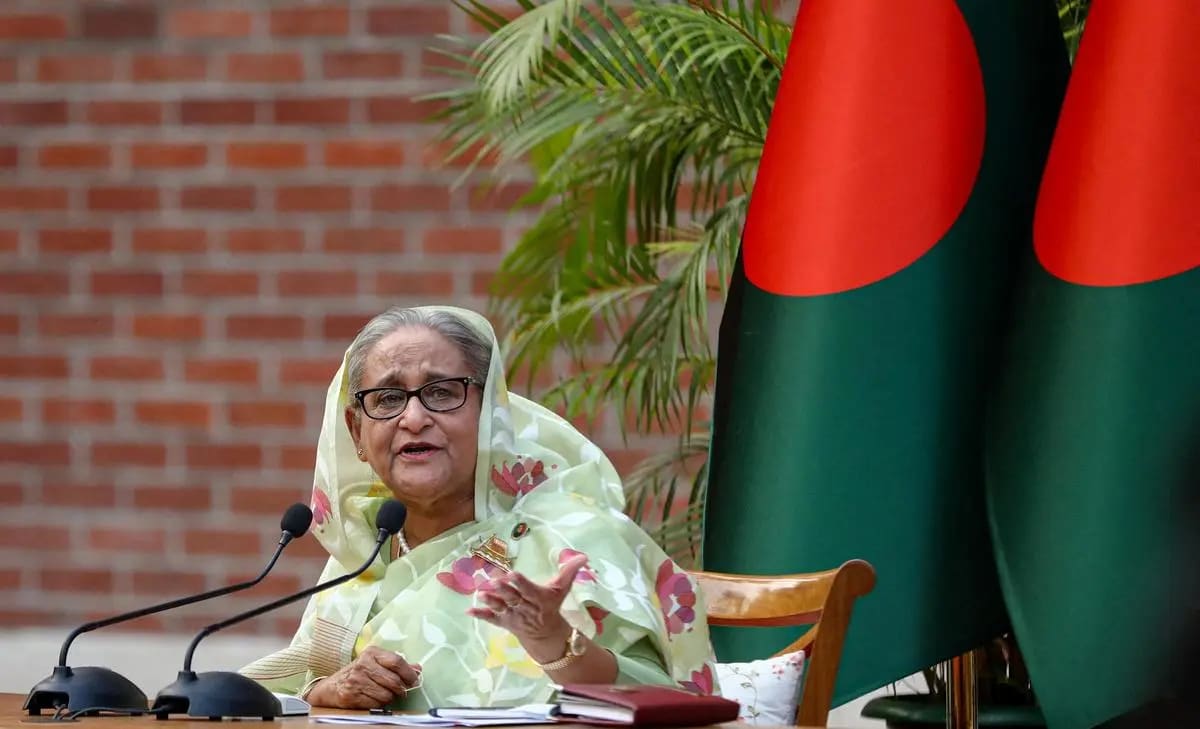
Bangladesh Prime Minister Sheikh Hasina has expressed serious concerns regarding her safety and the political climate as she prepares to return to the country in December. In a recent statement, she highlighted potential threats including violence, arrests, and torture that could be faced by her and her allies upon her arrival.
Political Tensions in Bangladesh
The political landscape in Bangladesh has been fraught with tension, particularly in the lead-up to upcoming elections. Hasina's party, the Awami League, has faced increasing opposition from rival groups, notably the Bangladesh Nationalist Party (BNP), which has accused the government of authoritarianism and suppressing dissent.
Hasina's comments reflect her awareness of the volatile situation as the opposition ramps up its activities. The BNP has a significant history of mobilizing protests and demonstrations, which often result in clashes with law enforcement. This has created a charged atmosphere that raises concerns about the safety of political figures.
Concerns Over Safety
In her address, Hasina did not shy away from acknowledging the past incidents of violence against political leaders and supporters in Bangladesh. She cited examples of political killings and the imprisonment of opposition activists, which could potentially escalate during this politically sensitive period. With the upcoming elections expected to be highly contested, the risks of retaliatory actions from both sides of the political spectrum are elevated.
Hasina's fears are compounded by the broader context of political violence that has plagued Bangladesh for decades. The country has witnessed numerous incidents where political activists have been targeted, leading to a climate of fear and uncertainty. This historical backdrop plays a crucial role in shaping the current political discourse.
International Reactions and Implications
The international community has been closely monitoring the situation in Bangladesh, particularly in light of potential human rights abuses. Several human rights organizations have raised alarms regarding the treatment of political dissidents and the freedom of expression in the country.
As Hasina prepares for her return, there are expectations of increased scrutiny from foreign governments and organizations, which may influence Bangladesh's political dynamics. The Prime Minister's safety concerns could also affect international perceptions of the country's stability and governance.
Looking Ahead
As December approaches, the political environment in Bangladesh remains uncertain. Hasina's warning about risks associated with her return underscores the challenges that political leaders face in navigating a divided political landscape. The upcoming weeks will likely see intensified campaigning and political maneuvering from all parties involved.
Moreover, the potential for violence or unrest could prompt security measures from the government to ensure the safety of not only political leaders but also the general populace. With the stakes high, both the Awami League and the BNP will need to tread carefully to avoid exacerbating tensions.
Inference
Sheikh Hasina's acknowledgment of the risks surrounding her return to Bangladesh highlights the ongoing struggles within the nation's political framework. It raises important questions about the future of democracy and governance in the country as various actors vie for power amidst a backdrop of fear and uncertainty.
Comments (0)
Be the first to comment!