
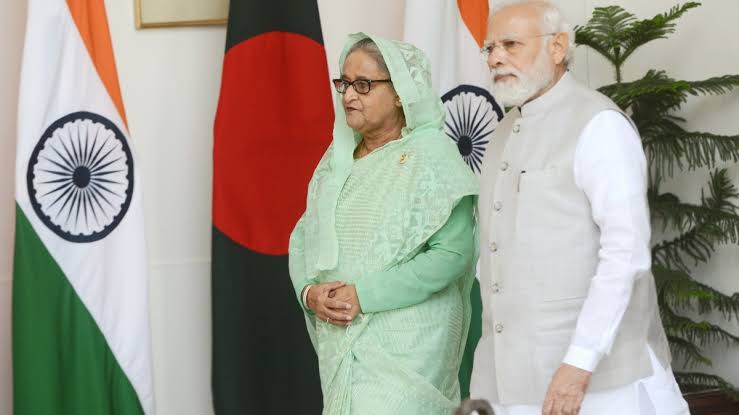
Introduction
Sheikh Hasina, the Prime Minister of Bangladesh, has been a pivotal figure in shaping the country's foreign relations, particularly with India. Under her leadership, Bangladesh has seen significant economic growth and development, but this has also come with challenges and dilemmas regarding its diplomatic ties with neighboring India.
Background of Bangladesh-India Relations
The relationship between Bangladesh and India has historically been complex, influenced by a shared history, culture, and geopolitical considerations. Since Bangladesh's independence in 1971, the two nations have navigated cooperation in various areas, including trade, security, and water resources. However, the ties have been tested by issues such as border management, illegal migration, and differing political ideologies.
Sheikh Hasina's Tenure
Sheikh Hasina has been in office for over a decade, making her one of the longest-serving leaders in the region. Her government has emphasized economic development, which has led to improved infrastructure and social services in Bangladesh. This growth has necessitated stronger ties with India, especially in areas like energy and trade. Under her leadership, Bangladesh signed several agreements with India aimed at enhancing cooperation, including the landmark 2016 agreement on the sharing of the Teesta River waters, although its implementation remains unresolved.
Current Dilemmas in Diplomacy
Despite the positive aspects of their relationship, Sheikh Hasina faces a diplomatic dilemma. On one hand, she must continue fostering strong ties with India to ensure economic benefits and regional stability. On the other hand, there are growing domestic pressures and nationalistic sentiments that challenge the depth of this relationship. Concerns about sovereignty, security, and cultural identity are gaining traction among certain political factions and the public.
One of the significant points of contention is the issue of illegal migration from Bangladesh to India, which has been a source of tension. Indian concerns about security and demographic changes in border states have led to calls for stricter border management, which could potentially strain diplomatic relations.
Impact of Regional Politics
The broader regional political landscape also plays a crucial role in shaping Bangladesh-India ties. The rise of nationalist sentiments in both countries can complicate diplomatic efforts. In India, the ruling party's emphasis on Hindu nationalism sometimes creates friction with Bangladesh, where a Muslim majority exists. Conversely, Sheikh Hasina's government must navigate these sentiments while maintaining a pragmatic approach to diplomacy.
Looking Ahead
As Sheikh Hasina continues her tenure, the future of Bangladesh-India relations will depend on her ability to balance these competing interests. Strengthening economic ties, addressing security concerns, and ensuring mutual respect for sovereignty will be critical. Both nations have much to gain from a cooperative relationship, but navigating the complexities of domestic politics and regional dynamics will be essential in the coming years.
Comments (0)
Be the first to comment!