
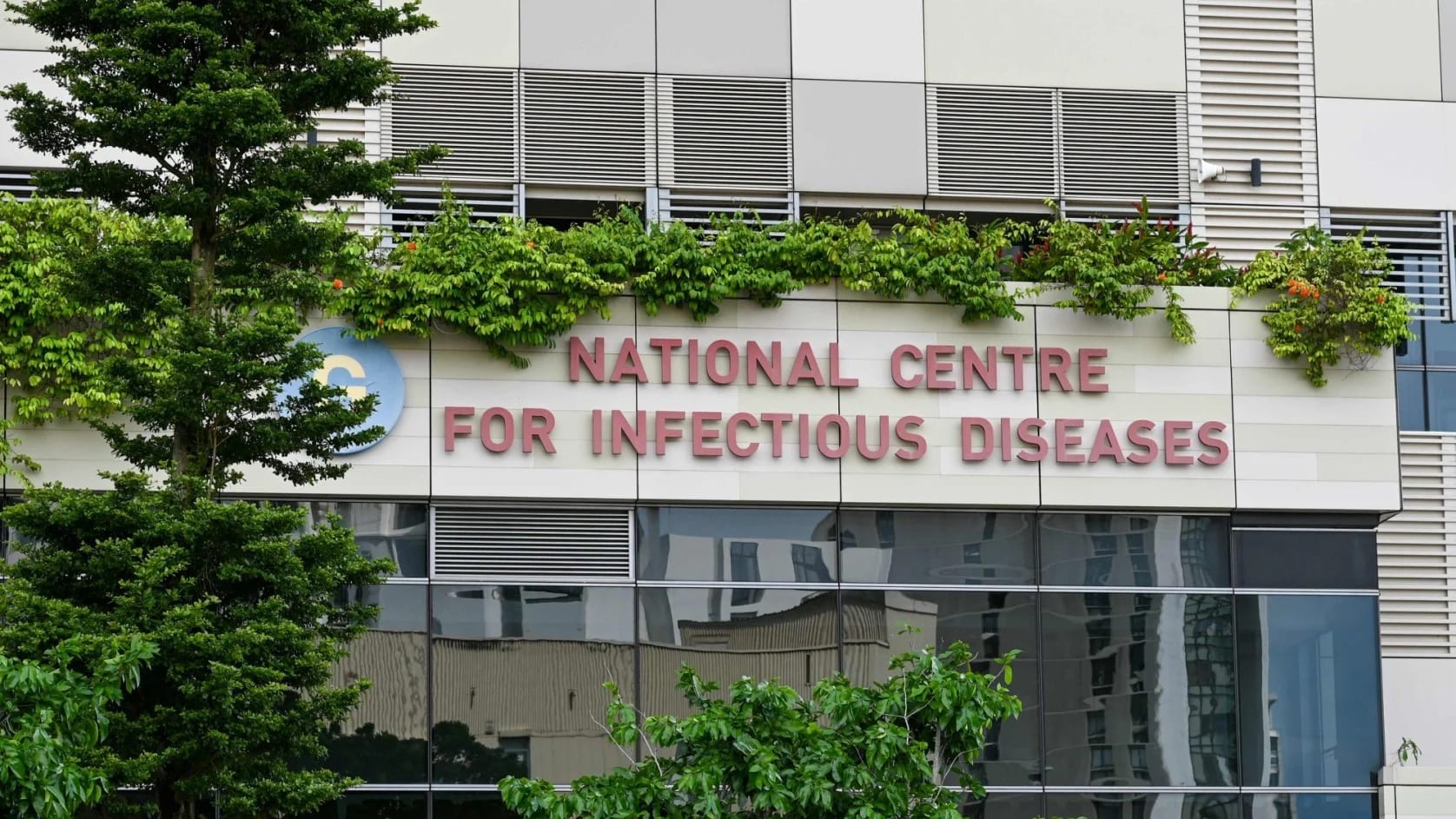
In a proactive measure to safeguard public health, Singapore has announced an increase in surveillance efforts targeting three potentially lethal infectious diseases. This decision comes in light of recent global health trends and local health assessments that emphasize the need for heightened vigilance.
Diseases Under Surveillance
The three diseases that have drawn the attention of Singaporean health authorities are Avian Influenza, Monkeypox, and Hantavirus. Each of these diseases poses significant risks, and their potential for outbreaks necessitates rigorous monitoring.
Rationale Behind the Increased Surveillance
Health officials in Singapore have cited the increasing global incidence of these diseases as a primary reason for this intensified surveillance. The emergence of new variants and the unpredictable nature of infectious diseases have compelled authorities to adopt a more vigilant stance.
Avian Influenza, commonly known as bird flu, has been a recurring concern, especially with its capacity to jump from animals to humans. Recent outbreaks in various parts of the world have raised alarms about the potential for a resurgence.
Similarly, Monkeypox, which has seen a spike in cases globally, particularly post-2022, has led health experts to reconsider its risk level. The disease can spread through close contact and has shown an ability to affect various populations.
Hantavirus, primarily transmitted through rodent droppings, has also been a concern, albeit less prevalent. Nonetheless, the potential for outbreaks during certain seasons necessitates ongoing monitoring.
Implementation of Surveillance Measures
The surveillance strategy will involve multiple facets, including:
Enhanced Reporting: Healthcare providers will be required to report suspected cases more rigorously.
Public Awareness Campaigns: The government plans to launch initiatives aimed at educating the public about the symptoms and preventive measures associated with these diseases.
Collaboration with International Bodies: Singapore will work closely with global health organizations to share data and best practices.
Authorities believe that these measures will not only help in early detection but also in efficiently containing any potential outbreaks.
Public Response and Concerns
The announcement has prompted a mixed response from the public. While many residents appreciate the government's proactive stance, others have expressed concerns about the implications of heightened surveillance on daily life.
Public health experts have emphasized the importance of maintaining transparency during this process. They urge the government to keep citizens informed about the nature of the threats and the steps being taken to mitigate them.
Looking Ahead
As Singapore continues to navigate the complexities of infectious disease management, the focus remains on maintaining a balance between public safety and the normalcy of daily life. The government is expected to review the effectiveness of these surveillance measures periodically, adapting them as necessary based on evolving circumstances.
Health experts are optimistic that with these enhanced surveillance protocols, Singapore can better protect its citizens from the risks posed by these infectious diseases.
Inference
Singapore's decision to ramp up surveillance of Avian Influenza, Monkeypox, and Hantavirus underscores the importance of preparedness in public health. By taking decisive action now, the city-state aims to mitigate risks and safeguard the health of its population.
Comments (0)
Be the first to comment!