
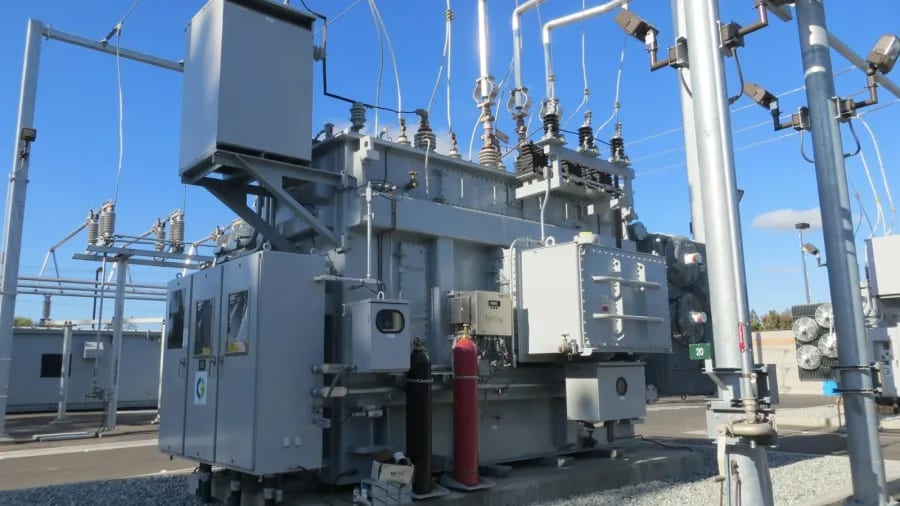
The demand for transformers in the Asia-Pacific (APAC) region is experiencing a significant increase, largely fueled by ongoing infrastructure upgrades in major economies such as China and India. As both countries invest heavily in modernizing their power grids, the transformer market is witnessing unprecedented growth, with projections indicating a robust future for this critical component of electrical infrastructure.
Infrastructure Investment in China and India
China and India, two of the largest economies in Asia, are currently engaged in extensive infrastructure projects aimed at enhancing their electrical distribution networks. China's commitment to achieving carbon neutrality by 2060 has led to substantial investments in renewable energy sources and smart grid technologies. Similarly, India's push for reliable electricity access and sustainable energy solutions has driven a wave of modernization efforts across its power sector.
As these countries upgrade their electrical grids, the demand for transformers—vital for regulating voltage and ensuring efficient power distribution—has surged. This increase is expected to continue as both nations expand their renewable energy capacities and improve grid resilience against natural disasters and other disruptions.
Market Growth and Opportunities
The transformer market in the APAC region is projected to grow significantly in the coming years. Analysts suggest that the rise in demand is not only due to the upgrades in China and India but also influenced by a growing trend toward urbanization and industrialization across various other countries in the region. With more cities expanding and industries ramping up production, the requirement for robust electrical infrastructure becomes increasingly critical.
China is focusing on integrating renewable energy sources into its grid.
India aims to achieve 24/7 power supply to all its citizens.
Urbanization in Southeast Asian nations is also driving demand for reliable electricity.
Technological Advancements and Sustainability
Another factor contributing to the rising transformer demand is the technological advancements in transformer design and manufacturing. Modern transformers are now more efficient, capable of handling higher loads and reducing energy losses. Innovations such as smart transformers and digital monitoring systems are also emerging, providing utilities with better tools for managing their electrical grids.
Additionally, sustainability is a key focus area. Manufacturers are increasingly adopting eco-friendly practices in the production of transformers, including the use of recyclable materials and designs that minimize environmental impact. This aligns with the global shift towards greener energy solutions, as governments and corporations seek to reduce their carbon footprints.
The Role of Policy and Government Initiatives
Government policies in both China and India are crucial in shaping the transformer market landscape. Initiatives aimed at enhancing energy efficiency, promoting renewable energy projects, and reducing greenhouse gas emissions create a favorable environment for transformer manufacturers. In India, the government's push for the 'Atmanirbhar Bharat' (self-reliant India) initiative further encourages local production of transformers, reducing dependency on imports.
China's policies also support investments in smart grid technologies, which incorporate advanced transformers capable of supporting renewable energy integration. These strategic moves not only bolster the domestic transformer market but also enhance the overall energy infrastructure in both countries.
Comments (0)
Be the first to comment!