
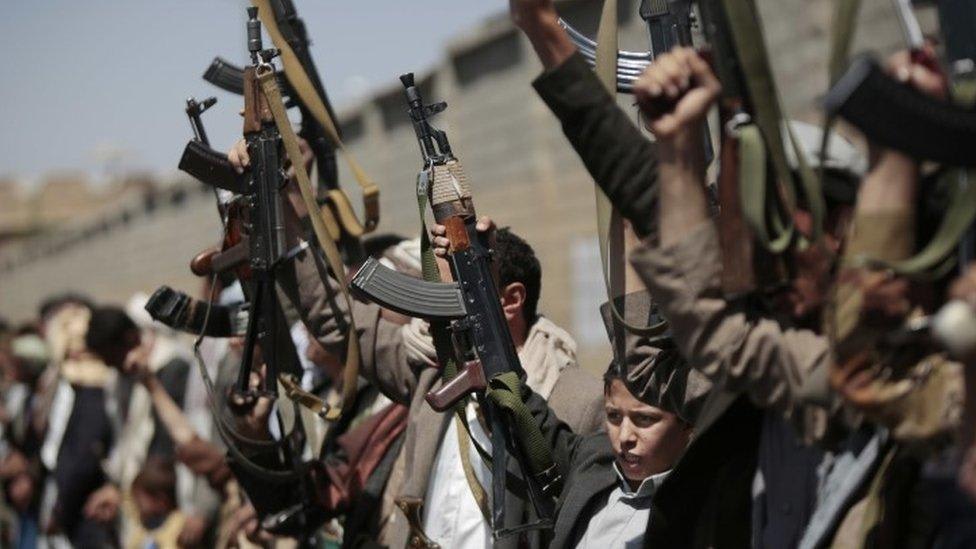
The conflict in Yemen, now in its eighth year, continues to experience significant upheaval as the political settlement between Saudi Arabia and the Houthi movement appears increasingly fragile. Various recent developments have raised concerns about the stability of the ceasefire and the ongoing peace negotiations, which were initially seen as a hopeful resolution to the protracted conflict.
Background of the Yemen Conflict
The Yemen conflict began in 2014 when the Houthis, a Shiite rebel group, seized control of the capital, Sana'a, prompting a military intervention by a coalition led by Saudi Arabia in 2015. The war has since evolved into a multifaceted crisis, with humanitarian implications affecting millions of Yemenis. Despite various attempts at peace negotiations, a lasting resolution has remained elusive.
Recent Developments in the Peace Process
In recent months, the political dialogue between Saudi Arabia and the Houthis has experienced significant strain. While the two parties entered discussions aimed at reaching a comprehensive peace agreement, differences in their objectives and demands have surfaced, leading to renewed tensions.
Reports indicate that the Houthis have expressed dissatisfaction with the pace of negotiations and the lack of concrete outcomes. Meanwhile, Saudi Arabia has been under pressure to ensure its security and restore stability in the region, complicating the dialogue further. This deadlock has raised fears of a return to violence, which could exacerbate the already dire humanitarian situation in Yemen.
Humanitarian Crisis Escalates
The ongoing conflict has led to one of the world's most severe humanitarian crises, with millions facing food insecurity, displacement, and lack of access to essential services. As discussions between the Saudi government and the Houthis stall, humanitarian organizations warn that the situation could deteriorate further.
Access to aid remains a critical issue as blockades and ongoing fighting hinder efforts to deliver assistance to those in need. The fragile ceasefire that has been in place since late 2021 is at risk of collapse, which would likely lead to an escalation in hostilities and further suffering for the civilian population.
International Community's Role
The international community has been closely monitoring the developments in Yemen, with various countries and organizations advocating for renewed efforts toward peace. The United Nations has emphasized the importance of dialogue and urged both parties to prioritize negotiations over military actions.
Efforts to mediate the conflict have included participation from regional powers and international stakeholders. However, the lack of consensus on key issues, such as the future governance of Yemen and the disarmament of militias, has made progress challenging.
Future Prospects
As the situation in Yemen unfolds, the prospects for a sustainable political settlement remain uncertain. The interplay of local, regional, and international dynamics will be crucial in determining the future of peace talks. Both the Saudi-led coalition and the Houthis must navigate their internal pressures while responding to external calls for resolution.
Analysts suggest that without significant concessions from both sides, the possibility of a comprehensive peace agreement remains dim. The humanitarian crisis continues to be a pressing concern, making it imperative for all parties involved to seek a viable pathway to peace that prioritizes the welfare of the Yemeni people.
Inference
The political settlement between Saudi Arabia and the Houthis is at a critical juncture, with rising tensions threatening the fragile ceasefire and ongoing negotiations. The international community must remain engaged and supportive of efforts to foster dialogue, as the need for peace in Yemen is more urgent than ever.
Comments (0)
Be the first to comment!