
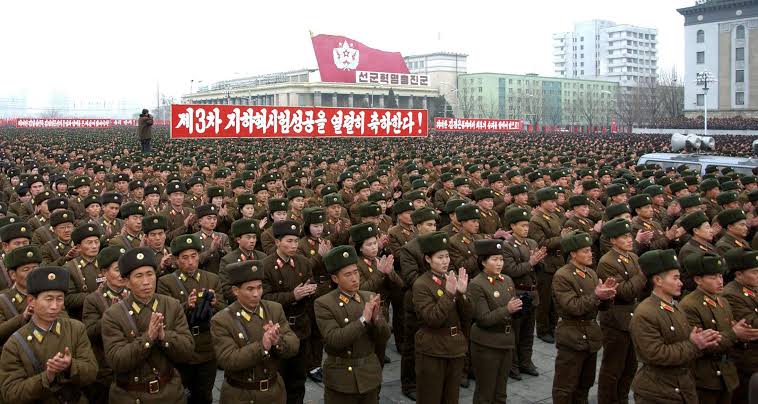
North Korea has increasingly become a focal point of concern for the international community, particularly due to its nuclear ambitions and provocative military activities. Over recent years, the regime, led by Kim Jong-un, has made significant strides in its weapons programs, raising alarms among neighboring countries and global powers alike.
Nuclear Program Developments
North Korea’s nuclear program has seen rapid advancements, with the nation successfully conducting multiple missile tests that demonstrate its growing capabilities. The country’s claims of developing intercontinental ballistic missiles (ICBMs) capable of reaching the United States have heightened fears of a potential military confrontation. Analysts assert that these developments not only threaten regional stability but also challenge international norms regarding nuclear proliferation.
International Response
The international response to North Korea’s actions has been varied but largely characterized by a combination of sanctions, diplomatic efforts, and military readiness. The United Nations has imposed a series of sanctions aimed at crippling the North Korean economy, particularly its exports of coal, textiles, and seafood. However, enforcement of these sanctions remains inconsistent, with some countries reportedly continuing trade with Pyongyang.
Diplomatic efforts have also been attempted, most notably through the summits between Kim Jong-un and former U.S. President Donald Trump. Although these meetings garnered significant media attention, they ultimately failed to produce a lasting agreement on denuclearization. The stalled negotiations have left many wondering about the effectiveness of diplomacy in curbing North Korea’s ambitions.
Regional Implications
North Korea's actions have profound implications for regional security, particularly for South Korea and Japan. Both nations have ramped up their defense capabilities in response to the perceived threat from the North. South Korea has increased its military expenditures and sought to strengthen its alliance with the United States, while Japan has also begun to reconsider its pacifist stance regarding defense.
- Increased military drills and joint exercises between the U.S. and South Korea.
- Japan's efforts to develop more proactive defense strategies.
- Heightened public awareness and concern over the threat from North Korea.
The potential for miscalculation in the region is significant, with military confrontations posing risks that could escalate quickly. Analysts warn that the presence of advanced military technology in the region increases the chances of unintended consequences from provocative actions.
Humanitarian Concerns
Beyond the military threat, North Korea faces severe humanitarian issues. The country has been grappling with food shortages, exacerbated by economic sanctions and natural disasters. According to reports from various humanitarian organizations, millions of North Koreans are suffering from malnutrition and lack access to basic health services.
International aid efforts have been complicated by the regime's focus on military spending over civilian needs. While some countries advocate for humanitarian assistance to address the dire situation, the North Korean government often refuses external aid, viewing it as an infringement on its sovereignty.
The Path Forward
Moving forward, the international community faces the challenging task of balancing a firm stance on North Korea's military provocations while addressing the humanitarian crises faced by its people. This dual approach may require innovative diplomatic strategies that engage North Korea in dialogue without compromising on denuclearization goals.
Ultimately, the situation in North Korea remains fluid and complex, necessitating a coordinated global effort to tackle both security and humanitarian challenges. As the world watches, the effectiveness of these strategies will be crucial in shaping the future of peace and stability in the region.
Comments (0)
Be the first to comment!