
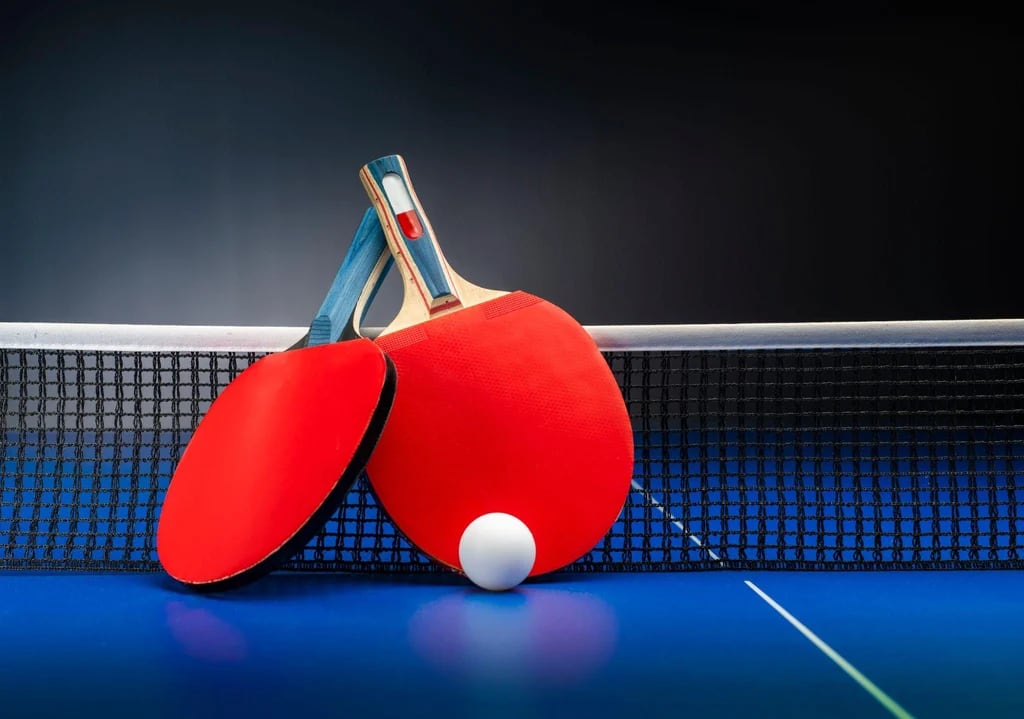
Introduction to Ping-Pong Diplomacy
Ping-Pong Diplomacy refers to the unexpected thawing of relations between the United States and China in the early 1970s, primarily through the exchange of table tennis players. This unique approach to diplomacy has inspired various nations, including India and China, to explore similar avenues for fostering better ties. This article delves into the historical context and implications of Ping-Pong Diplomacy between India and China.
Historical Context
India and China have shared a complex relationship, characterized by both cooperation and conflict. The two nations were once allies during the 1950s, promoting the concept of Panchsheel, which emphasized peaceful coexistence. However, the Sino-Indian War of 1962 marked a significant turning point, leading to strained relations that persisted for decades. As both countries emerged as major global players, the need for effective communication and understanding became evident.
The Concept of Sports Diplomacy
Sports diplomacy is a powerful tool for nations to bridge gaps and build relationships. By engaging in sports, countries can create a platform for dialogue, mutual respect, and camaraderie. The success of Ping-Pong Diplomacy between the United States and China demonstrated how sports can transcend political barriers. Inspired by this, India and China have engaged in various sporting events to foster goodwill and enhance bilateral ties.
Past Initiatives Between India and China
In recent years, several initiatives have aimed to strengthen India-China relations through sports. The two countries have collaborated on events such as the Asian Games and the BRICS Games, which include table tennis as a competitive sport. These events not only showcase athletic talent but also provide opportunities for cultural exchange and dialogue among participants. Additionally, friendly matches and tournaments have been organized to promote cooperation and understanding.
Current Dynamics and Future Prospects
Despite historical tensions, the modern landscape of India-China relations presents opportunities for revitalization through sports. The two nations are increasingly recognizing the potential of sports diplomacy to address political and economic differences. Grassroots initiatives that promote youth engagement in sports can serve as a foundation for stronger bilateral ties.
Challenges to Overcome
While sports diplomacy holds promise, several challenges remain. Political tensions, territorial disputes, and economic competition still cast shadows over the relationship. Moreover, the differing political ideologies and governance systems complicate direct dialogue between the two nations. Nevertheless, fostering a sports culture can help build trust and facilitate constructive conversations.
Comments (0)
Be the first to comment!