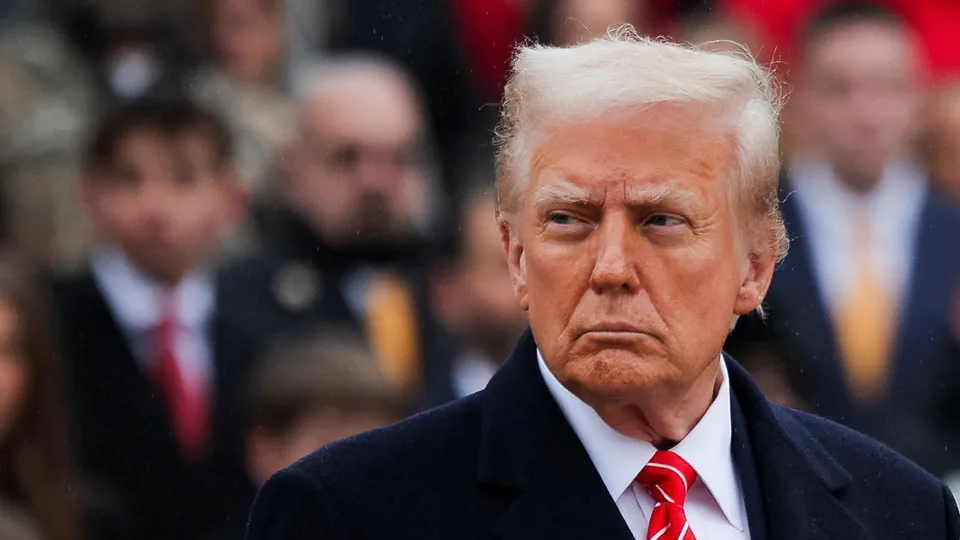
U.S. President Donald Trump is navigating a turbulent political period marked by legal setbacks, immigration battles, trade disputes, and rising international tensions. Several major developments over the past week have placed renewed scrutiny on Trump’s policies both at home and abroad.
One of the most significant developments came from a federal appeals court that ruled against Trump’s asylum restrictions at the U.S.-Mexico border. Judges determined that the administration exceeded presidential authority by broadly limiting asylum access through executive action. The ruling may reopen legal pathways for migrants seeking refuge in the United States and represents a major challenge to Trump’s immigration agenda. The administration has indicated it may pursue additional appeals.
Immigration policy is also at the center of another major legal battle currently before the U.S. Supreme Court. Trump’s legal team is defending efforts to terminate Temporary Protected Status (TPS) for migrants from countries facing humanitarian crises. The administration argues that federal courts should not interfere with immigration designations made by the executive branch. Critics say the case could impact over a million migrants and significantly reduce judicial oversight of immigration decisions. A ruling is expected later this year.
Trade policy remains another flashpoint for Trump’s presidency. Several recent legal disputes have questioned the legitimacy of broad tariff programs introduced under emergency powers. Courts have challenged whether Trump possessed the authority to impose large-scale import taxes without congressional approval. Legal battles surrounding tariffs continue to influence global markets and trade relationships, especially with Canada, Europe, and China. Trump has defended tariffs as necessary tools to protect American manufacturing and reduce trade deficits.
Internationally, Trump’s relationship with NATO allies has become increasingly strained. European leaders are reportedly preparing contingency defense strategies amid uncertainty about long-term U.S. commitments to the alliance. Trump has repeatedly criticized NATO members for defense spending levels and has pressured allies to increase military contributions. Diplomatic concerns have grown after comments suggesting potential policy shifts toward European security cooperation.
Meanwhile, Trump confirmed plans to discuss NATO, Iran, and digital taxation policies with King Charles during an upcoming diplomatic visit tied to the 250th anniversary of American independence. The meeting comes at a time of unusually tense U.S.-U.K. relations, with disagreements over military policy and trade taxes contributing to friction between the two governments. Despite political disagreements, Trump described his relationship with the British monarch as positive.
Political analysts say Trump’s current position reflects the complex balancing act between legal authority, economic nationalism, and foreign policy leadership. Supporters argue his administration remains committed to border security, trade protection, and stronger negotiation tactics with allies. Critics contend the growing number of court challenges suggests executive overreach.
As multiple legal cases move through federal courts and international relationships evolve, Trump’s presidency faces a critical period that could shape both domestic policy and America’s global role in the months ahead.
Comments (0)
Be the first to comment!