
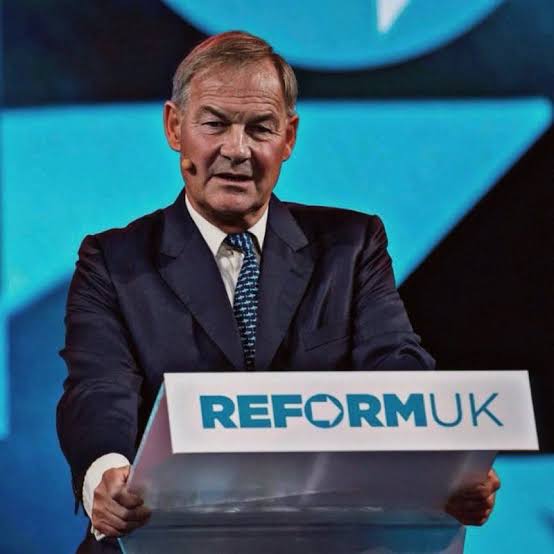
In a significant political statement, British MP Rupert Low has announced a proposal that could fundamentally reshape immigration policies in the United Kingdom. The proposal suggests a complete cessation of immigration from what are classified as 'third-world' countries, including Pakistan. This announcement has sparked a debate about the implications of such a policy on the UK’s demographic landscape, economy, and international relations.
Understanding the Proposal
The proposed immigration ban targets countries often characterized by lower economic development. Rupert Low, representing a growing sentiment among certain political factions in the UK, argues that restricting immigration from these nations is essential for protecting local jobs and resources. While the specifics of the plan have yet to be detailed, the overarching idea reflects a trend toward more stringent immigration controls.
Context of Immigration in the UK
The UK has a long history of immigration, with individuals from various countries contributing to its cultural and economic fabric. Over the years, immigration policies have evolved, with various governments imposing different levels of restrictions based on political, economic, and social factors. The proposed policy by MP Low comes at a time when immigration remains a contentious issue in British politics, especially following Brexit.
Brexit has shifted the immigration landscape significantly, with the UK aiming to establish a more controlled immigration system. The introduction of new regulations has already made it more challenging for individuals from non-European Union countries to settle in the UK. Low’s recent statement further emphasizes this shift, suggesting a move towards an even more restrictive approach.
Potential Implications of the Proposal
Ending immigration from developing countries could have wide-ranging effects on the UK. Economically, many sectors rely on skilled and unskilled labor from these nations. Industries such as healthcare, where foreign professionals play a crucial role, could face significant shortages. Additionally, the proposal raises questions about the humanitarian implications of such a drastic measure, especially in relation to asylum seekers and refugees fleeing conflict and poverty.
Critics of the proposal argue that it could isolate the UK on the international stage and damage relationships with countries that are key allies. Moreover, there are concerns about the ethical implications of denying opportunities to individuals seeking a better life in the UK.
Public and Political Reactions
The announcement has garnered mixed reactions. Some segments of the British public and certain political factions support the measure, viewing it as a necessary step towards prioritizing national interests. However, human rights advocates, immigration experts, and many community leaders have condemned the proposal as regressive and harmful.
Organizations that focus on immigration and refugee rights have raised alarms about the potential consequences for those who would be affected by such a policy. The debate is likely to continue as stakeholders from various sectors weigh in on the proposal's feasibility and morality.
The Road Ahead
As discussions surrounding this proposal unfold, it will be crucial to monitor the responses from both the government and the public. The implications of such a policy could be far-reaching, not only affecting immigration patterns but also shaping the societal fabric of the UK.
Future political debates will likely center on finding a balance between national interests and international responsibilities. The UK’s immigration policies may soon come under scrutiny as they adapt to the changing political climate and public opinion.
In conclusion, Rupert Low's proposal to end immigration from developing countries, including Pakistan, marks a pivotal moment in UK politics, prompting necessary discussions on immigration, economy, and ethics.
Comments (0)
Be the first to comment!