
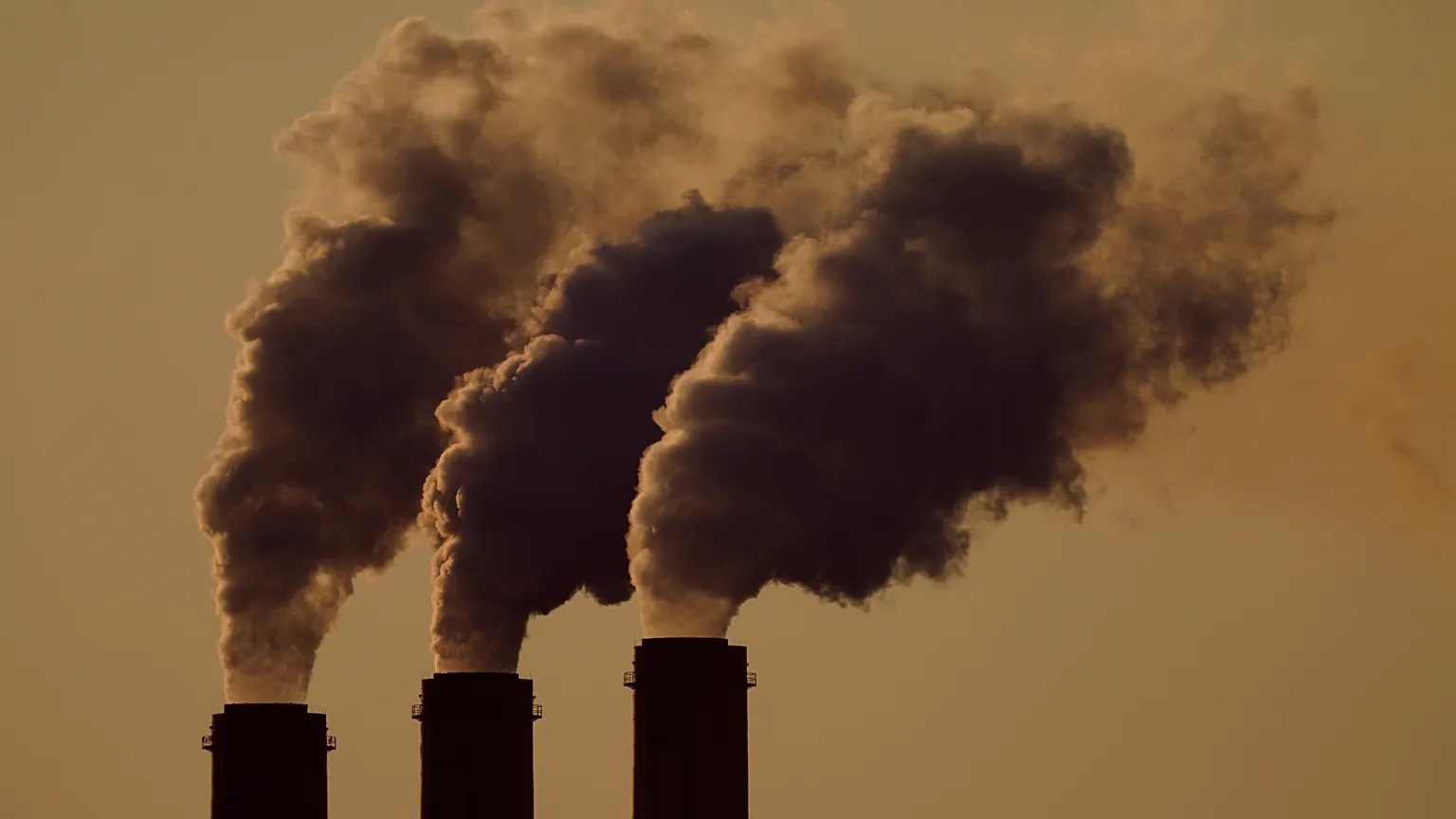
The United Nations has issued a stark warning to the global community, emphasizing the urgent need for a significant reduction in greenhouse gas emissions. According to a recent report, the world must cut emissions by 18% within the next four years to effectively address the accelerating climate crisis and chart a sustainable path forward.
Emissions Reduction: A Global Imperative
The UN's call for an 18% reduction is based on the escalating impacts of climate change, which have become increasingly evident through extreme weather events, rising sea levels, and biodiversity loss. The report highlights that without immediate and substantial action, the world risks exceeding critical temperature thresholds that could lead to irreversible damage to ecosystems and human livelihoods.
Current Emission Trends
Despite previous commitments made under international agreements such as the Paris Accord, global emissions have continued to rise. The report attributes this trend to several factors, including increased industrial activity, reliance on fossil fuels, and a lack of political will in some regions to implement effective climate policies. The UN stresses that to meet the 1.5-degree Celsius target set in the Paris Agreement, transformative changes are essential.
The Path Forward
The UN's report outlines several strategies that nations can adopt to achieve the necessary emissions cuts. These include:
Transitioning to Renewable Energy: Accelerating the shift from fossil fuels to renewable sources like solar, wind, and hydroelectric power.
Enhancing Energy Efficiency: Implementing stricter energy efficiency standards across industries and promoting energy-saving technologies.
Investing in Carbon Capture: Developing and deploying carbon capture and storage technologies to reduce emissions from existing fossil fuel infrastructure.
Promoting Sustainable Agriculture: Encouraging farming practices that reduce emissions and enhance carbon sequestration in soil.
Global Cooperation and Commitment
For these strategies to be effective, the UN emphasizes the necessity of global cooperation. Countries need to engage in collective action, sharing technology and resources, and ensuring that developing nations receive the support they need to transition to greener economies. The report calls for enhanced commitments during upcoming international climate conferences, highlighting the role of both government and private sectors in driving change.
The Role of Individuals and Communities
While governmental action is crucial, individuals and communities also play a vital role in reducing emissions. The UN encourages citizens to adopt more sustainable lifestyles, such as reducing waste, using public transportation, and supporting eco-friendly products. Grassroots movements can significantly influence political agendas and corporate practices.
Inference
The UN's urgent call for an 18% reduction in emissions within the next four years serves as a critical reminder of the time sensitivity of climate action. As the impacts of climate change become increasingly severe, the need for immediate and effective responses cannot be overstated. The future of the planet depends on decisive action today.
Comments (0)
Be the first to comment!