
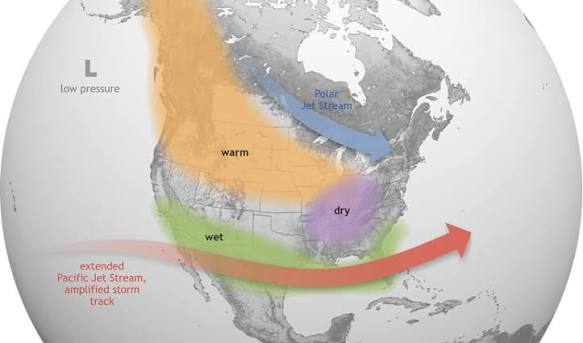
El Niño, a recurring climatic phenomenon, significantly influences weather patterns across the globe. This complex interaction between ocean and atmosphere can lead to drastic changes in temperature and precipitation, affecting ecosystems and human activities. Here, we explore five key ways El Niño is reshaping weather conditions worldwide.
1. Altered Rainfall Patterns
One of the most notable impacts of El Niño is its effect on rainfall distribution. Regions that typically experience abundant rainfall may see a decrease, while areas that are usually dry can face intense downpours. For example, during El Niño events, the western coast of South America often experiences heavy rainfall, leading to flooding and landslides, while parts of Southeast Asia and Australia may encounter drought conditions.
2. Increased Storm Activity
El Niño is linked to an uptick in tropical storm activity in certain parts of the world. The warmer ocean waters can provide the necessary energy for storms to develop. In the Atlantic, El Niño tends to suppress hurricane formation, while the Pacific often sees a rise in typhoon activity. This discrepancy can have serious implications for regions vulnerable to severe weather.
3. Temperature Extremes
During El Niño, global temperatures often rise due to the increased heat released from the ocean. This warming can lead to record high temperatures in various regions, contributing to heatwaves. Countries in the northern hemisphere, such as the United States, may experience unusually warm winters, impacting agriculture and energy consumption.
4. Disruption of Ecosystems
The effects of El Niño extend beyond immediate weather changes; they can significantly disrupt ecosystems. Marine life, in particular, can be affected as warmer ocean temperatures alter habitats and food availability. For instance, fisheries may suffer due to reduced fish populations, as species migrate to cooler waters, affecting local economies dependent on fishing.
5. Humanitarian Challenges
The weather extremes brought about by El Niño can lead to humanitarian crises. Droughts can cause water shortages and food insecurity, while floods can displace communities and damage infrastructure. Governments and aid organizations often need to respond swiftly to mitigate the impacts on vulnerable populations, emphasizing the importance of preparedness in the face of this climate phenomenon.
Inference
El Niño is a powerful driver of climate variability that shapes weather patterns globally. Understanding its mechanisms and effects is crucial for anticipating and managing the associated risks. As climate science continues to evolve, further research on El Niño's influence will be vital for adaptation strategies in affected regions.
Comments (0)
Be the first to comment!