
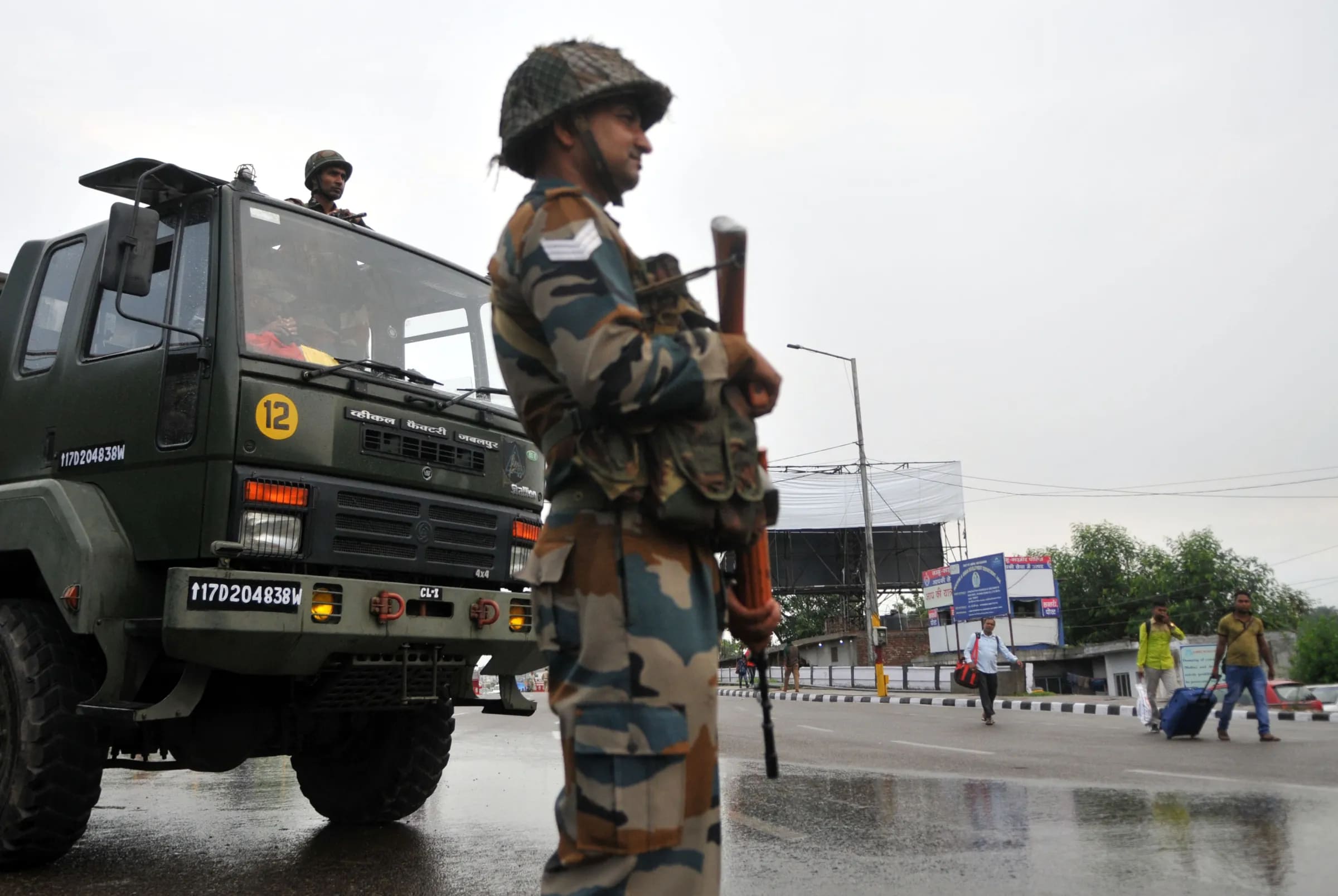
The political landscape of Kashmir has been shaped by a myriad of historical, social, and economic factors that continue to influence the region's governance and power dynamics. The complexities of Kashmir's politics are not just a reflection of local issues but are deeply intertwined with national and international interests.
Historical Context
The roots of Kashmir's political situation can be traced back to the partition of India in 1947, which led to a contentious dispute between India and Pakistan over the territory. The princely state of Jammu and Kashmir, ruled by Maharaja Hari Singh at the time, became a focal point of this conflict when the Maharaja opted to accede to India after an invasion by tribal militias from Pakistan.
This historical decision has led to decades of conflict, insurgency, and military presence in the region, creating a unique political environment that is marked by a struggle for self-determination, national identity, and human rights.
Current Political Landscape
Today, the politics of Kashmir is characterized by a fragmented political landscape. Various political parties, including the Jammu and Kashmir National Conference (NC), the Peoples Democratic Party (PDP), and others, vie for power within the region. Each party brings its own vision for governance, economic development, and social justice, often influenced by the overarching themes of nationalism and autonomy.
In recent years, the political scenario has seen a significant shift following the abrogation of Article 370 in August 2019, which granted special status to Jammu and Kashmir. This move was met with both support and opposition, leading to further polarization in political opinions. Critics argue that the abrogation undermined the region's autonomy, while supporters claim it paves the way for greater integration with the rest of India.
Role of External Influences
The political dynamics in Kashmir are also heavily influenced by external factors. The involvement of Pakistan, which continues to assert its claim over the region, adds another layer of complexity. International actors, including the United Nations, have occasionally intervened, advocating for dialogues and resolutions, but a lasting solution remains elusive.
The global narrative surrounding Kashmir often emphasizes human rights concerns, with various organizations documenting incidents of violence, oppression, and civil rights violations. These reports impact international perception and can influence diplomatic relations, making Kashmir a significant point of contention in Indo-Pak relations.
Challenges and Opportunities
The challenges facing Kashmir today are immense. Economic development, youth unemployment, and the need for reconciliation between various communities are pressing issues that require urgent attention. The political environment is often tense, with protests and unrest occurring sporadically, reflecting the dissatisfaction of the populace.
However, opportunities also exist for a more inclusive political dialogue that addresses the aspirations of the people of Kashmir. Engaging local communities in governance processes, improving economic conditions, and fostering inter-community relations can pave the way for a more stable and prosperous future.
Inference
The politics of Kashmir is a multi-faceted issue that requires a nuanced understanding of its historical background, current political dynamics, and the role of external influences. As the region navigates its challenges, the potential for constructive dialogue and development remains critical for achieving peace and stability.
Comments (0)
Be the first to comment!