
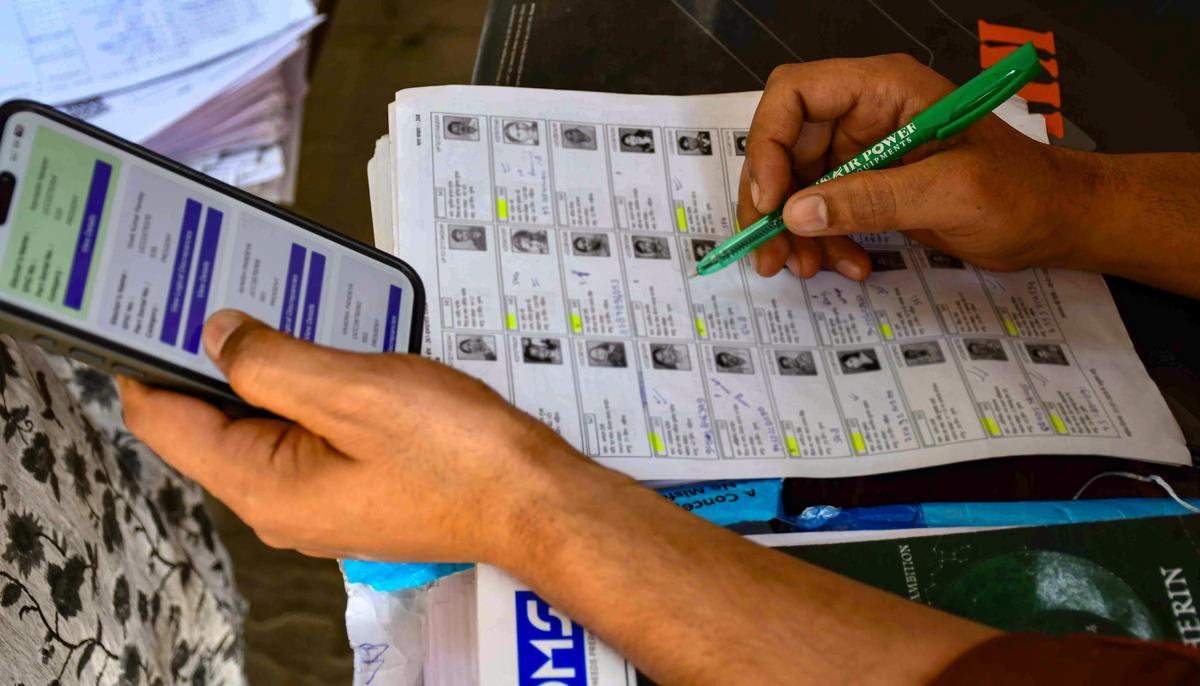
The United States Commission on International Religious Freedom (USCIRF) has raised alarms regarding recent voter roll revisions in India, suggesting that these changes disproportionately target minority communities. The panel's findings have sparked significant debate regarding the implications of such electoral processes in a nation renowned for its democratic values.
USCIRF's Concerns
In its latest report, the USCIRF asserts that the modifications to the voter rolls in India may lead to the disenfranchisement of various minority groups. This assertion comes amid a broader context of political tensions in the country, where accusations of marginalizing religious and ethnic minorities have been prevalent.
Background on Voter Roll Revisions
Voter roll revisions are a regular part of the electoral process in India, aimed at updating and maintaining accurate records of eligible voters. However, the recent alterations have been criticized for lacking transparency and being executed without adequate consultation with affected communities. Critics argue that such practices could undermine the electoral rights of minorities, particularly Muslims and other marginalized groups.
Political Context
The accusations of targeting minorities are set against a backdrop of increasing polarization in Indian society. Various political analysts point to the rise of nationalist rhetoric and policies that they argue have contributed to an environment where minorities feel threatened. The USCIRF's report echoes concerns expressed by several human rights organizations that have documented the impact of such policies on the social fabric of India.
Responses from Indian Authorities
In response to the USCIRF's claims, Indian officials have defended the integrity of the electoral process, asserting that voter roll revisions are conducted in accordance with established laws and procedures. They emphasize that these efforts are intended to improve the accuracy of voter lists and do not discriminate against any particular community.
International Reactions
The USCIRF's report has drawn attention not only from within India but also from international observers and human rights advocates. Many are calling for greater scrutiny of India's electoral practices, urging the government to ensure that all citizens, regardless of their background, have equal access to the democratic process.
Religious Freedom
The issue of religious freedom remains a critical point of discussion in the global arena. The USCIRF is tasked with monitoring the state of religious freedom worldwide and providing recommendations to the U.S. government. Their recent findings regarding India highlight the ongoing challenges faced by religious minorities in asserting their rights within a complex socio-political landscape.
The implications of these voter roll revisions could extend beyond the immediate electoral landscape. If minority groups feel disenfranchised, it could lead to broader social unrest and a weakening of democratic institutions. As India approaches future elections, the need for inclusive practices that uphold the rights of all citizens will be more critical than ever.
Comments (0)
Be the first to comment!