
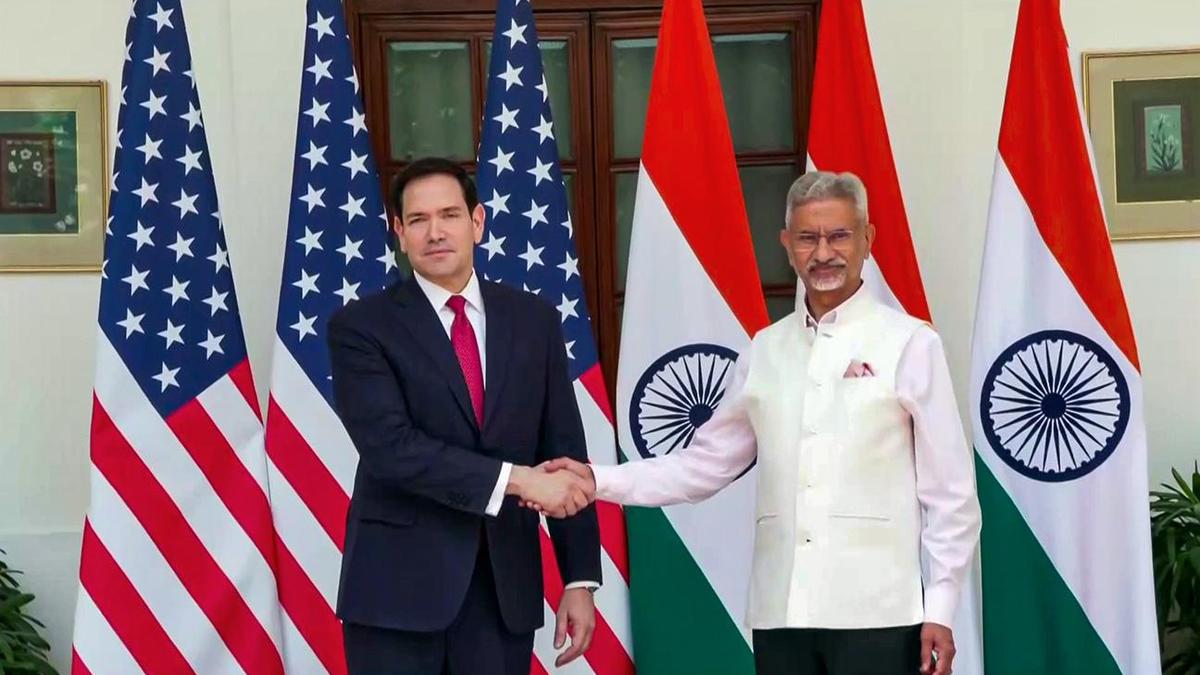
U.S. Secretary of State Rubio is set to embark on a significant visit to India next week, focusing on crucial energy discussions amid shifting global dynamics. This visit underscores the importance of U.S.-India relations, particularly in the context of energy security and cooperation.
Context of the Visit
As the world grapples with energy challenges, the United States and India are looking to strengthen their partnership in this sector. The visit comes in the wake of increasing energy demands in India, coupled with the U.S. aim to enhance its energy exports and technological collaboration with key allies.
Planned Itinerary
While the specific details of Secretary Rubio's itinerary have not been fully disclosed, it is reported that a visit to Jamnagar, home to one of the largest oil refineries in the world, is on the agenda. Jamnagar, located in Gujarat, is a pivotal location for energy discussions, given its significant role in oil refining and energy production.
Significance of Energy Talks
The discussions are expected to cover a wide range of topics, including renewable energy, oil and gas, and the importance of sustainable practices. Energy cooperation between the U.S. and India could lead to enhanced investments, technology transfers, and joint ventures in the energy sector.
Broader Implications for U.S.-India Relations
This visit is a reflection of the growing strategic partnership between the U.S. and India, particularly in the Indo-Pacific region. Energy security is a crucial aspect of this partnership, especially as both nations look to counterbalance the influence of other powers in the region.
In recent years, India has emerged as a key player in the global energy market, with its increasing reliance on energy imports and a strong commitment to renewable energy sources. The U.S. can support India in achieving its energy goals while also benefiting from India's market opportunities.
Previous Engagements and Future Cooperation
This visit follows a series of high-level engagements between the two nations, including discussions on defense, trade, and technology. The emphasis on energy cooperation is timely, as both countries are looking to address climate change and transition to cleaner energy sources.
India's commitment to the Paris Agreement and its ambitious renewable energy targets align with U.S. interests in promoting clean energy technologies. Collaborative efforts could lead to advancements in solar, wind, and hydrogen energy, vital for both nations.
Outlook for the Future
As Secretary Rubio prepares for his visit, analysts anticipate positive outcomes from these discussions. The potential for increased collaboration in energy could pave the way for a more resilient and sustainable energy future for both countries.
Ultimately, this visit may not only enhance bilateral relations but also contribute to global energy stability. With both nations facing unique challenges in the energy sector, their partnership could serve as a model for other countries seeking to navigate the complexities of energy security and sustainability.
Comments (0)
Be the first to comment!