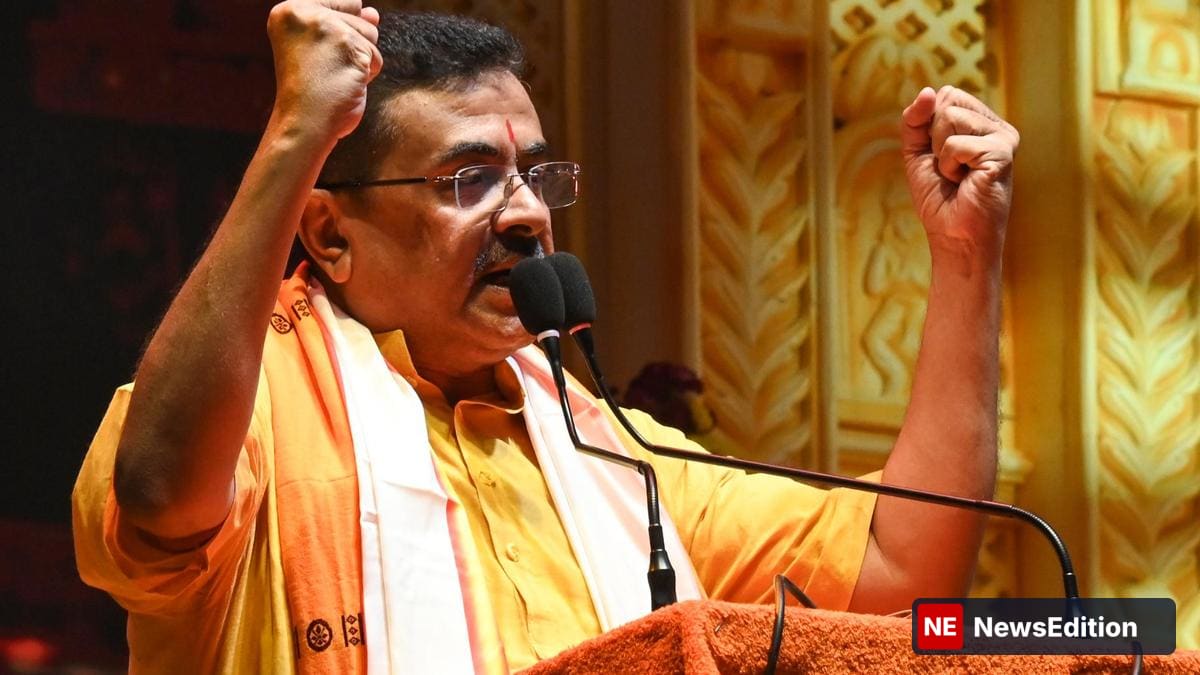
Beginning January 2027, West Bengal will roll out a new unemployment allowance, giving ₹2,000 each month to jobless graduates and diploma holders of government vocational institutes and ITIs, and ₹1,500 monthly to non-graduates, as announced by Chief Minister Suvendu Adhikari on November 23, 2026, according to The Hindu. The initiative, part of the BJP government’s Bhorsha Karmasuchi programme, replaces the earlier Banglar Yuva Sathi scheme that was launched by Mamata Banerjee in February ahead of the last Assembly election.
Who benefits and how the scheme works
The Bhorsha Karmasuchi programme targets unemployed residents aged 21 to 45 in West Bengal. Under its rules, graduates and diploma holders from government-affiliated vocational institutions and ITIs will receive ₹2,000 a month, while non-graduates are set to get ₹1,500. Each family can have up to two people receiving this assistance. However, anyone already earning ₹3,000 a month from the Annapurna Yojana is excluded from this new aid.
According to the state government, funds will be deposited into recipients’ bank accounts during the second week of every month. Those wishing to apply must do so through the ‘Apnar Sarkar Apnar Pashe’ platform. Applications will then be sent to the Youth Welfare Department for review and approval.
The Chief Minister stated that the government is currently verifying 54 lakh existing beneficiaries from the previous Trinamool Congress scheme, with the process expected to finish by December 31, 2026. People who have not yet registered may still apply. The programme’s official launch is scheduled for February 2027.
The Hindu reports that large numbers of young people, especially those in the 21-to-40 age group, are queuing up at registration centres across the state. The scheme is not open to individuals who already benefit from any other government social welfare scheme. The government expects to begin disbursing payments before the upcoming Assembly election.
Statements from Chief Minister and government plans
Chief Minister Suvendu Adhikari told reporters after a cabinet meeting that the allowances would be raised from the 2028-29 financial year, with graduates and diploma holders set to receive ₹3,000 a month and non-graduates ₹2,000, as promised in the BJP manifesto. He urged young people to wait patiently, saying, “We urge our youngsters to be patient for some time, as we have initiated many new schemes, cleared arrears and taken on huge financial responsibilities. We will keep our commitments.”
Adhikari also revealed that the government aims to create one lakh new jobs by early 2027. The cabinet has given the green light to 10,146 upcoming appointments, most of which will be in the Home Department. Among these, 650 sub-inspector positions are included. Additional roles will be filled in the Tourism, Panchayats, and Urban Development Departments. The Chief Minister said he plans to hand over 1,331 appointment letters in December 2026.
Analysis: what the Bhorsha Karmasuchi rollout signals
- This move could indicate a strong focus on youth welfare and employment as a political strategy, especially with Assembly elections on the horizon and the previous Trinamool scheme being replaced.
- The increase in allowance amounts from 2028-29, as part of the BJP manifesto, suggests that the government is planning for long-term support, but the reports do not detail how this will be financed or sustained.
- The verification process for 54 lakh previous beneficiaries and the cap of two recipients per family may mean tighter controls and potentially fewer recipients compared to the earlier scheme, but the reports do not specify the final expected beneficiary count.
Next steps for applicants and the government
Verification of those enrolled under the earlier scheme is scheduled to conclude by December 31, 2026. The Bhorsha Karmasuchi programme will officially start with a launch event in February 2027. New applicants can continue to register through the designated state portal. Once approved, eligible beneficiaries are expected to receive their first payments in the second week of each month after the scheme begins.
Comments (0)
Be the first to comment!