
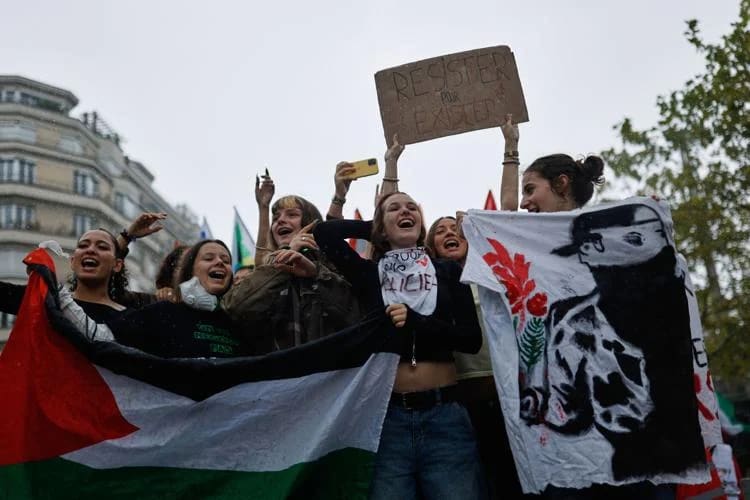
Global Unrest: A Wave of Protests
In recent weeks, a series of protests have erupted across France, Italy, Portugal, and the United States, reflecting growing discontent among citizens regarding various social and economic issues. These demonstrations have been marked by a strong public outcry against government policies, economic inequalities, and rising living costs.
France: A Nation in Turmoil
France has seen some of the most significant protests, particularly in urban centers like Paris. Demonstrators have gathered to voice their opposition to pension reforms and increasing taxes, which many believe disproportionately affect the working class. The protests have sometimes turned violent, leading to clashes with law enforcement and resulting in numerous arrests.
Italy: Voices of Dissent
In Italy, protests have similarly gained momentum, driven by discontent over government austerity measures and economic stagnation. Citizens are expressing frustration over unemployment rates and the rising cost of living, particularly in light of recent energy price hikes. Various activist groups have organized marches and rallies to demand change, calling for more support for the vulnerable sectors of society.
Portugal: Economic Pressures Ignite Anger
Portugal has not been immune to the wave of protests. Citizens are rallying against austerity measures implemented by the government as part of its economic recovery strategy. Protesters are demanding better wages, job security, and improved public services. The government has faced criticism for not adequately addressing the concerns of ordinary citizens amidst rising inflation.
United States: A Diverse Spectrum of Grievances
In the United States, protests have emerged across various states, reflecting a diverse range of grievances. From climate change advocates to those demanding racial justice and economic reform, the protests have highlighted the deep divides in American society. Issues such as police reform, healthcare access, and economic equity have mobilized thousands to take to the streets.
Common Threads and Divergent Causes
While the specific causes of the protests differ by country, common threads such as economic hardship, dissatisfaction with government actions, and social injustice resonate across borders. Many protesters are united by a sense of frustration over perceived governmental inaction and growing inequality. This global season of anger underscores the urgency for governments to engage with their citizens and address the underlying issues that have fueled these movements.
The Way Forward
As protests continue, it remains to be seen how governments will respond to the demands of their citizens. In many cases, leaders are faced with the challenge of balancing economic recovery efforts with the need to address public concerns. The situation calls for dialogue between governments and citizens to find sustainable solutions that promote social equity and economic stability.
In conclusion, the protests unfolding across France, Italy, Portugal, and the United States signify a critical moment in global civic engagement. They reflect a collective yearning for change and justice, demanding attention from policymakers worldwide.
Comments (0)
Be the first to comment!