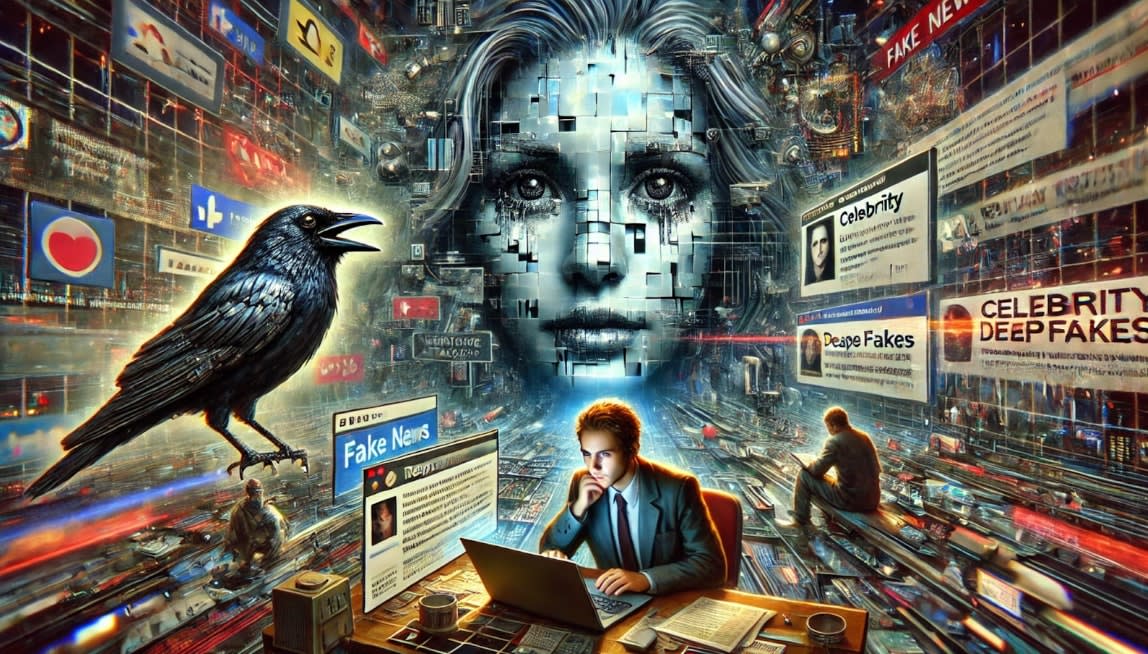
The Growing Concern of Online Abuse
In recent years, the entertainment industry has witnessed a disturbing rise in online harassment, particularly targeting women. This abuse manifests in various forms, including trolling, threats, and the use of advanced technologies such as AI deepfakes. These challenges have prompted many women in the industry to take a stand and advocate for safer online spaces.
AI Deepfakes: A New Form of Harassment
AI deepfakes, which use artificial intelligence to create convincing yet fabricated images and videos, pose a unique threat. These technologies can easily distort reality, making it possible to create false representations of individuals without their consent. For women in entertainment, this can lead to reputational damage, emotional distress, and a sense of vulnerability.
Recent cases have highlighted how deepfakes can be weaponized against women, with malicious actors creating explicit content that can go viral, damaging careers and lives. The anonymity of the internet makes it difficult for victims to seek justice, leading to calls for stronger regulations around the use of such technologies.
The Role of Social Media Platforms
Social media platforms have become a battleground for harassment, where women often face relentless trolling and threats. While these platforms have implemented policies to combat abuse, many argue that enforcement is inconsistent and insufficient. The lack of accountability for perpetrators exacerbates the problem, leaving victims feeling helpless.
Women in the entertainment sector are increasingly vocal about their experiences, using their platforms to raise awareness about the prevalence of online abuse. Many have shared personal stories of harassment, encouraging others to speak out and seek support. This solidarity is crucial in combating the stigma associated with being targeted.
Legal and Institutional Responses
In response to the growing issue, some countries are beginning to implement stricter laws aimed at protecting individuals from online harassment. These legislative measures seek to hold perpetrators accountable and provide victims with legal recourse. However, many advocates argue that more comprehensive action is needed globally.
The entertainment industry itself is also starting to address the issue, with initiatives aimed at fostering a safer environment for women. Workshops and training sessions are being organized to educate individuals about online safety and the impact of harassment. Industry leaders are called upon to take a more active role in supporting their colleagues and promoting a culture of respect.
Empowerment Through Awareness
Education and awareness are key components in the fight against online abuse. By equipping individuals with the knowledge to recognize and combat harassment, the entertainment community can create a more inclusive environment. Various organizations are collaborating to develop resources and tools to help victims navigate online abuse and provide guidance on reporting incidents.
Women in entertainment are also leveraging their influence to advocate for policy changes both within their organizations and on a broader scale. By participating in discussions about digital rights and the ethical use of technology, they aim to foster a culture where harassment is not tolerated.
Inference
As the digital landscape continues to evolve, the fight against online abuse remains a pressing issue, particularly for women in entertainment. The rise of AI deepfakes and persistent trolling highlights the urgent need for effective measures to protect individuals from harassment. Through advocacy, education, and increased awareness, the entertainment industry can work towards a future where all individuals feel safe and respected online.
Comments (0)
Be the first to comment!