
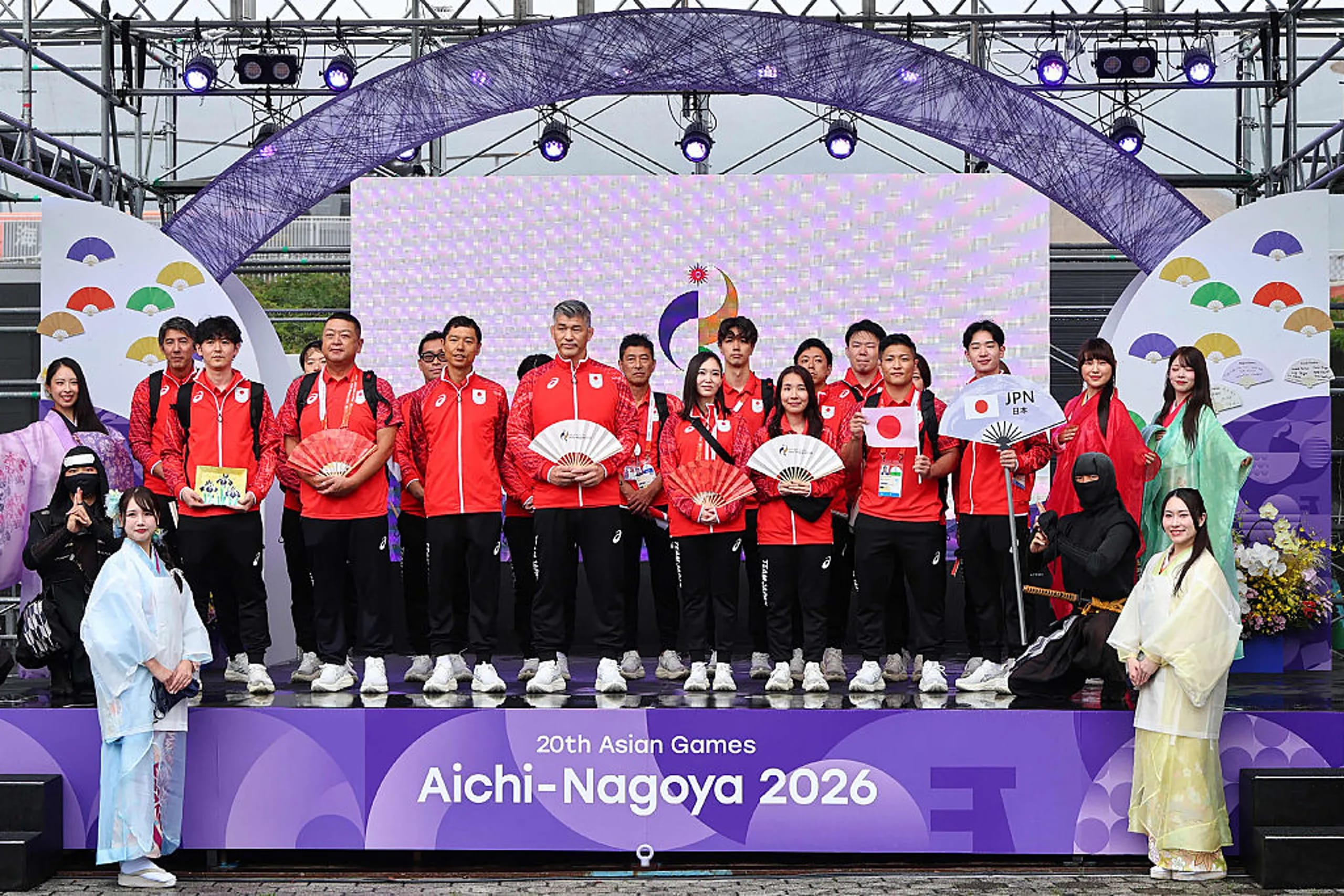
The Asian Games, a significant multi-sport event held every four years, recently took place in Aichi and Nagoya, Japan. This event is generally celebrated for its ability to showcase sportsmanship and cultural unity among Asian countries. However, this year's Games have drawn criticism for a myriad of logistical issues and organizational chaos, raising questions about Japan's ability to manage large-scale international events despite its reputation for efficiency.
Background on the Asian Games
The Asian Games, often referred to as Asiad, are organized by the Olympic Council of Asia (OCA) and feature participants from various Asian countries. The event includes a wide range of sports, from traditional athletics to modern games like e-sports. The Games not only promote sports but also foster camaraderie and cultural exchange among nations.
Japan's History with Major Events
Japan has a long-standing tradition of hosting successful international events, including the Tokyo 2020 Olympics, which were praised for their organization and execution despite pandemic-related challenges. The country is known for its technological advancements, infrastructure, and hospitality, which have typically contributed to a positive experience for visitors and participants alike.
Issues Faced During the Asian Games
This year's Asian Games in Aichi-Nagoya, however, have been marred by several significant disruptions. Reports indicate that many athletes and officials faced transportation challenges, including delays and inadequate shuttle services. These logistical problems led to frustration among participants, impacting their ability to arrive on time for events.
In addition to transportation issues, there were also complaints regarding inadequate accommodations. Many athletes reported that housing arrangements did not meet the expected standards, which detracted from their overall experience. Such shortcomings are particularly concerning given Japan's established reputation for hospitality and comfort.
Public Reaction and Criticism
The chaotic nature of the event has sparked criticism from various quarters, including athletes, media, and spectators. Some have pointed out that Japan's organizational prowess seemed to falter, leading to doubts about the country’s capability to host future international competitions effectively. Social media platforms have also been inundated with comments from athletes sharing their negative experiences, further amplifying the discourse around the Games.
Lessons for Future Events
As the Asian Games conclude, organizers and stakeholders are likely to conduct thorough evaluations to understand the root causes of the chaos. It is essential for Japan to address these issues, not only to restore its image but also to ensure that future events are executed smoothly. Lessons learned from this experience could provide valuable insights for planning and logistics in upcoming international competitions.
Inference
While the Asian Games in Aichi-Nagoya aimed to celebrate athletic excellence and cultural unity, the chaotic execution has overshadowed these aspirations. Japan, a nation known for its meticulous planning and execution, must reflect on this experience to enhance its approach in hosting future global events. The focus should be on improving logistics, enhancing accommodations, and ensuring a seamless experience for all participants.
Comments (0)
Be the first to comment!