
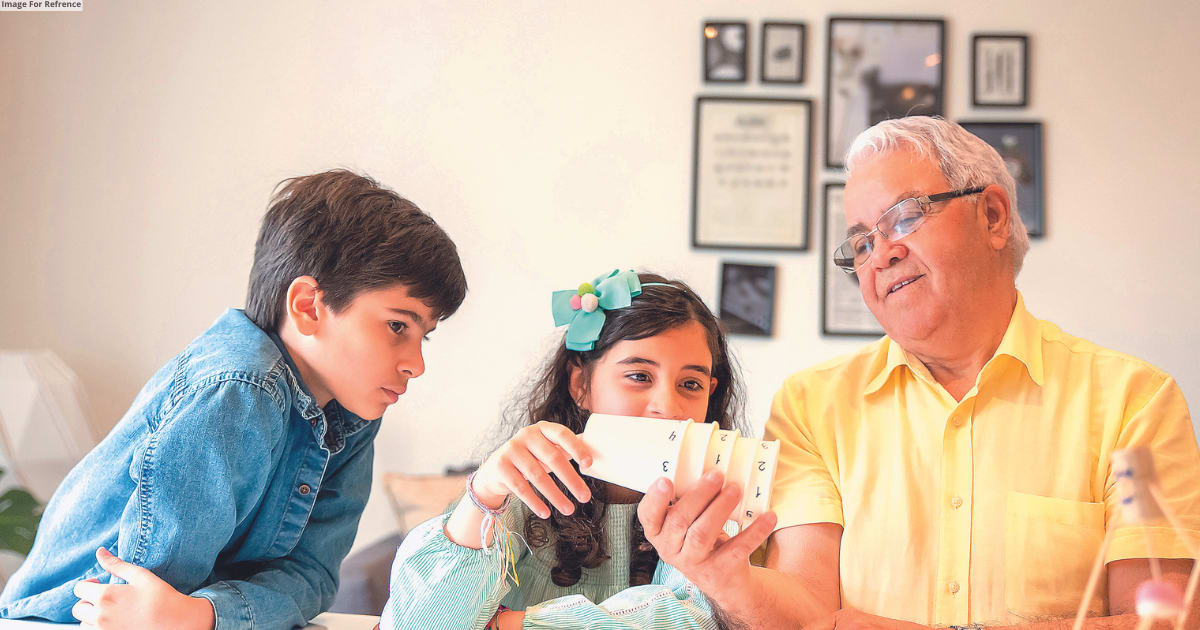
In a world that often appears increasingly disconnected, a woman has taken to social media to laud the rich cultural traditions of India, particularly the values of venerating elders and fostering community support. These aspects of Indian culture, she argues, are not only vital to preserving familial bonds but also in nurturing a spirit of solidarity within communities.
Understanding the Cultural Framework
India's diverse culture is deeply rooted in respect for elders, a value that permeates various aspects of life. This respect is not merely a tradition but an integral part of social fabric that reinforces family hierarchies and community connections. In many Indian households, elders are considered the repository of wisdom and experience, and their opinions and decisions hold significant weight.
This reverence for age is reflected in several cultural practices, including festivals where the elderly are honored, and rituals that emphasize their central role in family gatherings. The tradition of seeking blessings from elders before embarking on new ventures is also a common practice that reinforces this cultural value.
Community and Support Systems
Alongside the respect for elders, the concept of helping others plays a crucial role in Indian society. This is often manifested through community support systems that encourage individuals to assist one another, particularly in times of need. Such values are evident in various forms, from informal neighborly assistance to organized community service initiatives.
During festivals and significant life events, it is common to witness communal gatherings where people come together to celebrate, share resources, and support one another. This culture of mutual assistance fosters a sense of belonging and enhances social cohesion, which is vital in a country as populous and diverse as India.
Generational Bonds and Their Importance
The bond between generations is particularly strong in Indian families. Children are often taught from a young age to respect and care for their grandparents and other elderly relatives. This upbringing not only fosters a sense of responsibility but also facilitates the transfer of knowledge and traditions from one generation to the next.
Moreover, these relationships provide emotional support, with younger family members often turning to their elders for guidance and wisdom during challenging times. This dynamic creates an environment where both the young and old can learn from each other, contributing to a more harmonious family structure.
Challenges Faced in Modern Society
Despite the strong cultural framework that supports these values, modern societal changes pose challenges to the traditional respect for elders and community support. Urbanization, migration for employment opportunities, and the influence of western ideologies have led to shifts in family structures and social interactions.
In many urban settings, nuclear families are becoming increasingly common, which can lead to a disconnect between younger and older generations. Consequently, elders may find themselves isolated, lacking the daily interactions that once were a staple of family life. This shift underscores the need for society to adapt while still preserving essential cultural values.
Preserving Cultural Values in a Changing World
As India continues to modernize, it becomes imperative to find ways to preserve the cultural values of respecting elders and helping others. Educational programs that emphasize these values can be introduced in schools, ensuring that children understand the importance of familial bonds and community support from an early age.
Community organizations and local governments can also play a crucial role by organizing events that encourage intergenerational interactions. Workshops, cultural festivals, and community service projects can provide platforms for the young and old to come together, share experiences, and reinforce cultural ties.
The Global Perspective
The appreciation for elder respect and community aid is not unique to India; many cultures around the world share similar values. However, the way these values are practiced can vary significantly. In Western countries, for example, the elderly might be placed in senior care facilities, contrasting sharply with India's tradition of integrating elders into family life.
This global perspective highlights the importance of adapting cultural practices to suit contemporary realities while retaining fundamental values that promote respect and community support. By learning from each other's experiences, societies can foster environments that encourage the well-being of all age groups.
Comments (0)
Be the first to comment!