
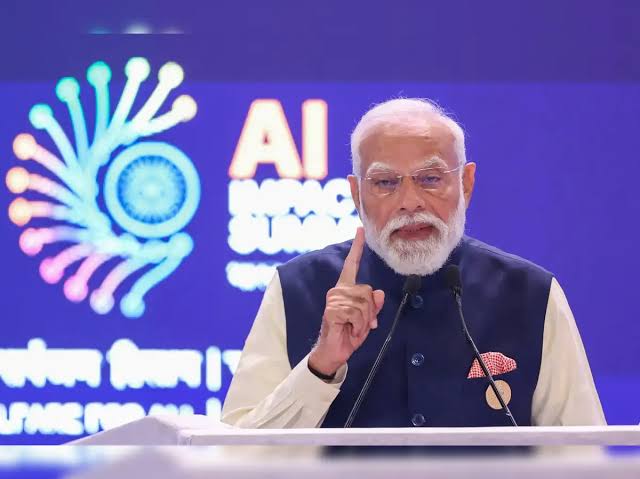
Prime Minister Narendra Modi's ambition to position India as a global leader in artificial intelligence (AI) is facing resistance from local communities, who are expressing concerns over the potential social and economic impacts of rapid technological advancement.
Modi's Vision for AI in India
Recognizing the transformative potential of AI, Modi has laid out a comprehensive strategy aiming to harness the technology to drive economic growth, enhance public services, and improve overall quality of life. The government's focus includes boosting innovation, improving education in tech fields, and creating an environment conducive to AI-driven entrepreneurship.
Modi's administration envisions AI as a catalyst for advancing various sectors, including healthcare, agriculture, and manufacturing. By integrating AI technologies, the government aims to enhance productivity and position India as a competitive player in the global technology landscape.
Local Concerns and Resistance
Despite the perceived benefits of AI, many residents in various regions are voicing their apprehensions. Concerns range from job displacement due to automation to privacy issues associated with data collection and surveillance technologies. Local community leaders argue that the rapid implementation of AI initiatives may exacerbate existing inequalities and displace workers who are not equipped with the necessary skills for new roles created by AI.
In several instances, community members have organized protests and discussions to articulate their concerns about the pace of technological change. They emphasize the need for a more inclusive approach that considers the socio-economic realities of everyday citizens before launching large-scale AI projects.
Economic Implications of AI Adoption
The debate surrounding AI in India is not only about technology but also about its economic ramifications. Proponents argue that AI could lead to significant economic growth by creating new industries and improving efficiency in existing ones. However, critics warn that without proper regulation and foresight, the shift towards automation could result in widespread unemployment and social unrest.
Economists have suggested that for India to successfully navigate this transition, it must invest in upskilling programs that prepare the workforce for the jobs of the future. This involves a commitment to education in STEM fields and vocational training programs that equip individuals with the skills needed to thrive in an AI-driven economy.
The Role of Governance in AI Development
The Indian government has a critical role in ensuring that the benefits of AI are equitably distributed among its citizens. Policymakers are urged to engage with local communities and stakeholders to understand their concerns and to incorporate their feedback into AI strategies. This approach could help mitigate fears and foster a collaborative environment where technology serves the public good.
Experts advocate for a regulatory framework that balances innovation with ethical considerations. This includes establishing guidelines for data privacy, security, and transparency in AI applications to build public trust in new technologies.
Looking Ahead
As India stands at the crossroads of technological advancement and social responsibility, the dialogue between the government, businesses, and citizens will be crucial. The challenges of integrating AI into society present an opportunity to rethink traditional economic and social structures.
In conclusion, while Modi’s vision for India as a leader in AI is ambitious, it is essential that the government addresses the valid concerns raised by residents. A collaborative and inclusive approach could pave the way for a future where technology enhances lives without leaving anyone behind.
Comments (0)
Be the first to comment!