
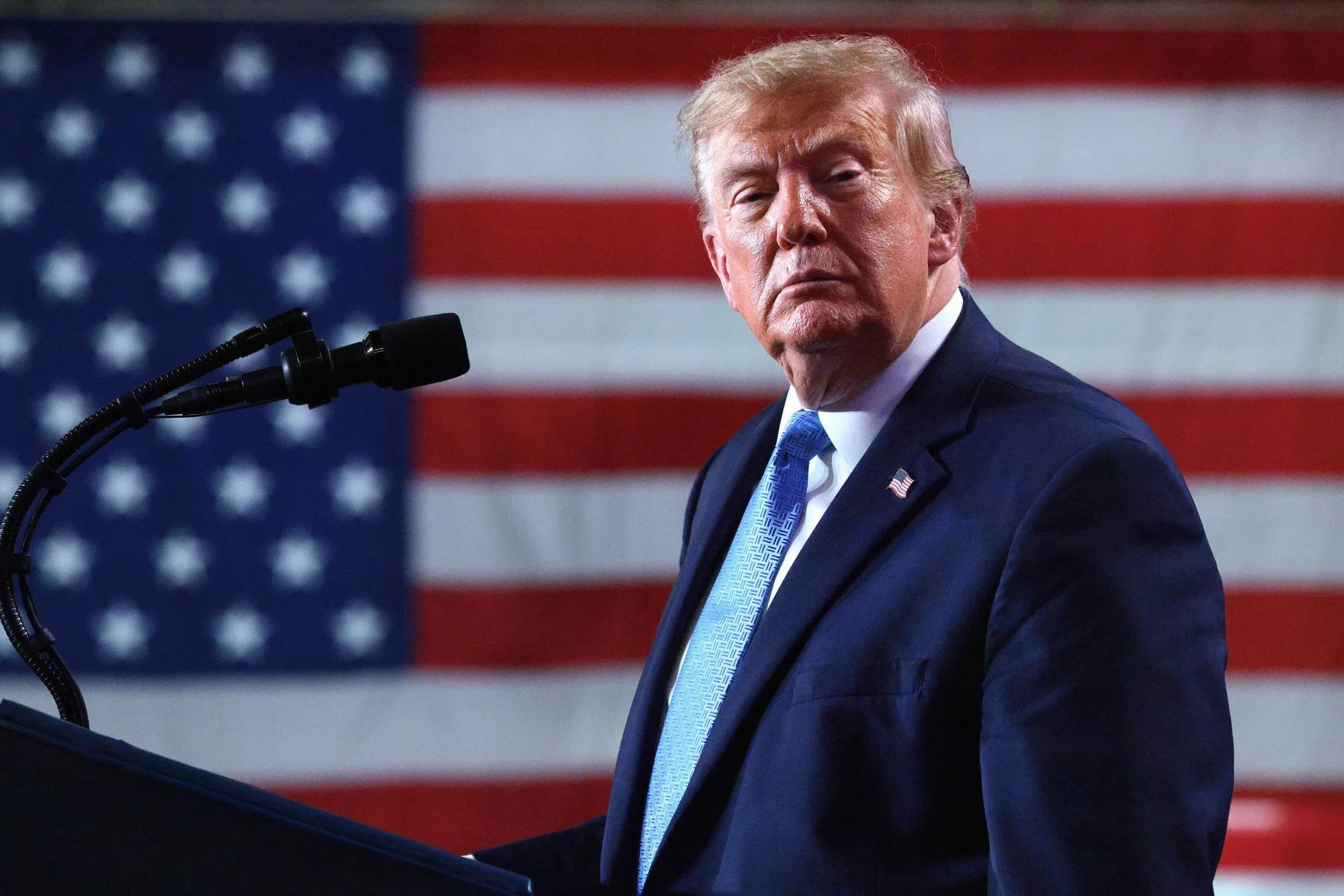
The recent midterm elections in the United States highlighted significant challenges for the movement known as Trumpism, as candidates aligned with former President Donald Trump experienced mixed results. While some Trump-backed candidates secured victories in key races, others faltered, raising questions about the sustainability of his political influence. This electoral performance comes at a time when global trust in America is under scrutiny, with many nations expressing hesitance in their relations with the U.S.
Midterm Elections: A Mixed Bag for Trumpism
The midterm elections traditionally serve as a referendum on the sitting president's administration, and this year was no different. Despite some Trump loyalists winning their respective races, several high-profile endorsements did not yield the expected outcomes. This has led to a growing debate within the Republican Party about the direction and future of Trumpism as a political ideology.
Several political analysts have noted that while Trump remains a significant figure, his brand of politics may be losing its appeal among broader segments of the electorate. The failure of some candidates to connect with voters on pressing issues such as inflation, healthcare, and climate change suggests that a shift in strategy may be necessary for future elections.
Global Perception of America
Alongside the electoral outcomes, America's standing on the world stage continues to face challenges. Many international leaders and citizens express skepticism regarding U.S. reliability as a global partner. This sentiment has been shaped by recent political turmoil, including the events leading up to and following the 2020 presidential election, which have cast a shadow over America's commitment to democratic values.
Countries around the world are increasingly cautious about their relationships with the U.S. The Biden administration has made efforts to restore alliances and reaffirm commitments to international partnerships, yet the lingering effects of the Trump era complicate these efforts. Allies are often left wondering whether the U.S. will remain a stable and trustworthy partner in the long run.
Implications for U.S. Foreign Policy
The implications of these electoral results and global perceptions are significant for U.S. foreign policy. As the Biden administration navigates complex international issues—from climate change to security concerns—its ability to present a united front is critical. The internal divisions within the Republican Party, particularly regarding Trumpism, could hinder bipartisan support for foreign policy initiatives.
As the U.S. approaches future elections, the need for a cohesive approach to both domestic and foreign policy will be paramount. The challenge lies in reconciling differing viewpoints within the party while also addressing the concerns of international allies who may feel uncertain about America's political landscape.
The Path Forward
Looking ahead, both the Republican Party and the Biden administration face substantial challenges in addressing the concerns of voters and the international community. For Trumpism to remain relevant, it must evolve to better reflect the needs and priorities of the electorate. Simultaneously, the U.S. must work diligently to rebuild trust with its allies and ensure that its foreign policy reflects a commitment to democratic principles and global cooperation.
Comments (0)
Be the first to comment!