
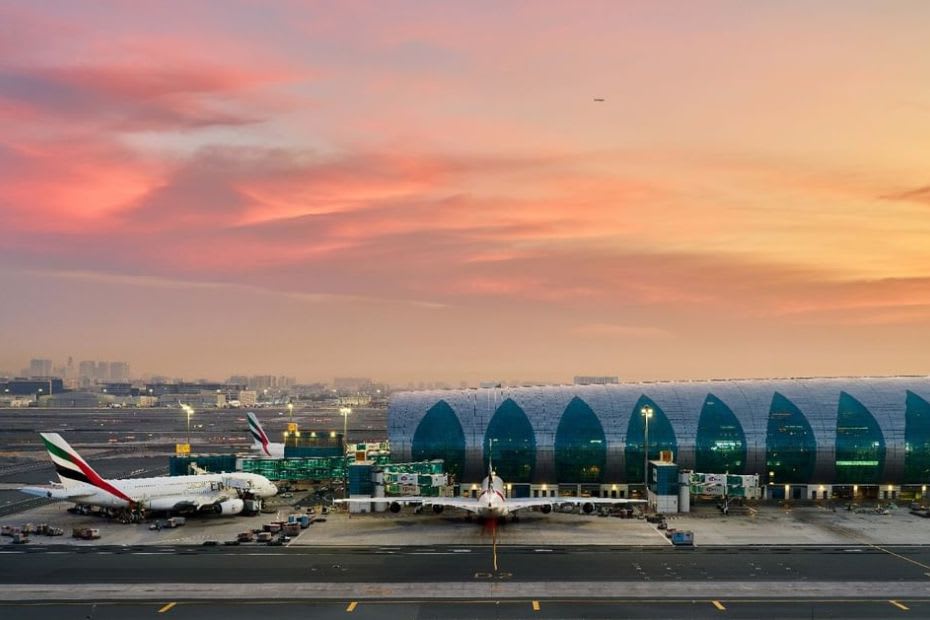
The Gulf region has long been recognized for its ambitious airport projects, which serve as pivotal nodes connecting continents and enhancing international travel. Cities like Dubai, Doha, and Abu Dhabi have invested heavily in transforming their airports into world-class transit hubs. However, emerging geopolitical tensions and economic shifts are putting these airports under increasing scrutiny.
Investment in Infrastructure
Over the past two decades, Gulf nations have poured billions into airport infrastructure, aiming to capitalize on their strategic geographical positions. Airports such as Dubai International and Hamad International have become vital gateways between the East and the West. These investments have not only boosted tourism but have also significantly contributed to the local economies.
Challenges Arising
Despite their success, Gulf airports are now navigating a complex landscape shaped by various challenges. One of the primary concerns is the rising geopolitical tensions in the region. Governments are increasingly wary of how these tensions affect travel safety and operations, which can lead to decreased passenger confidence.
Additionally, the global aviation industry is facing a myriad of issues, including fluctuating oil prices, which directly impact operational costs. The COVID-19 pandemic further exacerbated these challenges, leading to a drastic reduction in global air travel. Although the industry is slowly recovering, it remains fragile.
Environmental Considerations
Environmental sustainability is another pressing issue for Gulf airports. With climate change becoming an urgent global crisis, airports are being held accountable for their carbon footprints. Many Gulf states are now exploring eco-friendly initiatives to mitigate the environmental impact of their aviation sectors.
For instance, some airports are investing in renewable energy sources and implementing stricter regulations on emissions. These measures are essential not only for compliance with international standards but also for maintaining their reputations as global aviation leaders.
Future Outlook
Looking ahead, Gulf airports are likely to continue evolving amid these challenges. The focus will be on enhancing passenger experience and operational efficiency while addressing security and environmental concerns. This includes adopting advanced technologies like biometrics and artificial intelligence to streamline processes and ensure safety.
Moreover, as the world moves towards a more interconnected future, Gulf airports may need to adapt their strategies to remain competitive. This could involve establishing partnerships with other international airports and airlines to boost connectivity and attract new travelers.
Comments (0)
Be the first to comment!