
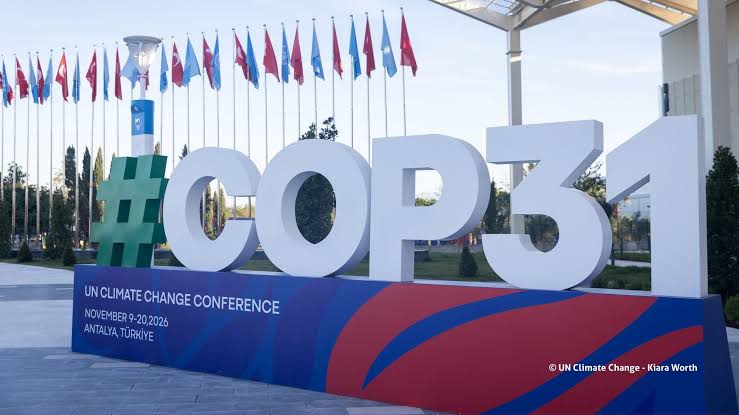
The upcoming COP31 climate conference is set to be a pivotal moment for global leaders as they grapple with the urgent need to transition away from fossil fuels. As nations confront the realities of climate change, the influence of fossil fuel industries on climate policy remains a significant barrier to progress.
The Importance of COP31
COP31, the 31st Conference of the Parties to the United Nations Framework Convention on Climate Change, will take place in the context of increasing global temperatures and extreme weather events. With many countries already experiencing the adverse effects of climate change, the stakes are higher than ever. The conference aims to unite nations in their efforts to reduce greenhouse gas emissions and foster sustainable development.
Fossil Fuels: An Ongoing Challenge
Despite the growing awareness of climate issues, fossil fuel dependency continues to hinder effective climate action. Many countries still rely heavily on coal, oil, and natural gas for energy, which undermines international commitments to reduce carbon emissions. The fossil fuel industry's political clout often leads to policies that prioritize short-term economic gains over long-term environmental sustainability.
Demands for Change
Human rights organizations and environmental advocates are calling on world leaders to take decisive action against the fossil fuel sector. They argue that breaking free from fossil fuels is essential not only for the planet's health but also for protecting vulnerable communities that are disproportionately affected by climate change. The demand for a just transition includes investing in renewable energy sources, enhancing energy efficiency, and ensuring that those affected by the transition are supported through various initiatives.
Global Perspectives on Climate Action
Many countries are now setting ambitious targets for renewable energy adoption, recognizing the need to move away from fossil fuels.
Developed nations, which have historically contributed the most to greenhouse gas emissions, are being urged to provide financial support to developing countries.
There is a growing consensus that international cooperation is essential for tackling climate change effectively.
The Role of Policy and Governance
Effective governance is crucial for implementing climate actions that align with global agreements. Policymakers are encouraged to develop regulations that limit fossil fuel extraction and incentivize clean energy technologies. This includes creating frameworks for carbon pricing and investing in public transportation and infrastructure that supports sustainable practices.
Public Awareness and Engagement
Public pressure can significantly influence climate policy. Citizens around the world are increasingly vocal about their concerns regarding climate change and the fossil fuel industry's impact. Grassroots movements have emerged, advocating for climate justice and pressuring governments to prioritize environmental sustainability over fossil fuel interests.
Comments (0)
Be the first to comment!