
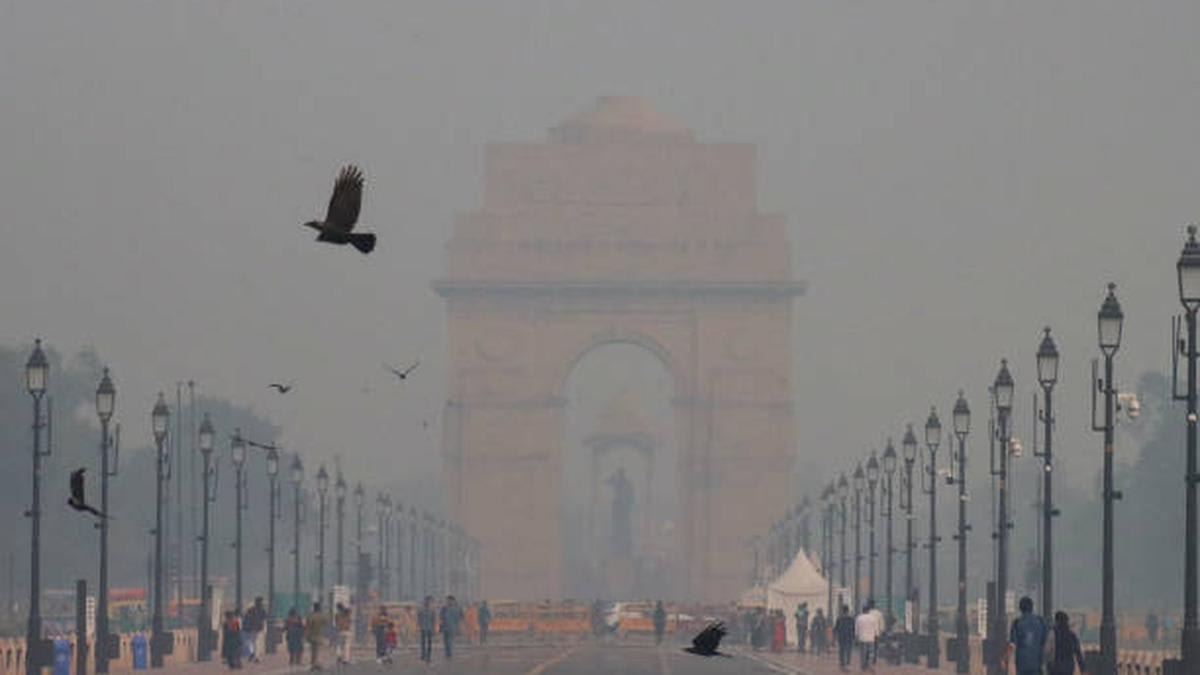
Delhi, the capital of India, is grappling with a severe air quality crisis that has raised alarm among residents, health experts, and policymakers alike. Known for its rich history and vibrant culture, the city is currently enveloped in a thick layer of smog that poses significant health risks and challenges for the government.
Understanding the Smog Situation
The onset of winter in Delhi brings with it a notorious increase in air pollution levels, primarily due to a combination of factors. These include vehicular emissions, industrial discharges, construction activities, and, notably, the seasonal practice of stubble burning in neighboring states. The latter has been identified as a major contributor to the particulate matter that envelops the city, leading to hazardous air quality.
Health Implications
The health impacts of this persistent smog are profound. Respiratory illnesses, cardiovascular diseases, and various other health complications have surged as people are exposed to dangerously high levels of PM2.5 and PM10 pollutants. Children, the elderly, and those with pre-existing health conditions are particularly vulnerable, prompting urgent calls for action.
Government's Response
In response to the escalating crisis, the Indian government has initiated several measures aimed at curbing pollution levels. These initiatives include:
Implementing stricter emissions norms for vehicles.
Encouraging the use of public transport and electric vehicles.
Launching public awareness campaigns about pollution sources and preventive measures.
Collaborating with neighboring states to address agricultural burning.
However, despite these efforts, many experts believe that more stringent actions are required. There is a growing consensus that long-term solutions must be prioritized over short-term fixes.
Community and Technological Innovations
Community engagement has also become a crucial aspect of combating air pollution. Local organizations and citizen groups are taking proactive steps to educate residents about air quality and promote sustainable practices. Additionally, technological innovations such as air purifiers and pollution-tracking apps are gaining popularity among residents seeking to mitigate the effects of poor air quality.
International Comparisons and Lessons
Looking at global examples, cities like Beijing have implemented extensive measures to tackle severe air pollution, which could provide valuable lessons for Delhi. These measures include transitioning to cleaner energy sources, enhancing public transportation systems, and imposing strict regulations on industrial emissions. Learning from these experiences could be vital for India as it seeks to devise effective strategies for improving air quality.
The Path Ahead
As Delhi faces this daunting challenge, the need for a comprehensive, multi-faceted approach becomes clear. Collaboration between government, industry, and communities will be essential. Furthermore, significant investment in green technologies and infrastructure is necessary to create a cleaner, healthier environment for all residents.
Comments (0)
Be the first to comment!