
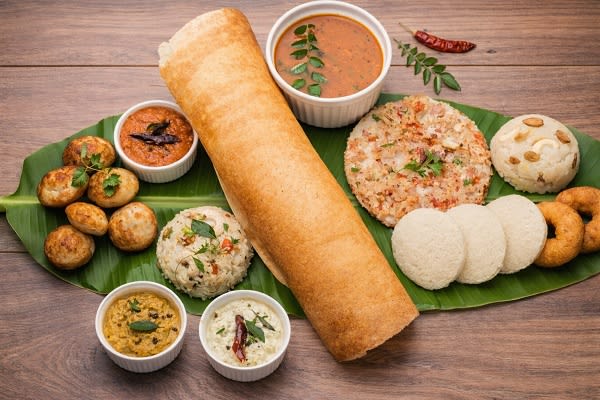
Recent studies have shed light on the rich and diverse culinary culture of prehistoric South India, providing new insights into the dietary practices and food sources of early communities in the region. Archaeological findings suggest that the food customs of these ancient societies were shaped by both environmental factors and cultural exchanges.
Archaeological Discoveries
Excavations in various sites across South India have uncovered remnants of ancient cooking practices and food preparation techniques. Artifacts such as pottery, grinding stones, and remnants of food items have been crucial in piecing together the dietary habits of these early inhabitants. Researchers have identified various grains, legumes, and tubers that were staples in their diets.
Dietary Staples and Ingredients
Analysis of archaeological findings indicates that prehistoric communities predominantly consumed millet, rice, and pulses, which were cultivated in the fertile lands of South India. Additionally, wild fruits, nuts, and seeds contributed significantly to their nutritional intake. The presence of animal remains suggests that hunting and animal husbandry also played a role in their diets, with domesticated animals providing meat and dairy products.
Cultural Influences on Culinary Practices
The culinary culture of prehistoric South India was likely influenced by interactions with neighboring regions and tribes. Trade routes facilitated the exchange of spices, herbs, and cooking techniques, enriching the local cuisine. This blending of culinary traditions led to a diverse range of flavors and cooking methods that are still evident in the region's modern foods.
Cooking Techniques and Tools
Research indicates that early South Indian communities employed various cooking techniques, including roasting, boiling, and fermenting. The discovery of ancient cooking vessels and tools such as stone mortars suggests that food preparation was both an art and a communal activity. These tools not only facilitated cooking but also played a role in social gatherings and rituals.
Impact of Geography and Climate
The geographic and climatic conditions of South India significantly influenced the types of crops that could be cultivated. The monsoon climate provided ample rainfall, which in turn supported the growth of diverse agricultural products. Additionally, the abundance of natural resources such as rivers and forests allowed for a variety of food sources, including fish and wild game.
Preservation of Culinary Heritage
Understanding the prehistoric culinary practices of South India is crucial for appreciating the region's cultural heritage. Efforts are being made to preserve traditional cooking methods and ingredients that have been passed down through generations. Ethnographic studies and community engagement are helping to document and revive ancient recipes, ensuring that these culinary traditions are not lost to time.
Comments (0)
Be the first to comment!