
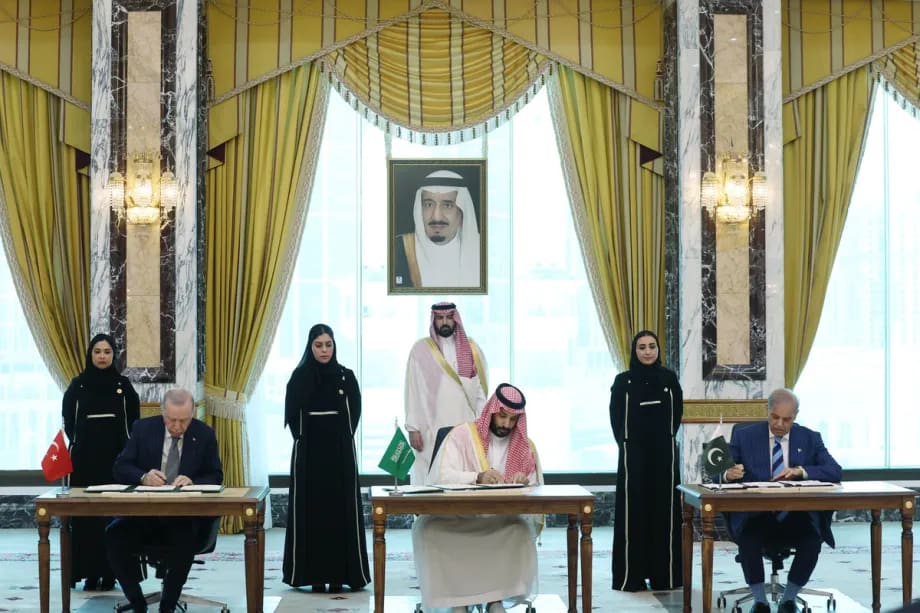
The geopolitical landscape of the Middle East is witnessing significant shifts, particularly with the proposed Mecca Joint Defence Agreement involving Turkey, Pakistan, and Saudi Arabia. This trilateral agreement aims to enhance military cooperation and bolster defense capabilities among the three nations, reflecting their growing concerns over regional security threats.
Background of the Agreement
The Mecca Joint Defence Agreement marks a pivotal move towards strengthening defense ties among Turkey, Pakistan, and Saudi Arabia. Each of these countries has been navigating a complex regional environment characterized by evolving power dynamics, terrorism, and sectarian conflicts. The agreement seeks to create a collaborative framework that can address these multifaceted challenges more effectively.
Key Objectives of the Agreement
Enhancing Military Cooperation: The primary goal of the Mecca Joint Defence Agreement is to facilitate joint military exercises and training programs, enhancing interoperability among the armed forces of the three nations.
Countering Security Threats: The agreement is expected to focus on counter-terrorism initiatives and intelligence-sharing to combat extremist groups operating within and around their borders.
Strengthening Regional Stability: By consolidating their defense strategies, Turkey, Pakistan, and Saudi Arabia aim to establish a more stable and secure environment in the Middle East.
Geopolitical Implications
The formation of this defense pact comes amid increasing tensions in the region, particularly regarding Iran's influence and the ongoing conflicts in Syria and Yemen. Analysts suggest that the agreement could serve as a counterbalance to Iranian power, aligning the three nations against common regional threats.
Moreover, Turkey's involvement highlights its strategic pivot towards the Middle East, moving away from its traditionally European-centric foreign policy. Pakistan, with its longstanding ties to both Turkey and Saudi Arabia, aims to reinforce its role as a key player in regional security discussions. Saudi Arabia, on the other hand, seeks to consolidate its defense partnerships amid ongoing concerns about its security posturing in the Gulf.
Potential Challenges
While the Mecca Joint Defence Agreement holds promise, it is not without challenges. The differing national interests and political objectives of the three countries could complicate the implementation of the agreement. Historical tensions, particularly between Turkey and Saudi Arabia over issues like the Qatar blockade, may also pose hurdles in achieving cohesive defense strategies.
Furthermore, the broader international context, including relations with the United States and Russia, may influence the dynamics of this trilateral partnership. The involvement of external powers could either support or undermine the objectives of the Mecca Joint Defence Agreement.
Next Steps for Implementation
For the Mecca Joint Defence Agreement to be effective, the three nations must prioritize diplomacy and dialogue. Regular meetings and consultations will be crucial in aligning their defense policies and ensuring a unified approach to regional security concerns.
Additionally, the establishment of joint military exercises and training programs should commence promptly, fostering trust and collaboration among the armed forces of Turkey, Pakistan, and Saudi Arabia. Engaging with other regional players and international partners may also enhance the agreement's credibility and effectiveness.
Inference
The Mecca Joint Defence Agreement represents a significant development in the defense strategies of Turkey, Pakistan, and Saudi Arabia. As these nations navigate the complexities of regional security, their commitment to collaboration will be vital in addressing the challenges that lie ahead. The success of this agreement will depend on the ability of these countries to work together, respect each other's sovereignty, and maintain a focus on their shared objectives.
Comments (0)
Be the first to comment!