
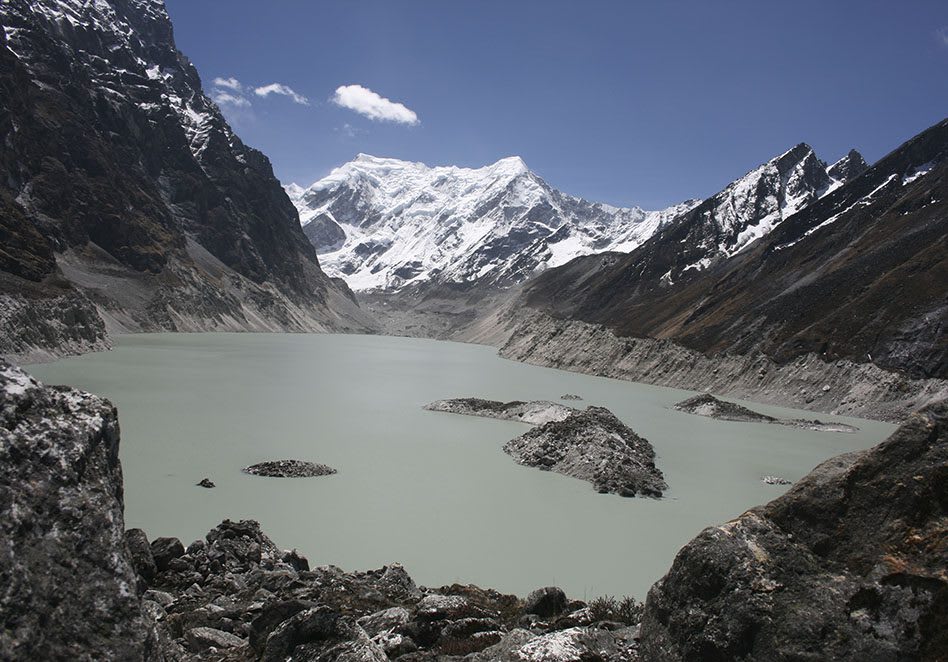
A significant glacial lake outburst in Bhutan has raised concerns about potential flooding in five districts across Assam and West Bengal, India. The outburst, which occurred as a result of rapid melting and heavy rainfall, has prompted local governments to issue warnings to residents and prepare for possible flooding.
Understanding Glacial Lake Outburst Floods
Glacial lake outburst floods (GLOFs) occur when water accumulated in a glacial lake breaches its natural dam, often caused by the melting of glaciers due to climate change. These events can lead to sudden and catastrophic flooding downstream, posing risks to both life and property. Bhutan, known for its vast mountainous regions and numerous glaciers, is particularly vulnerable to these occurrences.
Current Situation in Bhutan
The recent outburst in Bhutan has been attributed to unusually high temperatures and increased precipitation, which have accelerated the melting of glaciers. Local authorities are assessing the situation and monitoring water levels in nearby rivers. They are also coordinating with disaster response teams to mitigate any potential impacts.
Flood Alerts Issued in India
In response to the situation in Bhutan, officials in Assam and West Bengal have declared flood alerts in five districts. Residents in these areas are being advised to remain vigilant and take necessary precautions. The districts affected include vulnerable regions known for their proximity to rivers that could swell due to the influx of water from Bhutan.
Authorities are closely monitoring river levels and have set up control rooms to facilitate communication and response efforts. Emergency services are on standby, ready to assist communities that may be affected by flooding.
Historical Context of GLOFs in the Region
Historically, the Himalayan region has experienced several instances of GLOFs, with significant impacts on local communities. In the past, such floods have caused devastating damage to infrastructure, agriculture, and livelihoods. Efforts to study and monitor glacial lakes are ongoing, with the aim of improving early warning systems and response strategies.
Climate Change and Its Impact
The rise in glacial lake outbursts is closely linked to climate change, which has led to increased temperatures and altered precipitation patterns in the Himalayas. As glaciers continue to melt at an accelerated rate, the risk of GLOFs is expected to grow, posing challenges for both Bhutan and its neighboring countries, including India. Environmental experts emphasize the need for comprehensive strategies to address these challenges, including improved water management and climate adaptation measures.
Preparedness and Community Response
In light of the current situation, local governments are urging communities to prepare for potential flooding. This includes creating emergency plans, securing property, and having access to necessary supplies. Community awareness programs are also being implemented to educate residents about the risks associated with glacial lake outbursts and the importance of following official guidance during emergencies.
Inference
The glacial lake outburst in Bhutan serves as a stark reminder of the vulnerabilities faced by mountainous regions due to climate change. As the situation unfolds, collaboration between Bhutan and Indian authorities will be crucial in mitigating the risks of flooding and ensuring the safety of communities in the affected areas.
Comments (0)
Be the first to comment!