
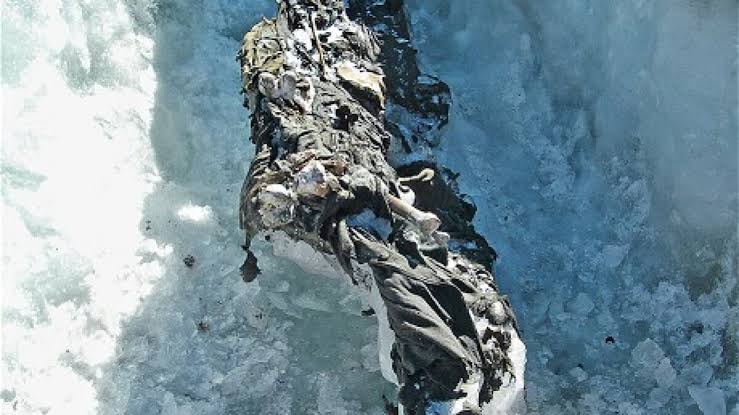
As climate change continues to impact natural landscapes, the melting glaciers in the Dolomites have revealed a surprising historical find: a cache of munitions from World War I. This discovery highlights not only the effects of global warming but also the remnants of a tumultuous period in European history.
The Discovery
Recent warm weather has caused significant glacial retreat in the Dolomites, a mountain range in northern Italy, exposing various artifacts that had been long buried under ice and snow. Among these findings, a considerable quantity of munitions was unearthed, including artillery shells and other military equipment.
Experts believe that these munitions date back to the battles fought between Italian and Austro-Hungarian forces during World War I, particularly in the region known for its rugged terrain and strategic significance. The Dolomites were a critical battleground during the war, with soldiers entrenched in the mountains, leading to numerous casualties and the abandonment of military supplies.
The Historical Context
The presence of these munitions serves as a stark reminder of the war's legacy. The Italian Front saw intense fighting, where the mountainous landscape posed both challenges and opportunities for military strategies. The harsh conditions led to trench warfare, and equipment often remained buried as armies moved on or retreated.
The discovery adds to the growing list of historical artifacts revealed by climate change. As glaciers recede, they expose not only military remnants but also archaeological treasures, including human remains, personal items, and everyday objects from past eras.
Environmental Implications
The melting of glaciers is a direct consequence of rising global temperatures, which have been attributed to climate change. Scientists warn that the rapid melting could have serious implications for ecosystems, water supply, and weather patterns in the region.
As the glaciers continue to retreat, researchers urge a focused effort to study and preserve these historical artifacts before they are lost to further environmental changes. The artifacts found in the Dolomites could provide valuable insights into the social and military aspects of World War I.
Local Responses and Future Actions
The local authorities and historians are now faced with the challenge of addressing the findings. Measures are being discussed to secure the area and ensure that the munitions do not pose any safety hazards to hikers and tourists frequenting the Dolomites.
Moreover, there is an increasing call for a collaborative effort among archaeologists, historians, and environmental scientists to document and preserve these finds. Educational initiatives may also emerge, aimed at informing the public about the historical significance of the area and the impacts of climate change.
Inference
The emergence of World War I munitions from the melting glaciers of the Dolomites underscores the intertwined nature of environmental change and historical preservation. As global temperatures rise, the revelation of such artifacts serves as both a warning and a reminder of the past. Future efforts must balance the need for preservation with the imperative to understand and address climate change's ongoing impact on our world.
Comments (0)
Be the first to comment!