
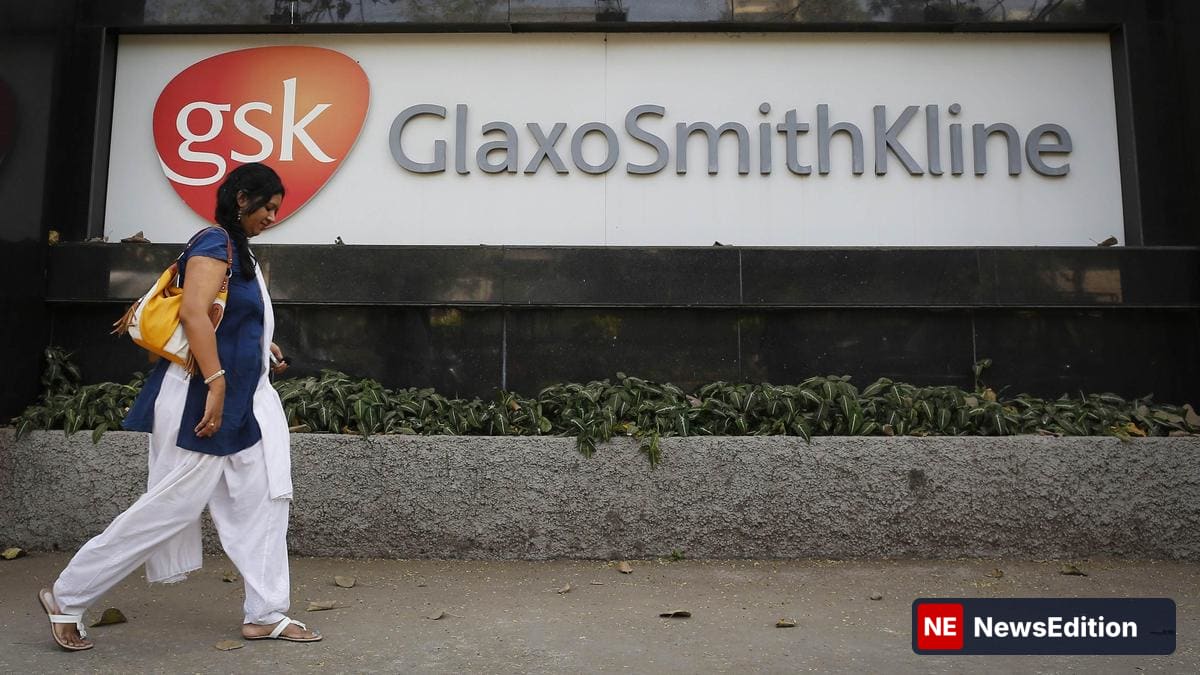
GlaxoSmithKline Pharmaceuticals Limited (GSK India) has introduced Blenrep (belantamab mafodotin) in India as a treatment option for adults whose multiple myeloma has either returned after earlier therapies or did not respond to them, according to The Hindu BusinessLine and The Hindu. This launch brings a new approach to managing a challenging form of blood cancer for Indian patients who have already undergone at least one previous treatment.
Blenrep is the first antibody-drug conjugate (ADC) globally approved to target B-cell maturation antigen (BCMA) in multiple myeloma. As described by GSK, the drug is intended for use alongside other medicines—specifically bortezomib and dexamethasone—when earlier treatments have failed or the disease has relapsed. The treatment is administered by intravenous infusion, lasting around 30 minutes, and patients are not required to stay in a hospital during the process. This could make ongoing care more accessible for those living far from major medical centres.
The Central Drugs Standard Control Organisation (CDSCO) has authorised Blenrep for use in India for adults with relapsed or refractory multiple myeloma after at least one prior therapy, according to the company. The cost of Blenrep in India has not been published at this time, and GSK has not shared information regarding reimbursement or insurance coverage.
Bhushan Akshikar, Managing Director at GSK India, explained that the company’s oncology presence in India began with drugs for solid tumours, such as Jemperli and Zejula, last year. He said that with Blenrep, GSK is now expanding into haemato-oncology, aiming to address the needs of patients with advanced blood cancers. Akshikar highlighted that relapse is often a repeated challenge for people with multiple myeloma, and this new therapy adds to the limited options available.
Dr Shalini Menon, Executive Vice President of Medical Affairs at GSK India, described Blenrep’s action as combining direct anti-myeloma effects with stimulation of the immune system, which the company claims can lead to more robust and lasting responses. Regulatory agencies such as the US Food and Drug Administration, the UK's Medicines and Healthcare products Regulatory Agency, and the European Medicines Agency have approved this medicine for similar uses outside India.
What Blenrep brings to Indian multiple myeloma patients
Multiple myeloma, a cancer that affects bone marrow, is a significant health concern in India. GSK cited Globocan data showing that more than 1,96,000 new cases were reported in 2024, making up about 1% of all new cancer diagnoses in the country. The company pointed out that patients in India tend to be diagnosed at a younger age than those in Western countries, which may add to the challenge of managing the disease over a lifetime. GSK also expects the number of cases to rise as life expectancy increases and healthcare systems improve.
Because Blenrep can be given without requiring patients to stay in hospital, it may help reduce the overall burden of treatment. However, until pricing and access details are shared, it is not clear how widely the therapy will be adopted in practice or what financial barriers patients may face.
GSK’s oncology strategy in India is not limited to blood cancers. The company stated that it is also focusing on lung, gastrointestinal, and other solid tumours, and is running 15 clinical trials in India. These studies include research on dostarlimab for head and neck as well as colon cancers.
Analysis: Blenrep’s impact and open questions for Indian cancer care
- The arrival of Blenrep means that Indian patients whose disease has returned or resisted previous treatments now have access to a therapy recognised by international health authorities, which could fill a gap for those with few remaining options.
- The fact that the drug can be administered in an outpatient setting suggests a move towards more patient-centred cancer care, but without information on cost, it is uncertain whether this approach will be available to many who need it.
- GSK’s expansion into haemato-oncology and its broader oncology research efforts indicate a strategic push into cancer care in India, but the reports do not specify how Blenrep will be incorporated into existing treatment protocols or how many patients might benefit in the initial phase.
What to expect next for Blenrep access and use
GSK has yet to release details about how Blenrep will be priced or how soon it will be available to patients across India. The company continues to conduct clinical research in the country, and further guidance on reimbursement, eligibility, and clinical use is expected as rollout progresses.
Comments (0)
Be the first to comment!