
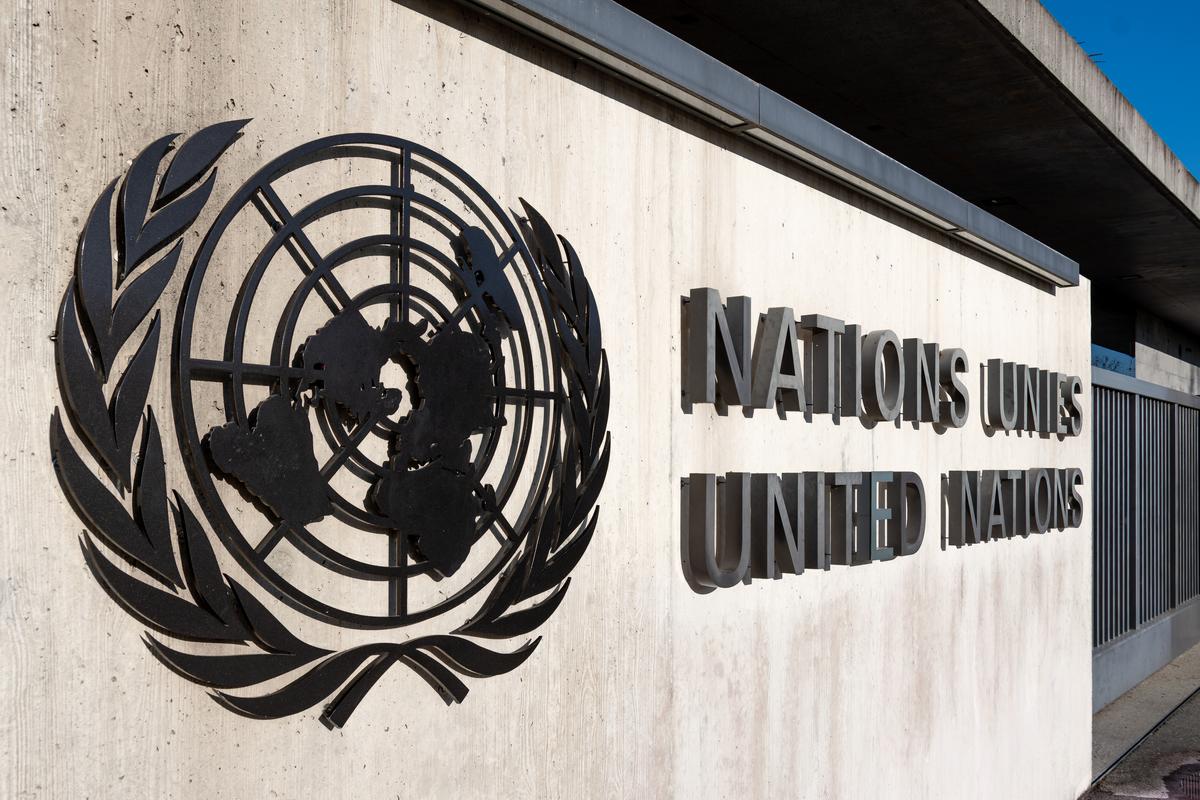
In a significant move at the United Nations General Assembly (UNGA), India and Israel have cast their votes against a draft resolution aimed at establishing regional controls on conventional weapons. This decision highlights the complex geopolitical dynamics that influence arms control discussions within the international community.
Background on the Resolution
The draft resolution proposed by an unspecified group of nations calls for enhanced measures to regulate the proliferation of conventional arms in various regions. The intent behind such proposals is to promote peace and security, particularly in areas marked by conflict and instability. However, the specifics of the resolution and its potential implications have raised concerns among some member states.
India's Position
India's opposition to the draft reflects its longstanding policy of strategic autonomy and its focus on national security. The country has historically advocated for arms control measures that do not compromise its defense capabilities or hinder its strategic interests. Analysts suggest that India’s vote against the resolution aligns with its broader defense strategy, which emphasizes self-reliance and the need for a robust military posture amid regional tensions.
Israel's Stance
Israel’s decision to vote against the draft also stems from its security concerns. The nation perceives the regulation of conventional arms as potentially detrimental to its defense capabilities, particularly in a region where it faces numerous security threats. Israel has often emphasized the need for its military preparedness in the face of ongoing conflicts in the Middle East, and such resolutions are viewed as potentially undermining its security framework.
International Reactions
The voting results have drawn mixed reactions from other UN member states. Supporters of the resolution argue that controlling the flow of arms is essential for reducing violence and instability in conflict-prone regions. They contend that countries like India and Israel should consider the broader implications of their decisions on global peace efforts.
Conversely, opponents of the draft, including India and Israel, assert that overly restrictive measures could lead to unintended consequences, including the empowerment of non-state actors and increased regional tensions. This highlights the ongoing debate within the UN concerning the balance between arms control and national sovereignty.
Implications for Regional Security
The opposition from India and Israel raises questions about the future of arms control initiatives within the UN framework. As geopolitical tensions continue to rise in various regions, the ability of international bodies to effectively regulate arms flows is increasingly being challenged. The differing perspectives on arms control can lead to divisions among member states, complicating consensus-building efforts.
Furthermore, the rejection of the draft may embolden other nations to pursue similar positions, potentially leading to a fragmented approach to arms control. This could hinder collective efforts to promote disarmament and regional stability.
Comments (0)
Be the first to comment!