
Haryana has witnessed a significant increase in dengue cases over the past month, with reported infections rising by 58% in just 20 days. The total number of cases has surged, causing alarm among public health officials and residents alike.
Current Situation in Haryana
As of the latest reports, the state has recorded a considerable uptick in dengue infections, particularly in urban areas. Gurgaon, a major city in Haryana, is currently facing the brunt of this outbreak, with the highest number of reported cases at 65. This situation has prompted local health authorities to take immediate action to manage and mitigate the spread of the disease.
Understanding Dengue Fever
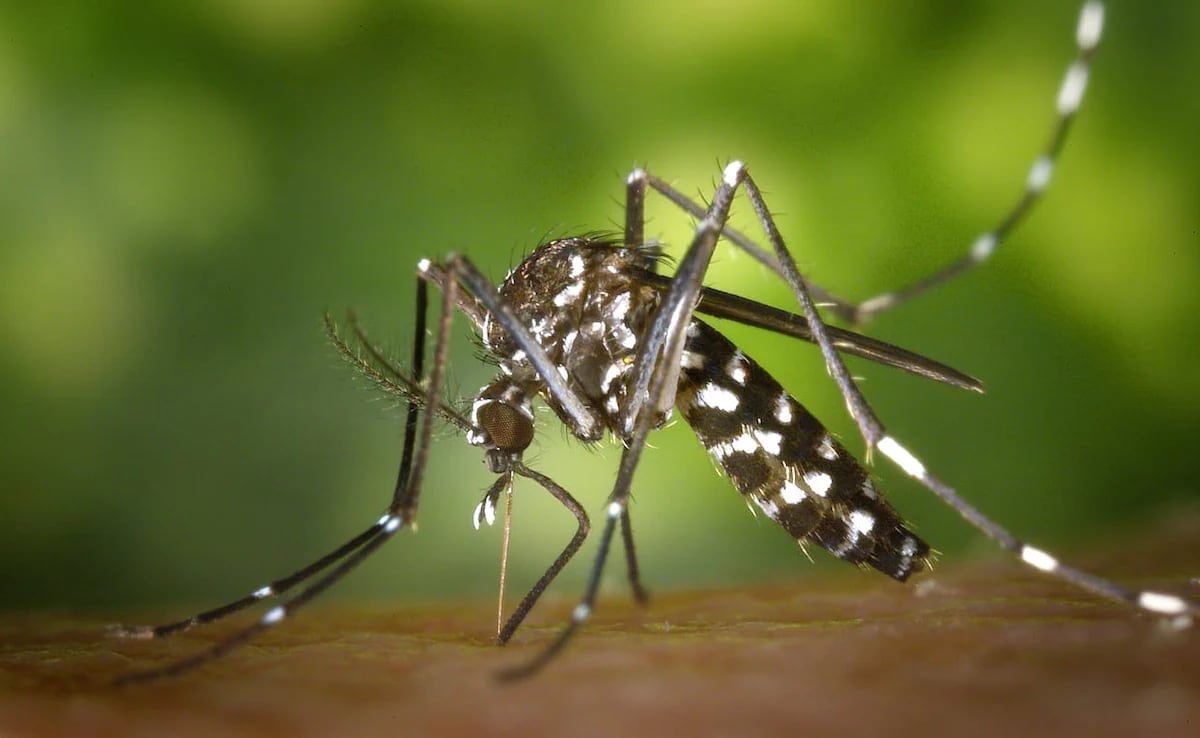
Dengue fever is a mosquito-borne viral infection that can lead to severe flu-like symptoms and, in some cases, can escalate to more serious conditions such as dengue hemorrhagic fever. The Aedes aegypti mosquito, which is prevalent in tropical and subtropical climates, is primarily responsible for the transmission of the virus.
Symptoms of dengue often include high fever, severe headaches, pain behind the eyes, joint and muscle pain, rash, and mild bleeding. While many cases are mild and can be managed with supportive care, severe cases require prompt medical attention.
Health Authorities Respond
In response to the rising cases, health officials in Haryana have intensified their surveillance and control measures. These efforts include increased fogging operations in affected areas, public awareness campaigns on preventive measures, and the distribution of educational materials to inform residents about the symptoms and prevention of dengue.
Local health departments are also urging the public to eliminate mosquito breeding sites by removing stagnant water from containers, cleaning gutters, and ensuring proper waste disposal. Community involvement is crucial in these efforts to curb the spread of the disease.
Preventive Measures for Citizens
Residents are encouraged to take proactive steps to protect themselves and their families from dengue. Here are some effective measures:
- Use mosquito repellents that contain DEET or picaridin.
- Wear long-sleeved clothing and long pants to minimize skin exposure.
- Install screens on windows and doors to keep mosquitoes out of homes.
- Use mosquito nets while sleeping, especially during the day when Aedes mosquitoes are most active.
- Regularly clean and empty containers that can collect water, such as flower pots, buckets, and old tires.
Community Awareness and Education
Community awareness plays a pivotal role in preventing dengue outbreaks. Local governments are working with non-governmental organizations to disseminate information through workshops, seminars, and social media campaigns. By educating the public about the risks associated with dengue and the importance of prevention, health officials hope to reduce the number of cases significantly.
Looking Ahead
As the state continues to grapple with this health crisis, ongoing monitoring and swift response will be essential in controlling the outbreak. The public health system is on high alert, and efforts will be made to ensure that healthcare facilities are equipped to handle any increase in patients presenting with dengue symptoms.
Residents are advised to remain vigilant and to seek medical attention promptly if they experience any symptoms associated with dengue fever. By working together, the community can help reduce the spread of this disease and protect public health.
Comments (0)
Be the first to comment!