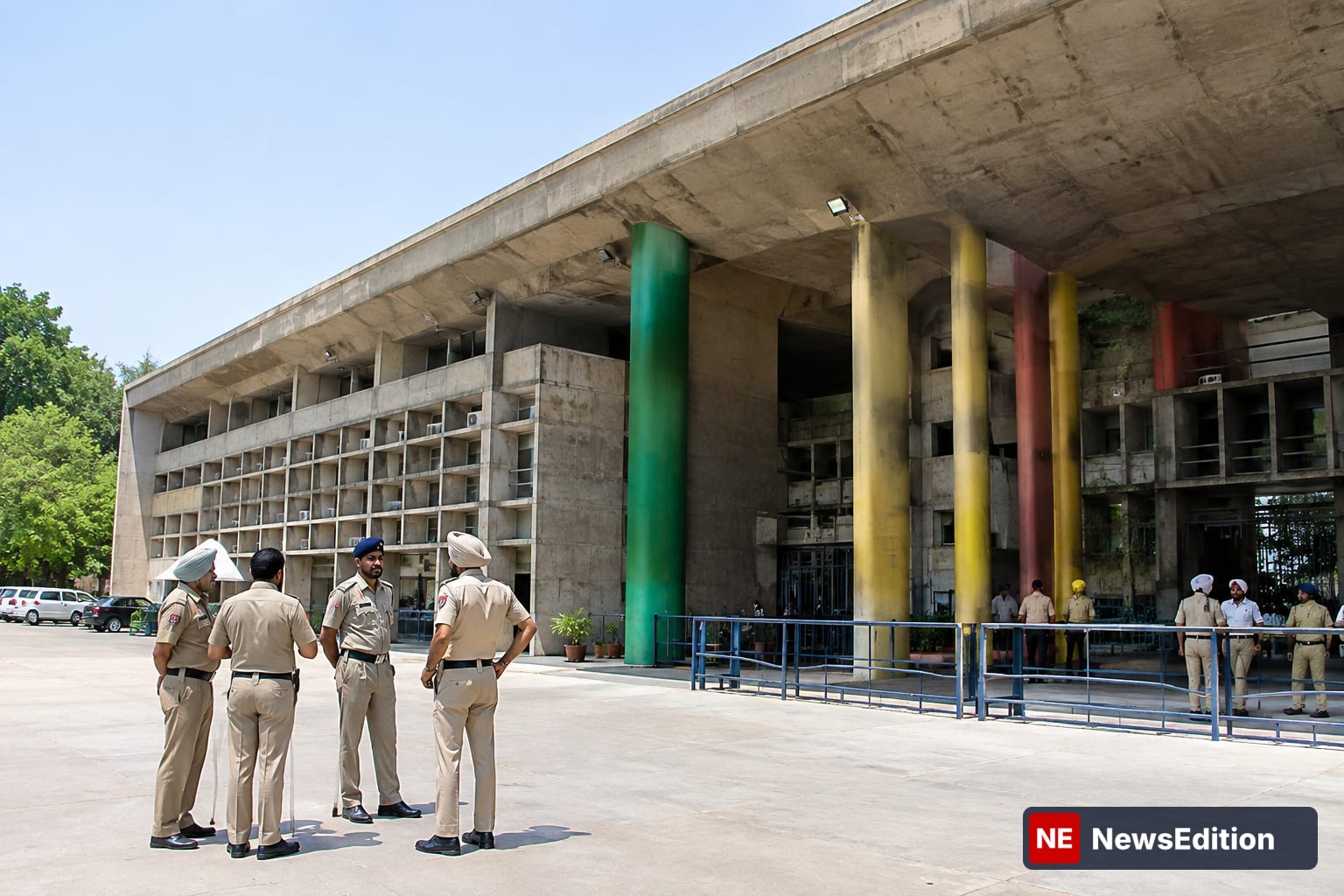
The Punjab and Haryana High Court has rejected the anticipatory bail plea of a police officer accused of demanding Rs 3.5 lakh to settle a criminal case, a decision that underscores the court's stance on corruption allegations involving law enforcement. This ruling directly affects the officer at the centre of the case and signals the judiciary's approach to serious bribery accusations, according to The Indian Express.
Justice Sumeet Goel announced the decision after the accused officer approached the High Court, following an earlier rejection by the sessions court. The officer had sought anticipatory bail after being implicated in a case where he allegedly demanded money from three men to facilitate a compromise in a case he had registered against them in 2024 under various provisions of the Indian Penal Code.
The prosecution alleged that the officer demanded a total of Rs 3.5 lakh from the three accused men. According to the state’s counsel, the officer had not only demanded the bribe but also got a compromise affidavit prepared. However, he reportedly failed to appear before the court to formalize the compromise, raising further questions about his intentions and actions.
The prosecution argued that custodial interrogation was necessary to conduct a fair and effective investigation and to uncover the truth behind the bribery allegations. The court agreed with this position, noting the seriousness of the offences involved and the impact such acts could have on public trust in law enforcement.
What the High Court Ordered and Why
In the detailed order, Justice Goel stated, "It is imperative that every person in the Society can expect an atmosphere free from foreboding & fear of any transgression." The court emphasized that, at this stage, there was no evidence to indicate that a prima facie case was not made out against the petitioner. The material available and the preliminary investigation, the court said, provided a reasonable basis for the accusations.
The petitioner's counsel argued that the allegations were fabricated and pointed out that no actual recovery of the alleged bribe amount had been made. Despite these claims, the state’s counsel strongly opposed the bail plea, reiterating the need for custodial interrogation due to the severity of the charges.
The High Court clarified that the question of whether the officer had been falsely implicated could not be determined at the anticipatory bail stage. Such issues, the court said, would have to be examined based on evidence during the trial. The order highlighted that while considering anticipatory bail, the court must weigh the nature and magnitude of the alleged offence, the role of the accused, and the broader impact on society.
Justice Goel concluded, "In view of the seriousness of the allegations, this Court finds no compelling ground to extend the benefit of discretionary relief to the petitioner. Moreover, custodial interrogation of the petitioner is necessary for an effective investigation & to unravel the truth. The petition is, thus, devoid of merits and is hereby dismissed."
Analysis: What the Denial of Bail Suggests
- This suggests that the Punjab and Haryana High Court is taking a strict stance against alleged corruption within the police force, especially when the accusations are backed by preliminary evidence.
- The reports do not say whether any money was actually recovered, but the court’s focus on the seriousness and societal impact of the allegations indicates that mere accusations, if supported by initial investigation, may be sufficient grounds to deny anticipatory bail.
- The decision leaves open the question of the officer's guilt or innocence, making clear that such determinations will be addressed at trial rather than at the bail stage. This could mean that other officers facing similar charges might also be denied anticipatory relief if the circumstances are comparable.
Next Steps in the Case
With the High Court's dismissal of the bail plea, the officer will now face custodial interrogation as part of the ongoing investigation. The case will proceed to trial, where evidence and detailed arguments from both sides will be examined to determine the officer’s culpability.
Comments (0)
Be the first to comment!