
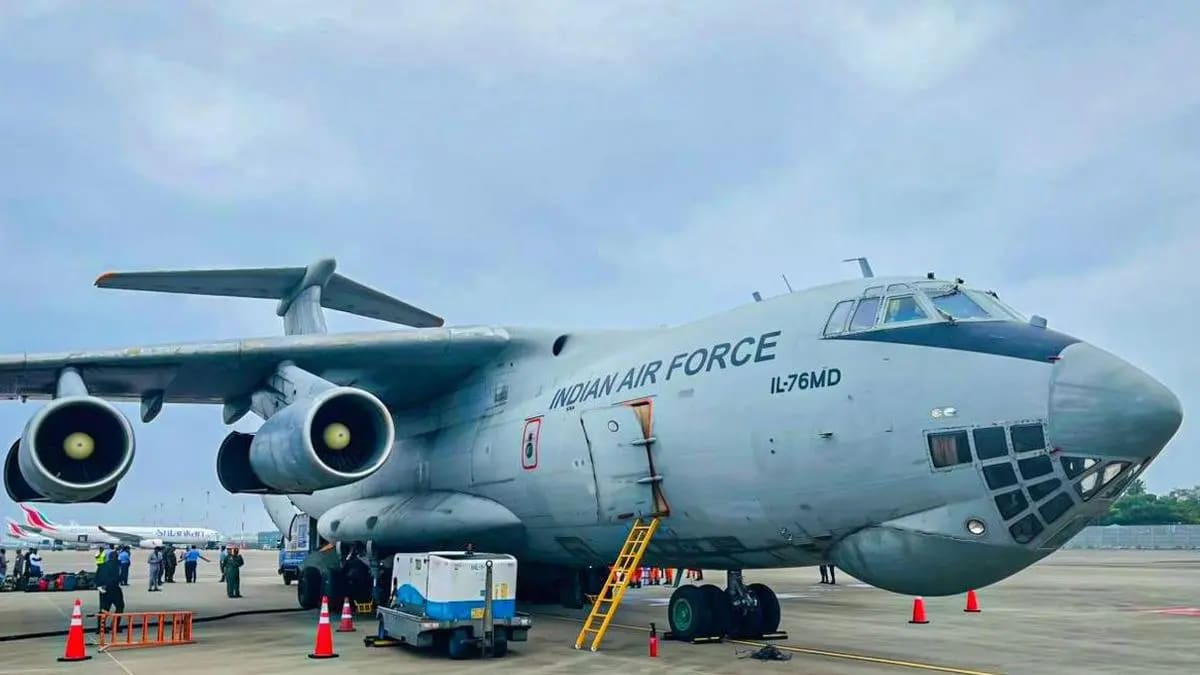
The Indian Air Force (IAF) has marked a significant achievement in aviation history by successfully executing the world's highest-altitude landing near the Line of Actual Control (LAC). This remarkable feat underscores the IAF's commitment to enhancing operational capabilities in challenging environments.
The Historic Landing
The landing took place at an altitude that surpasses previous records in high-altitude aviation operations. This operation not only showcases the IAF's advanced training and technological prowess but also its ability to operate effectively in harsh geographic conditions.
Strategic Importance
The LAC, which serves as the de facto border between India and China, is a critical region for national security. In recent years, the area has seen increased military activity from both sides, making this successful landing particularly strategic. By demonstrating its capabilities in such a sensitive location, the IAF is reinforcing its readiness to respond to any potential threats.
Operational Challenges
Landing at high altitudes presents unique challenges for pilots and aircraft alike, including thinner air that affects engine performance, increased risk of weather-related issues, and the need for specialized training. The IAF’s successful operation indicates that its pilots and ground crew have mastered these challenges, ensuring safe and effective operations in extreme conditions.
Technological Advances
Modern aircraft equipped with advanced navigation and control systems played a vital role in achieving this landing. The IAF has continually invested in upgrading its fleet and training personnel, allowing for such groundbreaking operations. This achievement may also serve as a precursor to future missions that require high-altitude landings in strategic locations.
Future Implications
This historic landing may have broader implications for India's defense posture in the region. It could lead to enhanced logistical capabilities, allowing for quicker deployment of troops and resources to remote areas. Furthermore, it may serve as a signal to neighboring countries about India's commitment to maintaining its territorial integrity and readiness to respond to challenges.
Comments (0)
Be the first to comment!