
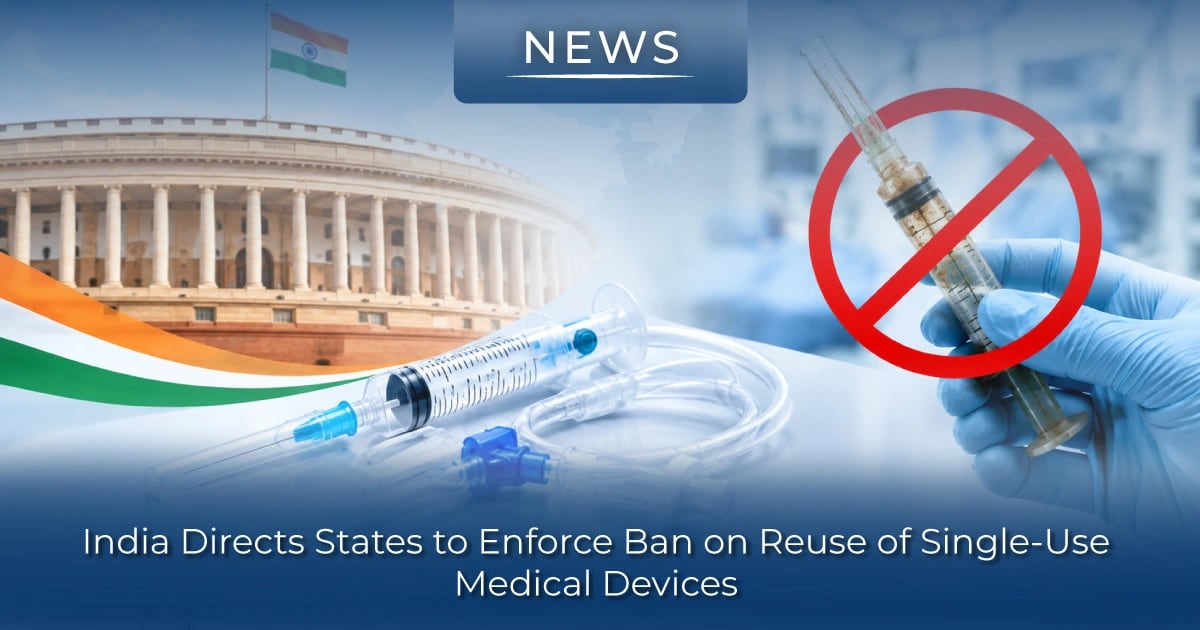
The Indian health services have officially implemented a ban on the reuse of single-use medical devices, a significant move aimed at enhancing patient safety and infection control across healthcare facilities. This decision has sparked discussions about the criteria used to determine what constitutes safe medical practices, particularly in a country that has witnessed a growing debate around healthcare regulations.
Understanding the Ban
Single-use medical devices are designed to be utilized on one patient for a single procedure and then discarded. Common items in this category include syringes, needles, and certain surgical instruments. The reuse of these devices has raised serious health concerns, as it can lead to cross-contamination and the spread of infections.
The ban is part of a broader initiative by the Indian healthcare system to address the challenges posed by inadequate sanitation and the need for stringent infection control measures. The Ministry of Health and Family Welfare has emphasized that this regulation is crucial for protecting patients and ensuring that healthcare providers adhere to best practices.
Who Determines Safety Standards?
While the ban on reuse is now in place, questions remain about who is responsible for establishing safety standards in the healthcare sector. The regulatory framework in India involves various stakeholders, including government agencies, professional medical associations, and international health organizations.
The Central Drugs Standard Control Organization (CDSCO) plays a pivotal role in regulating medical devices, ensuring that products are safe and effective before they reach the market. However, the decision-making process regarding the safety and efficacy of medical devices often involves extensive research and consultation with experts in the field.
Challenges in Implementation
Despite the clear directive, the enforcement of the ban may face challenges. Many healthcare facilities, especially those in rural areas, might lack the resources to comply fully with the new regulations. There is also concern about the potential financial implications for healthcare providers, who may need to invest in new equipment and training to ensure compliance.
Moreover, the healthcare community has raised concerns regarding the availability of single-use devices, as supply chain issues can hinder access to these essential items. The government may need to facilitate better supply chains to ensure that all healthcare facilities can obtain the necessary equipment.
Public Health Implications
The move to ban the reuse of single-use medical devices is not just a regulatory measure but a public health strategy. By reducing the risk of infections, the government aims to improve overall health outcomes and reduce the burden on the healthcare system. Infections acquired in healthcare settings can lead to longer hospital stays and increased healthcare costs, which the new regulation seeks to mitigate.
In addition to the ban, the government is expected to launch awareness campaigns targeting both healthcare providers and the general public about the importance of adhering to safety regulations regarding medical devices.
Directions
As India navigates the complexities of healthcare regulation, ongoing dialogue among stakeholders will be essential. Regular reviews of the policies and their impact on public health will ensure that the regulations remain relevant and effective. Collaboration between government bodies, healthcare professionals, and industry players will be crucial in making the healthcare system safer for all.
Comments (0)
Be the first to comment!