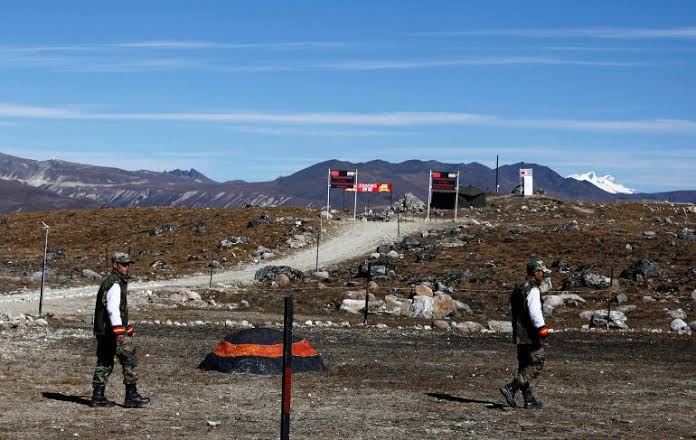
In a significant move reflecting its strategic priorities, India is investing heavily in the development of its border infrastructure with China. This initiative comes at a time of heightened tensions between the two nations, particularly following confrontations in the Himalayan region.
Strategic Importance of the Indo-China Border
The India-China border, which spans over 3,400 kilometers, has been a site of disputes and military skirmishes for decades. The most notable recent incident occurred in June 2020, when clashes in the Galwan Valley resulted in casualties on both sides. Since then, India has recognized the need to bolster its defenses and infrastructure along this sensitive border.
Investment in Infrastructure
Reports indicate that the Indian government is channeling substantial financial resources into the construction of roads, bridges, and other essential facilities in border areas. This initiative aims to enhance connectivity for military logistics and civilian movement, thereby improving the overall security framework in the region.
Key projects include:
Building all-weather roads to facilitate troop movement.
Constructing bridges over challenging terrains and rivers.
Establishing new border posts and surveillance systems.
Additionally, the government is focusing on the development of infrastructure not only for military purposes but also to support local communities. Improved roads and facilities are expected to enhance access to education, healthcare, and economic opportunities for residents living in these remote areas.
Political Context
The border infrastructure push comes in the wake of a broader geopolitical strategy by India to assert its presence in the region. The Indian government, under Prime Minister Narendra Modi, has emphasized the importance of national security and self-reliance in defense capabilities. This shift is part of a larger narrative that seeks to counter China's growing influence in Asia.
Moreover, the relationship between India and China has been complicated by various factors, including China's assertiveness in the South China Sea, its Belt and Road Initiative, and border disputes not only with India but also with other neighboring countries. As such, India’s border infrastructure development can be seen as a proactive measure to deter any potential aggression from China.
Challenges Ahead
While the efforts to enhance border infrastructure are commendable, they are not without challenges. The rugged terrain along the Indo-China border poses significant engineering difficulties, which can delay construction timelines and increase costs. Additionally, environmental concerns related to construction in sensitive ecological zones may arise, necessitating careful planning and mitigation strategies.
Furthermore, there is the ongoing challenge of local community relations. Engaging with indigenous populations and ensuring that development projects meet their needs is crucial. Failure to do so could lead to unrest and opposition to government initiatives.
Inference
India's substantial investment in its border infrastructure with China reflects a clear recognition of the strategic imperatives posed by its northern neighbor. While this initiative is essential for national security, it also signifies a commitment to fostering development in border areas. As India navigates the complexities of its relationship with China, the success of these infrastructure projects will play a pivotal role in shaping the future dynamics of the region.
Comments (0)
Be the first to comment!