
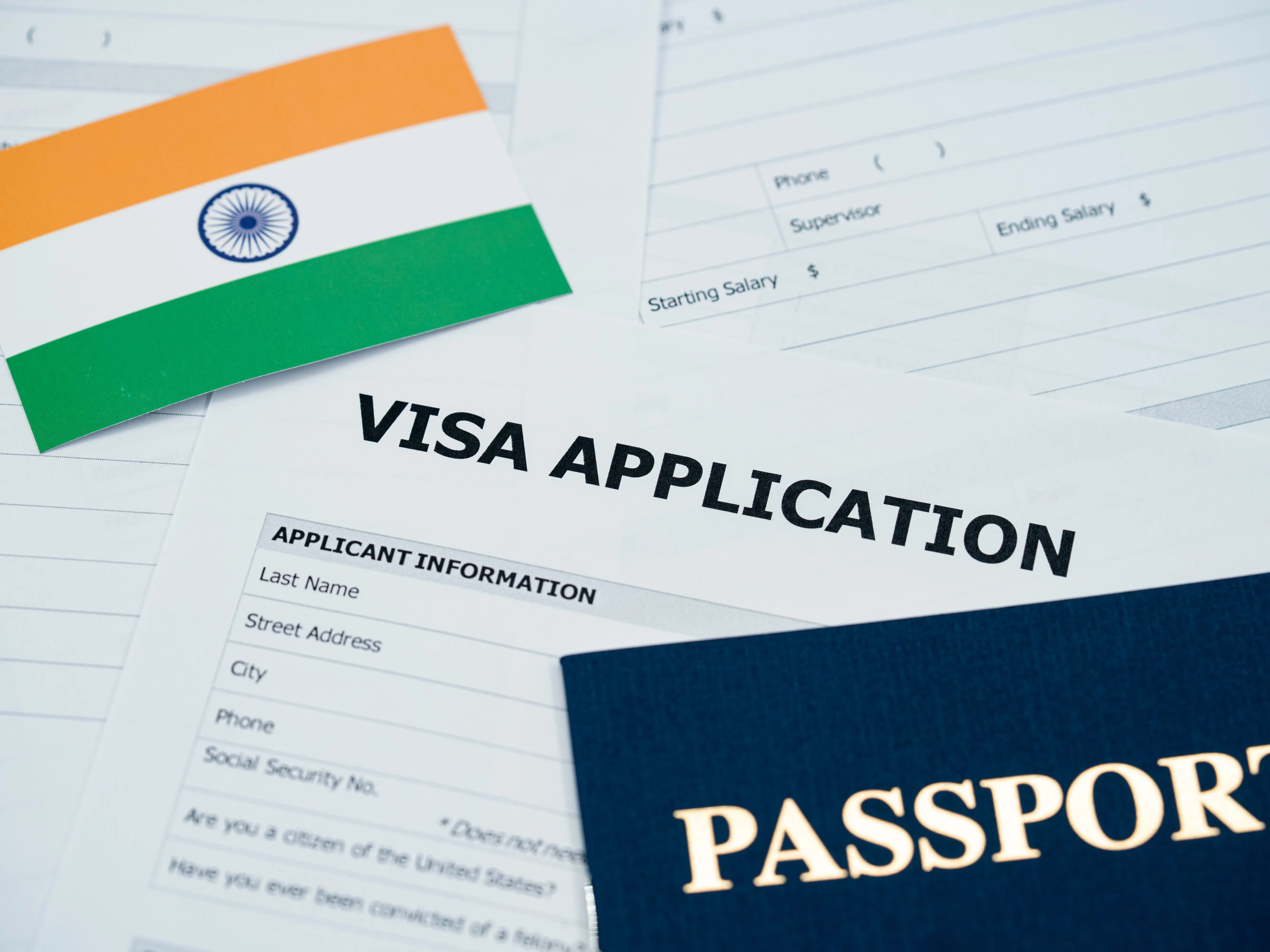
The Indian government has announced a significant overhaul of its visa system, aimed at simplifying travel for both domestic and international visitors. By reducing the number of visa categories, authorities hope to make the process more straightforward and accessible for travelers.
Details of the Visa Reduction
In a move to streamline the visa application process, India has cut down the number of visa categories from the previous extensive list to a more manageable selection. This initiative is part of a broader strategy to enhance tourism and business travel in the country, making it easier for individuals to visit India for various purposes.
Objectives Behind the Change
The primary objective of this reduction is to create a more user-friendly visa experience. By consolidating visa types, the government aims to minimize confusion for applicants and reduce waiting times for processing. This is particularly important as global travel continues to recover from the impacts of the COVID-19 pandemic.
Impact on Travelers
The simplification of the visa system is expected to have several positive outcomes for travelers:
- Faster Processing: With fewer categories to navigate, the processing time for visa applications is anticipated to decrease.
- Increased Clarity: A streamlined system will provide clearer guidelines for applicants, reducing the likelihood of errors in submissions.
- Boost in Tourism: Making travel easier is likely to attract more tourists, contributing to the country's economy.
Reactions from Stakeholders
Industry experts and travel agencies have largely welcomed the news, viewing it as a positive step towards promoting India as a travel destination. Many stakeholders believe that a simplified visa process can significantly enhance the country’s appeal to foreign visitors.
Additionally, business leaders have expressed optimism that easier access to India will encourage international investment and facilitate business travel, thereby fostering economic growth.
Future Prospects
As the Indian government rolls out these changes, it will be essential to monitor their effectiveness and gather feedback from travelers. Continuous improvement based on user experience will be vital in ensuring that the new system meets the needs of all applicants.
Furthermore, the government may consider implementing digital solutions to support the visa application process. Innovations such as online applications and real-time tracking could further enhance convenience for users.
Conclusion
The reduction in visa categories represents a significant step forward in India's efforts to improve its travel and tourism landscape. By prioritizing ease of access, the government is not only aiming to boost its economy but also enhance its global standing as a welcoming destination for travelers.
As these changes take effect, stakeholders will be closely watching their impact on travel trends and the overall visitor experience in India.
Comments (0)
Be the first to comment!