
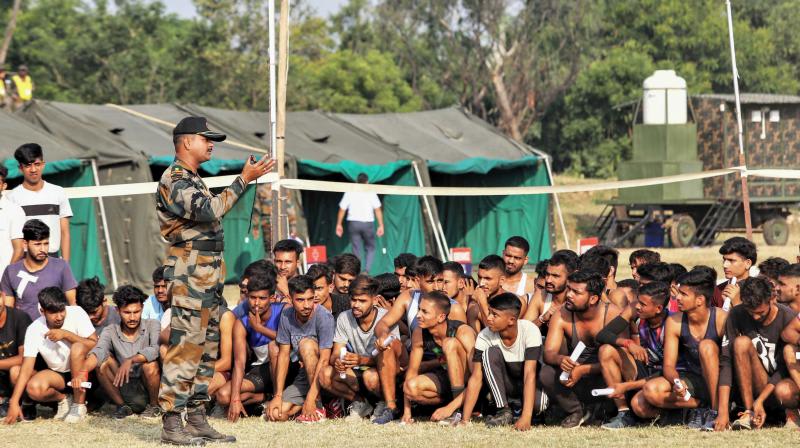
The Agniveer scheme, a recent initiative by the Indian armed forces aimed at recruiting soldiers on a short-term basis, is reportedly being reassessed by the government. Launched in 2022, the program has faced mixed reactions since its inception, leading to discussions about its future viability and effectiveness.
Background of the Agniveer Scheme
The Agniveer scheme was introduced as a means to enhance the youth's participation in the armed forces while addressing issues of overstaffing and expenditure. This program allows individuals aged between 17.5 to 21 years to enlist for a four-year term, with the possibility of retaining a portion of the recruits based on performance and the needs of the military.
With a focus on modernizing the military and attracting a younger demographic, the Agniveer initiative was designed to bring in fresh talent while also providing participants with vocational training and financial benefits upon completion of their service. However, the scheme has sparked debates regarding its implications for the army's long-term operational capabilities.
Challenges and Criticism
Since its rollout, the Agniveer scheme has encountered significant challenges. Critics argue that the short-term nature of the contract may hinder the development of essential skills and cohesion among troops, which are critical in military settings. Furthermore, there have been concerns about the potential impact on the morale and effectiveness of seasoned soldiers, as well as the risks of a transient workforce.
Protests have erupted in various parts of the country, with many aspiring recruits expressing dissatisfaction with the scheme’s structure. Some potential candidates have voiced their fears about job security and the lack of a clear career path in the military post-service.
Government's Response
In response to the growing concerns, government officials have indicated that the Agniveer scheme is under review. This reassessment aims to address the criticisms and enhance the program's framework to better serve both the military and the recruits. Officials have emphasized that the primary objective remains to strengthen national security while also providing meaningful opportunities for young individuals.
Discussions are ongoing about the potential adjustments to the program, with stakeholders from the defense ministry, military leaders, and external advisors participating in the dialogue. The government is reportedly considering feedback from various sectors, including veterans and military analysts, to inform its decisions.
Future of Military Recruitment in India
The future of military recruitment in India may see significant changes depending on the outcomes of the ongoing review. The Agniveer program could either be restructured to address the concerns raised or replaced with a more traditional recruitment model that emphasizes longer service terms.
As the government navigates these complexities, it remains committed to ensuring that India's armed forces are well-equipped to meet modern security challenges. The balance between meeting immediate manpower needs and cultivating a dedicated, skilled military workforce will be crucial in shaping the future of defense recruitment strategies.
Comments (0)
Be the first to comment!