
Introduction to the Electoral Overhaul
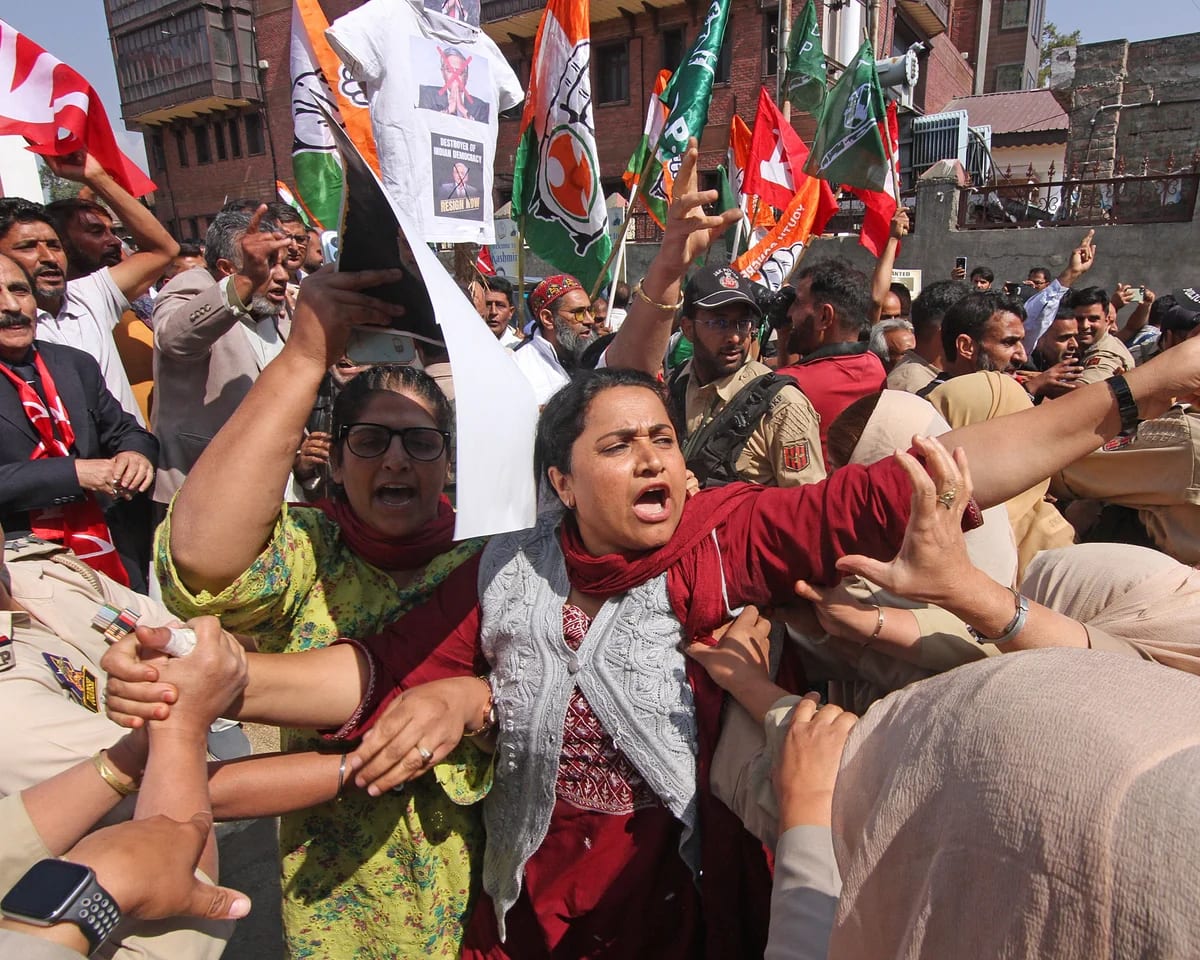
The recent electoral reform in India has sparked significant debate and concern, particularly due to the removal of approximately 130 million voters from the electoral rolls. This has raised questions about the integrity of the electoral process and the implications for democracy in the country.
Context of the Reform
The Indian electoral system, overseen by the Election Commission of India (ECI), is responsible for conducting free and fair elections. The recent overhaul is part of ongoing efforts to update and streamline the electoral rolls, a process that is necessary to ensure that the voter lists are accurate and reflect the current demographic reality.
With the population constantly changing due to factors such as migration, death, and changes in residency, it is essential for electoral rolls to be regularly updated. However, the scale of the recent removals has raised eyebrows among experts and political analysts, leading to concerns about potential disenfranchisement.
The Reasons Behind the Removal
The ECI has stated that the removal of voters was a necessary step aimed at eliminating duplicates, deceased individuals, and those who have moved out of their registered constituencies. This action is intended to prevent voter fraud and ensure that only eligible voters participate in elections.
However, critics argue that the process was not sufficiently transparent and that many legitimate voters may have been removed without their knowledge. This raises concerns about the accessibility of the electoral process, particularly for marginalized communities who may already face barriers in participation.
Impact on Voter Participation
The removal of such a large number of voters could have significant implications for future elections. Political parties are concerned about how this will affect their voter base, especially in key constituencies where every vote counts. Moreover, there is apprehension that this could lead to lower voter turnout if individuals are unaware of their removal or face difficulties re-registering.
Organizations advocating for voting rights have called for a review of the process, emphasizing the need for clear communication and assistance for voters who may need to verify their status or re-register. They argue that ensuring voter access is fundamental to a healthy democracy.
Government Response and Future Considerations
The government has defended the electoral reform as a necessary modernization effort, asserting that the integrity of the electoral process is a top priority. They have promised to enhance outreach efforts to inform citizens about the changes and the steps needed to ensure their eligibility to vote.
Moving forward, it will be important for the ECI to establish robust mechanisms for voter education and engagement. This includes clear guidelines on how individuals can check their voter status and the process for re-registration. Additionally, maintaining transparency throughout the electoral process will be critical in restoring public trust.
Conclusion
The recent overhaul of India's electoral rolls, while aimed at improving the electoral system, has raised significant concerns regarding voter disenfranchisement. As the country prepares for upcoming elections, the focus will need to shift towards ensuring that all eligible voters are accounted for and that the electoral process remains inclusive and accessible. The steps taken in the coming months will be crucial in shaping the future of democracy in India.
Comments (0)
Be the first to comment!