
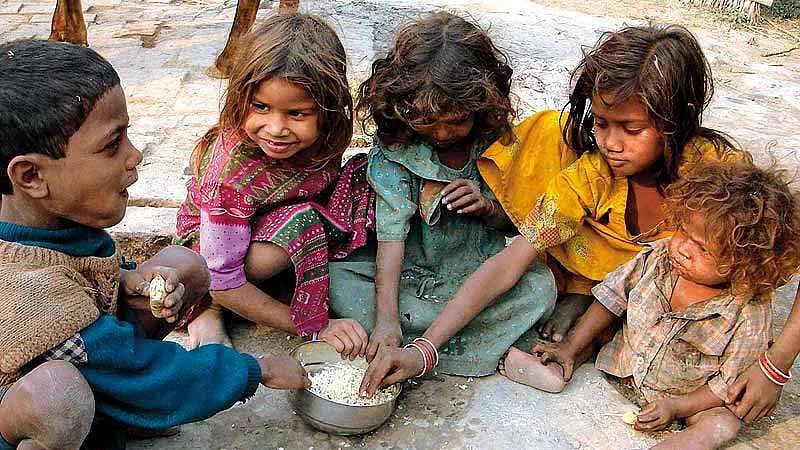
In recent years, India has made significant strides in reducing poverty, lifting approximately 500 million people above the poverty line. This achievement, however, is accompanied by rising concerns about increasing inequality within the country. The dual narrative of poverty alleviation alongside deepening divides presents a complex picture of India's socio-economic landscape.
Progress in Poverty Alleviation
India's journey towards reducing poverty has been marked by various government initiatives and economic reforms. Over the past two decades, the country has experienced substantial economic growth, which has been instrumental in improving living standards for millions. The introduction of programs aimed at enhancing access to education, healthcare, and employment opportunities has played a crucial role in this transformation.
Factors contributing to the reduction in poverty include the expansion of social welfare schemes, financial inclusion efforts, and investment in rural infrastructure. The Pradhan Mantri Awas Yojana, for instance, has provided affordable housing for the economically weaker sections, while initiatives like the Mahatma Gandhi National Rural Employment Guarantee Act (MGNREGA) have ensured job security for rural households.
The Inequality Challenge
Despite the impressive numbers, the rising inequality poses a significant challenge to sustainable development. Wealth distribution in India has become increasingly skewed, with a small percentage of the population holding a disproportionate share of resources. Reports indicate that the wealthiest individuals have seen their fortunes grow while the poorest continue to struggle, particularly in the wake of economic shocks from the COVID-19 pandemic.
This growing divide raises questions about the inclusiveness of India's economic growth. Many individuals who have recently escaped poverty remain vulnerable to falling back due to job insecurity, inflation, and inadequate access to quality education and healthcare.
Government Responses and Reforms
In response to the challenges posed by inequality, the Indian government has initiated various reforms aimed at creating a more equitable society. Initiatives focused on skill development, entrepreneurship, and support for small businesses are being emphasized to foster economic resilience among disadvantaged groups.
Furthermore, the government is exploring taxation reforms aimed at increasing revenue from the wealthiest segments of society. The idea is to redistribute resources more effectively to fund public services that benefit the lower and middle classes.
Global Comparisons and Lessons
India's experience in poverty reduction offers valuable lessons for other developing nations facing similar challenges. The emphasis on inclusive growth, where economic benefits reach all strata of society, is vital for sustainable development. Global organizations have highlighted the importance of policies that specifically target inequality, advocating for a holistic approach that combines economic growth with social equity.
Countries that have successfully reduced poverty have often implemented a mix of social protection measures and economic empowerment strategies. These include investing in education, improving healthcare access, and promoting gender equality to ensure that all individuals can contribute to and benefit from economic progress.
Looking Ahead
As India continues its journey towards becoming a global economic powerhouse, addressing the issue of inequality will be crucial. The country must strike a balance between fostering economic growth and ensuring that the benefits are shared. Policymakers are challenged to create an environment where the most vulnerable are not left behind, fostering a society where everyone has the opportunity to thrive.
Comments (0)
Be the first to comment!