
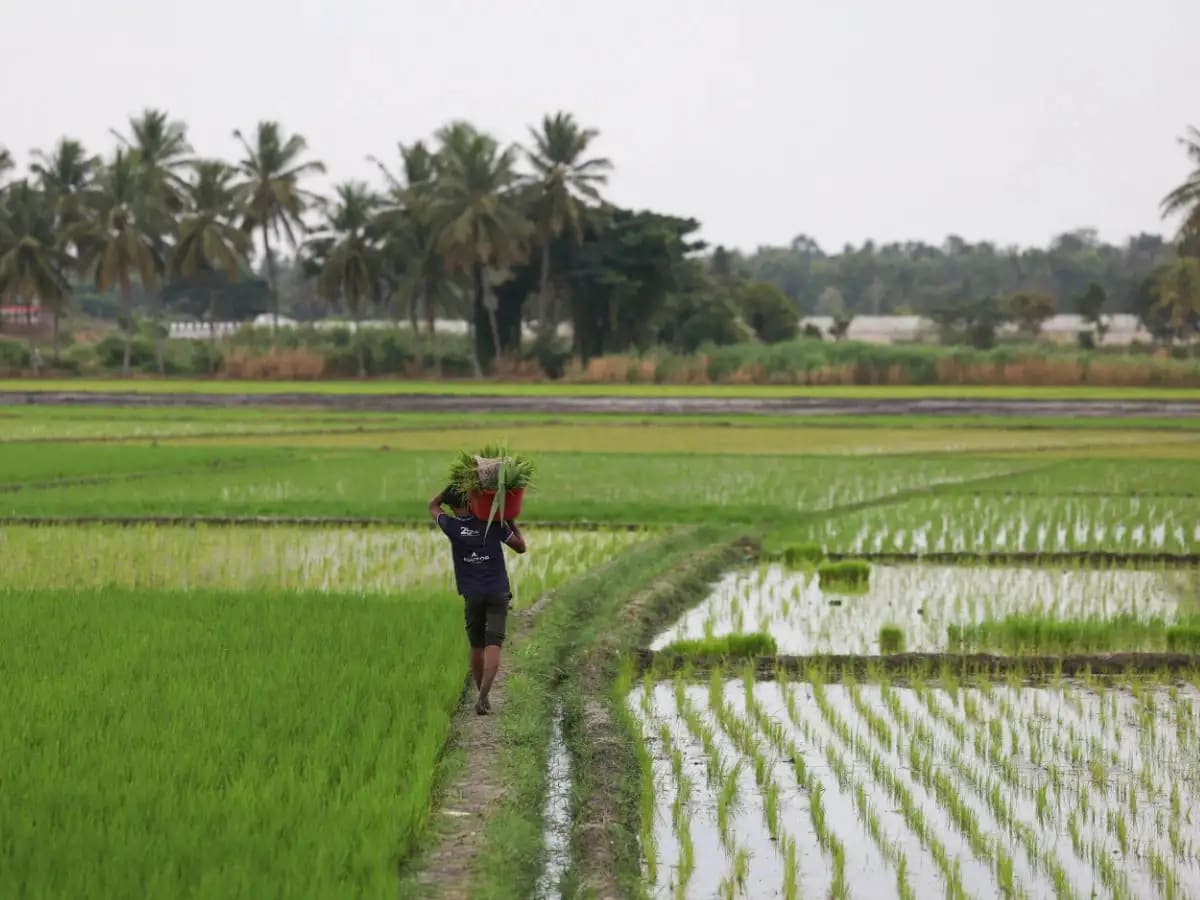
India has established itself as one of the leading producers of rice in the world, contributing significantly to the global supply of this staple food. With favorable climatic conditions, a vast agricultural landscape, and a dedicated farming community, the nation has transformed into a rice powerhouse. However, this success story comes with its own set of challenges that could impact the sustainability of rice production in the country.
India's Agricultural Landscape
Rice cultivation in India is deeply rooted in its agricultural practices, with the crop being a primary food source for millions. The country is home to various rice-growing regions, from the fertile plains of Punjab and Haryana to the wetlands of West Bengal and the coastal areas of Tamil Nadu. The diversity in geography allows for different rice varieties to flourish, catering to both domestic consumption and export markets.
Factors Contributing to Success
Government Support: The Indian government has implemented various policies to promote rice production, including subsidies, research initiatives, and fair pricing mechanisms.
Technological Advancements: Modern agricultural techniques and the adoption of high-yielding varieties have significantly increased productivity.
Investment in Irrigation: Improved irrigation infrastructure has enhanced water availability, allowing for more consistent farming practices.
Export and Economic Implications
India's status as a leading rice exporter has boosted its economy, providing livelihoods for millions of farmers and contributing to rural development. In recent years, the country has expanded its markets, exporting rice to regions including Africa and the Middle East. This economic growth, however, raises concerns about over-reliance on rice production and its implications for food security.
Environmental Concerns
While India's rise in rice production is commendable, it has led to significant environmental issues. Intensive rice farming often requires substantial water resources, leading to depletion of groundwater levels in many regions. Additionally, the heavy use of fertilizers and pesticides has raised questions about soil health and biodiversity.
Climate Change Threats
Climate change poses another significant challenge to rice production in India. Fluctuating weather patterns, increased instances of drought, and erratic rainfall can adversely affect crop yields. Farmers are now faced with the dual challenge of maintaining production levels while adapting to these changing environmental conditions.
Future Directions
To ensure the sustainability of rice production, India must adopt more environmentally-friendly agricultural practices. This includes promoting water conservation techniques, implementing crop rotation, and investing in research for climate-resilient rice varieties. Additionally, diversifying crops can help reduce dependency on rice and enhance food security.
Comments (0)
Be the first to comment!