
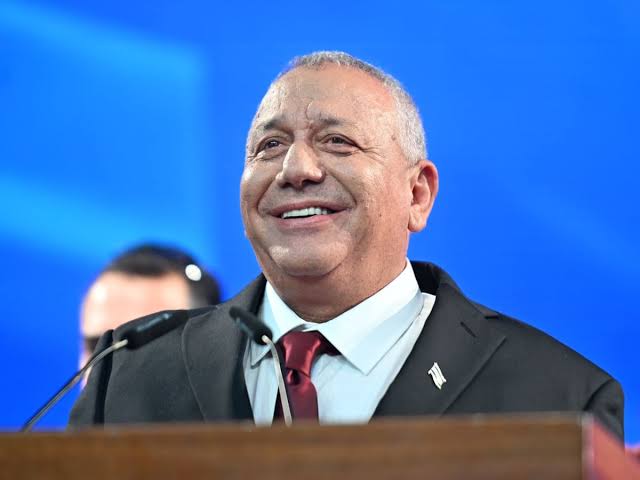
In a significant political development, Israeli President Isaac Herzog has tasked former army chief Benny Eisenkot with the responsibility of forming a new government. This decision comes in the wake of ongoing political turmoil and the challenges faced by the current administration led by Prime Minister Benjamin Netanyahu.
Background of the Political Landscape
Israel's political scene has been marked by instability, particularly following the recent elections where no clear majority emerged. Netanyahu, who has been a dominant figure in Israeli politics for over a decade, has found his position increasingly precarious amid allegations of corruption and divisions within his coalition government.
Eisenkot, who previously served as the Chief of Staff of the Israel Defense Forces (IDF), is seen as a fresh alternative to Netanyahu. His appointment reflects a shift in the political narrative as Israel grapples with pressing social and economic issues, along with a need for a more unified governance approach.
Eisenkot's Political Journey
Benny Eisenkot transitioned from military to politics, entering the fray as a member of the Israeli Knesset. His reputation as a respected military leader has garnered him support across various segments of the population. Eisenkot’s leadership style is often characterized by pragmatism and a focus on dialogue, which may appeal to voters seeking stability in these turbulent times.
The former general has publicly criticized Netanyahu's approach to governance, particularly regarding the handling of security issues and internal divisions. His military background may lend credibility to his capabilities in addressing ongoing security threats facing Israel, while also fostering a more inclusive political environment.
Challenges Ahead for Eisenkot
Despite the optimistic outlook that some may have regarding Eisenkot's appointment, he faces significant challenges in forming a government. The current political climate is fraught with divisions among various factions, including right-wing parties that have traditionally supported Netanyahu.
Eisenkot must navigate these complex dynamics while also addressing the pressing needs of the Israeli populace, including economic recovery post-pandemic, social justice issues, and a renewed focus on peace initiatives with Palestinian authorities. His ability to build coalitions will be critical in establishing a stable government.
Reactions to the Appointment
The political community in Israel has responded with a mix of skepticism and hope regarding Eisenkot’s potential to lead. Some analysts argue that his military background could help restore public faith in government institutions, while others caution that the entrenched interests of various political factions may undermine his efforts.
Supporters of Eisenkot emphasize the need for a leader who can prioritize national security while also fostering unity among Israel's diverse population. Conversely, critics point to the challenges of balancing the demands of various political parties and the expectations of the electorate.
The Path Forward
As Eisenkot embarks on this critical mission, the eyes of the nation—and indeed the world—will be on him. His ability to successfully form a government could redefine Israel's political landscape and set the tone for future governance. The coming weeks will be pivotal in determining whether he can unite the fractured political factions and address the myriad challenges facing the country.
Comments (0)
Be the first to comment!