
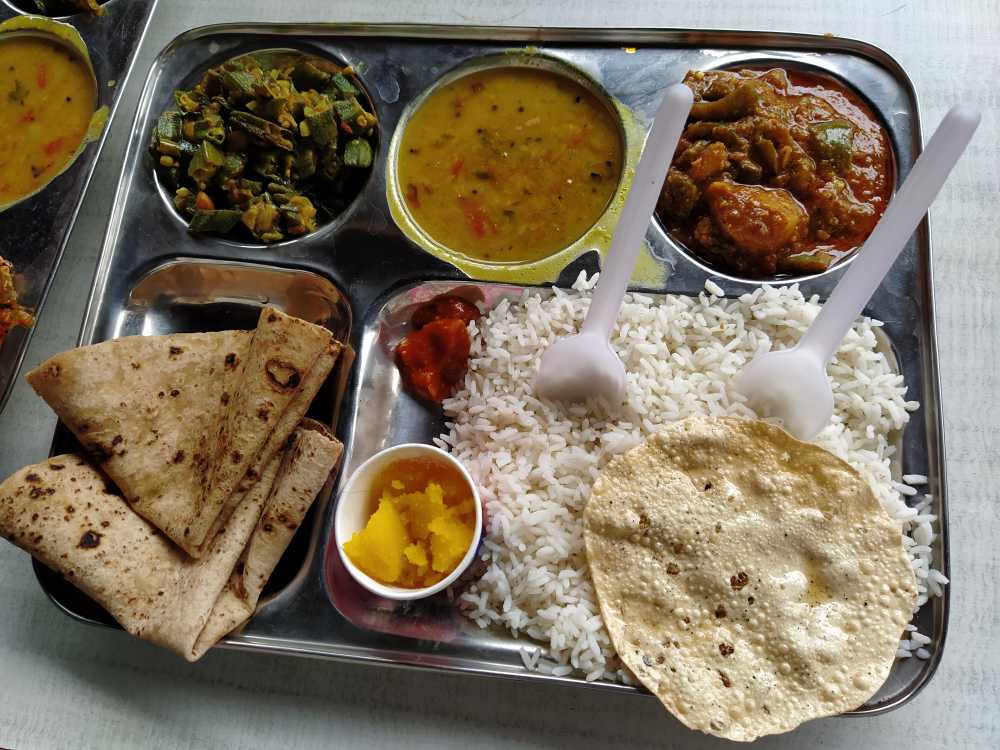
In light of the ongoing global fuel shortage, the Odisha government has issued a directive to colleges across the state, advising them to minimize the serving of deep fried foods in their canteens. This initiative aims to address both health concerns and the economic implications of rising fuel prices that affect food preparation.
The Context of the Directive
The directive comes during a time when many nations are grappling with fuel supply issues, which have been exacerbated by various global events, including the lingering effects of the COVID-19 pandemic and geopolitical tensions. The rising cost of fuel not only impacts transportation and logistics but also heavily influences food preparation processes, particularly for items that require extensive frying.
Deep frying is energy-intensive and has been flagged as an unsustainable practice in the current climate. The Odisha government’s move to curb deep fried food in educational institutions reflects a growing awareness of the need to adapt to changing circumstances and promote healthier eating habits among students.
Health Implications
Health experts have long warned about the negative impacts of consuming excessive deep fried foods, which are often high in unhealthy fats and calories. By reducing the availability of such foods in college canteens, the Odisha government aims to encourage students to make healthier dietary choices.
The directive aligns with national health campaigns that advocate for improved dietary habits among young people. By promoting the consumption of healthier alternatives, the state hopes to combat rising obesity rates and related health issues among the youth population.
Implementation Challenges
While the intent behind the directive is positive, implementing such a policy may present challenges for colleges. Many canteen operators may be reluctant to change their menus due to established demand for fried foods. Additionally, the transition to healthier options may require an investment in staff training and new kitchen equipment.
Colleges may need to conduct workshops or informational sessions to educate students about the benefits of consuming less fried food and the importance of a balanced diet. Effective communication will be key in ensuring that students understand and support the changes.
Potential Alternatives
In place of deep fried items, colleges are encouraged to explore a variety of alternative cooking methods. These may include:
Grilling: A healthier option that retains flavor while reducing fat content.
Baking: This method can produce crispy textures without the added oil.
Steaming: A cooking technique that preserves nutrients and enhances natural flavors.
By adopting these methods, colleges can create menus that are both appealing and nutritious, helping to foster a culture of health-conscious eating among students.
Broader Implications for Food Policies
The directive from Odisha’s education department is part of a larger trend in India where state and local governments are increasingly prioritizing health and sustainability in food policies. Similar initiatives have been observed in other regions, where schools and colleges are being encouraged to provide healthier meal options.
This shift in policy is not just about immediate health benefits; it also reflects a broader commitment to environmental sustainability. By reducing reliance on energy-intensive cooking methods, institutions can contribute to the reduction of carbon footprints associated with food preparation.
Community Response
The response from the community has been mixed. While many health advocates support the initiative, some students and parents express concern over the sudden change in food options. Many students enjoy traditional fried snacks and may find it difficult to adjust to new menu items.
To mitigate pushback, colleges may engage in discussions with students and parents to better understand their preferences and incorporate their feedback into menu planning. Creating a collaborative environment can help ease the transition and foster acceptance of healthier options.
Future of Food Policy in India
The Odisha directive can serve as a blueprint for other states looking to address similar challenges related to food health and sustainability. As global fuel shortages continue to pose difficulties, the Indian government may need to adopt more comprehensive policies that not only address immediate concerns but also promote long-term health and sustainability goals.
Future policies could include more robust support for local farmers who cultivate healthier food options, as well as initiatives to educate the public about nutrition and sustainable eating practices.
Comments (0)
Be the first to comment!