
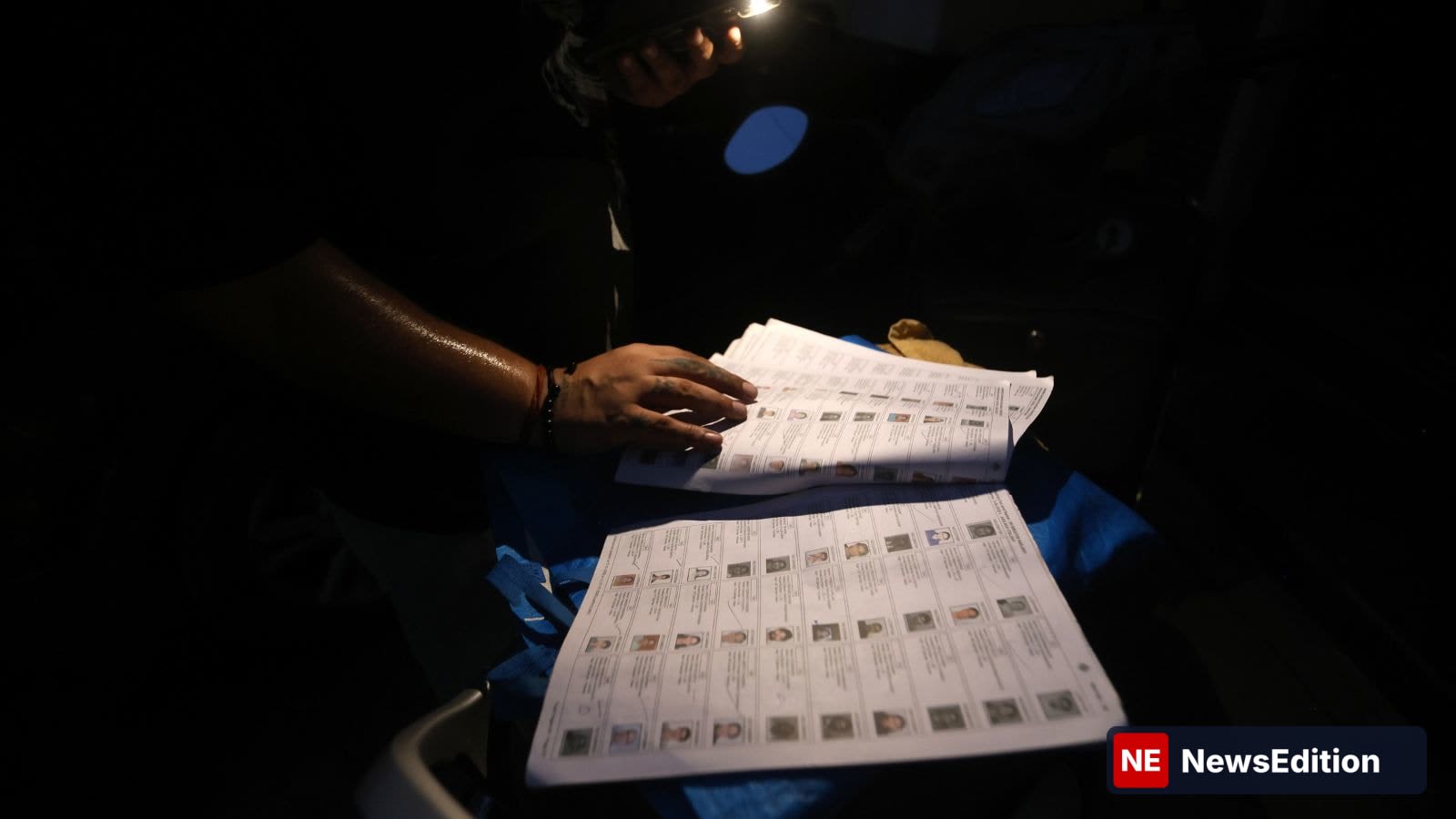
Of the 14,567 Bhusawal voter deletion applications submitted in Maharashtra’s Jalgaon district, only 74 were found valid after a detailed inquiry, affecting thousands of voters in an assembly seat represented by BJP minister Sanjay Savkare. The mass filing and subsequent scrutiny have sparked debate on the integrity of the electoral roll revision process, according to The Indian Express and Scroll.in.
The controversy began when 186 individuals submitted bulk Form 7 applications seeking to remove 14,567 names from the Bhusawal Assembly constituency’s electoral rolls. Form 7 is the official application for objecting to the inclusion of a name or requesting the deletion of an existing voter. The issue was first raised by Congress’s local booth level agent Munawwar Khan, who questioned the acceptance of such a large number of offline objections and demanded an investigation into possible malicious intent.
Following these complaints, the Jalgaon district administration initiated an inquiry. According to an official report cited by The Indian Express, 21 of the objectors voluntarily withdrew 2,532 objections through written applications. For the remaining objections, authorities issued individual notices to those who filed them and published a public notice in a newspaper on November 5, 2026, urging objectors to submit supporting evidence.
A thorough verification process was conducted, involving physical spot inspections and detailed scrutiny by Booth Level Officers (BLOs). After this review, only 74 voters were deemed eligible for deletion from the rolls. The official order dated November 17, 2026, from the Sub-Divisional Officer and Electoral Registration Officer, stated that all 14,567 objections had been processed according to the legal procedure. The order also warned that "legal action will be taken against individuals filing objections with malicious intent." The rest of the objections were dismissed and the process for removing the 74 valid cases was initiated as per election rules.
Officials explained that the bulk of the forms were submitted by post, making it difficult to verify the identity of the objectors before accepting the forms. "Once we received the forms and scrutinised them, due process was followed. Since we followed the procedure, held hearings and disposed of malicious objections, only 74 have been accepted," a senior official from the state Chief Electoral Officer’s office told The Indian Express.
The Election Commission of India (ECI) had previously addressed the issue of bulk Form 7 submissions, which can create inconvenience for voters. In October 2026, the ECI instructed Chief Electoral Officers in all states and Union Territories to limit individuals to submitting a maximum of 10 Form 7 applications during the claims and objections period, and five per month during the continuous roll update.
Concerns about voter rights and official response
Congress representative Munawwar Khan, who brought the mass submission to light, said that after his complaint, authorities traced some of the individuals who allegedly filed objections and found that many denied having signed the Form 7 applications. He called for a more detailed investigation into the matter.
Scroll.in reported that since the start of the exercise, there have been concerns that the revision could result in genuine voters being removed from the rolls, potentially influencing electoral outcomes. The issue has drawn national attention, with the Supreme Court of India on October 30 instructing the Election Commission in Uttar Pradesh to take "corrective steps" against mass Form 7 filings. Similar directives have been issued in Telangana and Karnataka, where chief electoral officers have taken action against misuse of Form 7.
Despite the Supreme Court upholding the legality of the revision process in May, it clarified that the Election Commission cannot use the process to decide on a person's citizenship status. According to Scroll.in, in some BJP-ruled states, those whose names were deleted from the rolls have faced further consequences, such as being denied ration cards or passport renewals.
Since October 2, protests have been staged nationwide demanding the resignation of Chief Election Commissioner Gyanesh Kumar, citing concerns about irregularities in the voter roll revision and the functioning of the Election Commission.
Analysis: What the Bhusawal voter deletion scrutiny reveals
- The fact that only 74 out of 14,567 deletion requests were found valid suggests that a large proportion of the objections may have lacked proper evidence or were filed without genuine cause, raising questions about the motivations behind such bulk submissions.
- The reports indicate that limits on Form 7 submissions and stricter scrutiny are a response to concerns about misuse, but they do not clarify how authorities will prevent similar incidents in the future or ensure accountability for those filing objections with false intent.
- The reports highlight that the process of voter roll revision can have significant consequences for affected individuals, especially if deletions are used to deny access to government services, though they do not specify how many people have faced such outcomes in Bhusawal.
What happens next for Bhusawal and beyond
According to the official order, legal action may be pursued against those found to have filed objections with malicious intent. The scrutiny of voter deletion applications and the response to bulk filings remain under observation, with ongoing national attention and protests calling for further investigation and reforms in the electoral roll revision process.
Comments (0)
Be the first to comment!