
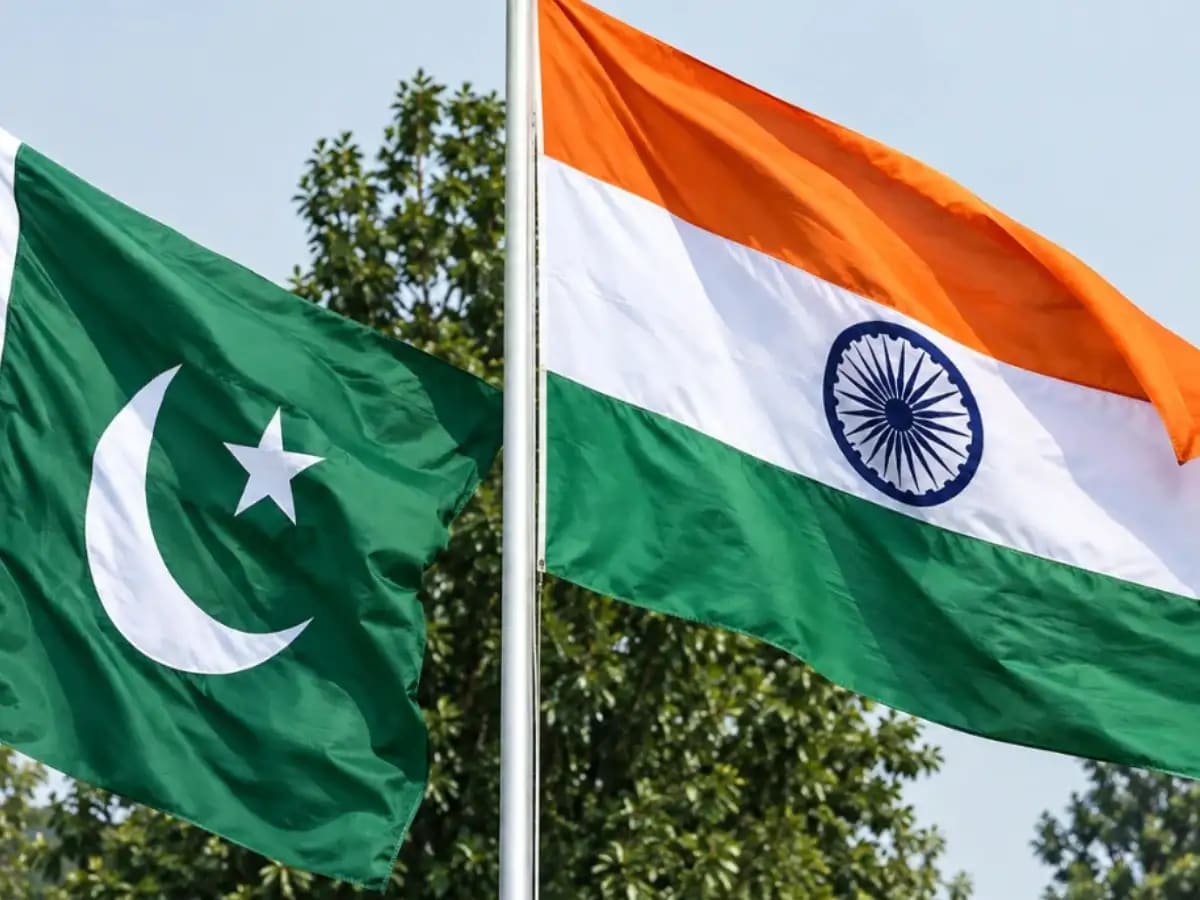
The suspension of trade between Pakistan and India has reportedly resulted in significant financial losses for Pakistan, estimated at around $40 billion. This figure highlights the economic impact of geopolitical tensions and trade restrictions in the region.
Background of India-Pakistan Trade Relations
The trade relationship between India and Pakistan has been historically complicated, influenced by political conflicts and territorial disputes. The two nations have engaged in trade intermittently, with various agreements in place at different times. However, relations soured significantly after the revocation of Article 370 in Jammu and Kashmir by India in August 2019, which led to heightened tensions and the suspension of trade.
Economic Consequences of the Trade Halt
According to a recent report, the halting of trade activities has had a cascading effect on Pakistan's economy. The $40 billion loss encompasses various sectors, including textiles, agriculture, and manufacturing, which have traditionally relied on trade with India for raw materials and market access. In the absence of this trade, many businesses have faced operational challenges and reduced revenue streams.
Sectoral Impact
Textiles: The textile industry, a cornerstone of Pakistan's exports, has been particularly hard hit. Many textile manufacturers depended on Indian cotton and other materials, and the lack of access has resulted in increased production costs and decreased competitiveness.
Agriculture: The agricultural sector has also suffered, especially with products that were previously traded across the border. Farmers have seen reduced market options and prices for their goods.
Manufacturing: Manufacturing industries that relied on components imported from India have had to seek alternatives, often at a higher cost, impacting their profitability.
Repercussions on Bilateral Relations
The economic fallout from the trade suspension has raised concerns about the long-term implications for bilateral relations between the two countries. Analysts suggest that restoring trade could be a step towards easing tensions, but significant political hurdles remain. The current political climate complicates any potential dialogue aimed at reviving trade discussions.
International Perspectives
International observers have noted that the ongoing trade impasse not only affects Pakistan and India but also has broader implications for the South Asian economy. Increased trade between the two nations could potentially lead to greater regional stability and economic growth. Experts argue that addressing the underlying political issues is essential for a sustainable resolution.
Future Prospects
As Pakistan grapples with the financial impact of the trade suspension, the government may need to reassess its economic strategies. Exploring new markets and diversifying trade relationships could be vital steps for Pakistan to mitigate the losses incurred from the halted trade with India. However, any meaningful dialogue to resume trade will likely require a shift in the current political dynamics.
Comments (0)
Be the first to comment!