
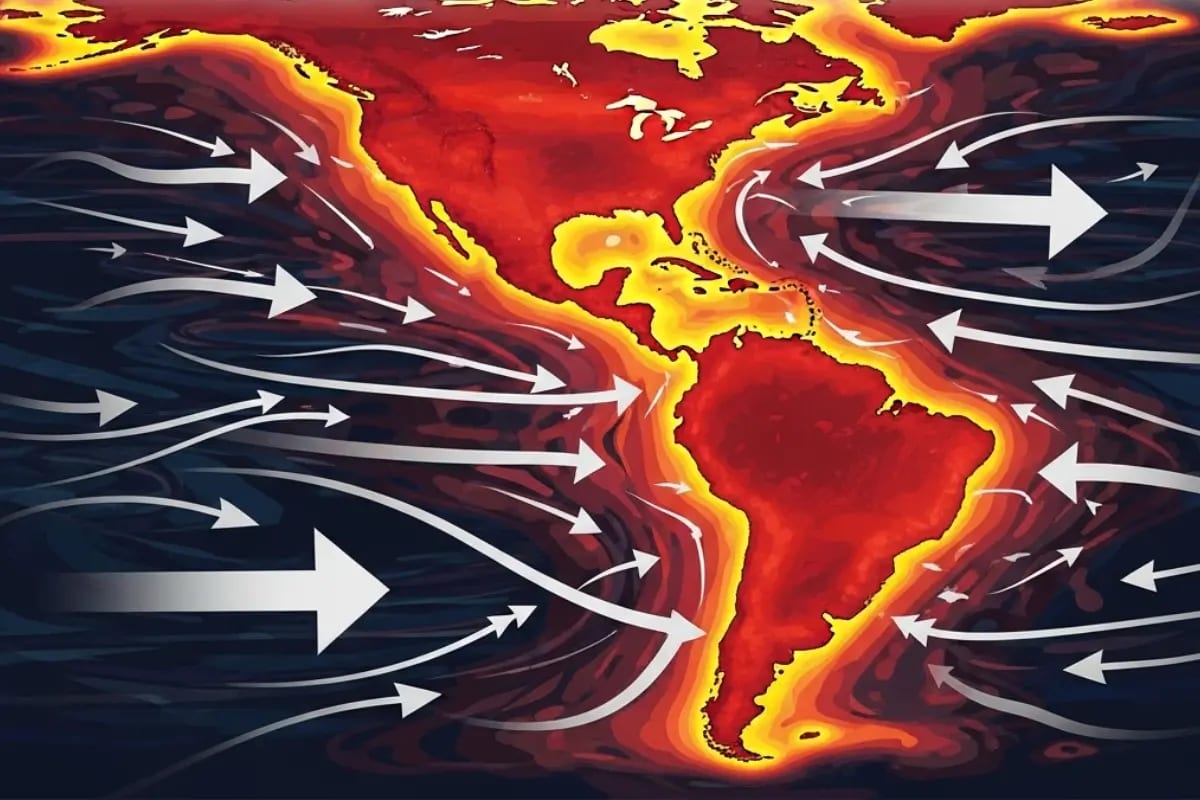
The world is bracing for a significant weather phenomenon as a 'super' El Niño is set to develop, raising concerns among scientists and policymakers alike. This climatic event is expected to have far-reaching effects, not only on weather patterns but also on global economies and ecosystems.
Understanding El Niño and Its Implications
El Niño is a climate pattern characterized by the warming of surface waters in the central and eastern Pacific Ocean. Typically occurring every few years, the phenomenon can disrupt normal weather patterns across the globe, leading to extreme weather events including droughts, floods, and hurricanes. The upcoming super El Niño is anticipated to be stronger than usual, potentially intensifying these effects.
Global Consequences of a Super El Niño
The impending El Niño is expected to wreak havoc across various regions. In South America, particularly in countries like Peru and Ecuador, heavy rainfall could trigger landslides and flooding, impacting agriculture and infrastructure. Conversely, nations in the western Pacific, including Australia and Indonesia, may face severe drought conditions, threatening water supplies and food production.
In North America, the weather patterns could shift dramatically. While the southern states may experience wetter conditions, northern regions might face unusually dry weather. Such changes can disrupt agriculture, leading to food shortages and increased prices, which can ripple through the global economy.
Preparedness and Response Strategies
Despite the looming challenges, experts warn that many countries are ill-prepared to handle the impacts of a super El Niño. Infrastructure deficits, inadequate disaster response systems, and lack of public awareness can hinder effective management of the ensuing crises.
- Infrastructure Readiness: Improving infrastructure to withstand extreme weather is crucial. This includes reinforcing flood defenses and ensuring that drainage systems can handle heavy rains.
- Agricultural Resilience: Farmers must be equipped with knowledge and resources to adapt to changing weather patterns, including drought-resistant crops and water-saving techniques.
- Public Awareness Campaigns: Governments should invest in outreach programs to educate citizens about the potential impacts of El Niño and how to prepare for them.
International Cooperation and Climate Change
Addressing the challenges posed by the super El Niño requires international collaboration. Countries must work together to share resources, knowledge, and technology to mitigate the effects of this climatic event. Additionally, considering the growing frequency of such phenomena due to climate change, long-term strategies to combat global warming are essential.
In conclusion, as the world anticipates the arrival of a super El Niño, it is critical that nations take proactive steps to prepare for its potential impacts. By investing in infrastructure, enhancing agricultural resilience, and fostering international cooperation, the global community can better navigate the chaos that this climatic event may unleash.
Comments (0)
Be the first to comment!