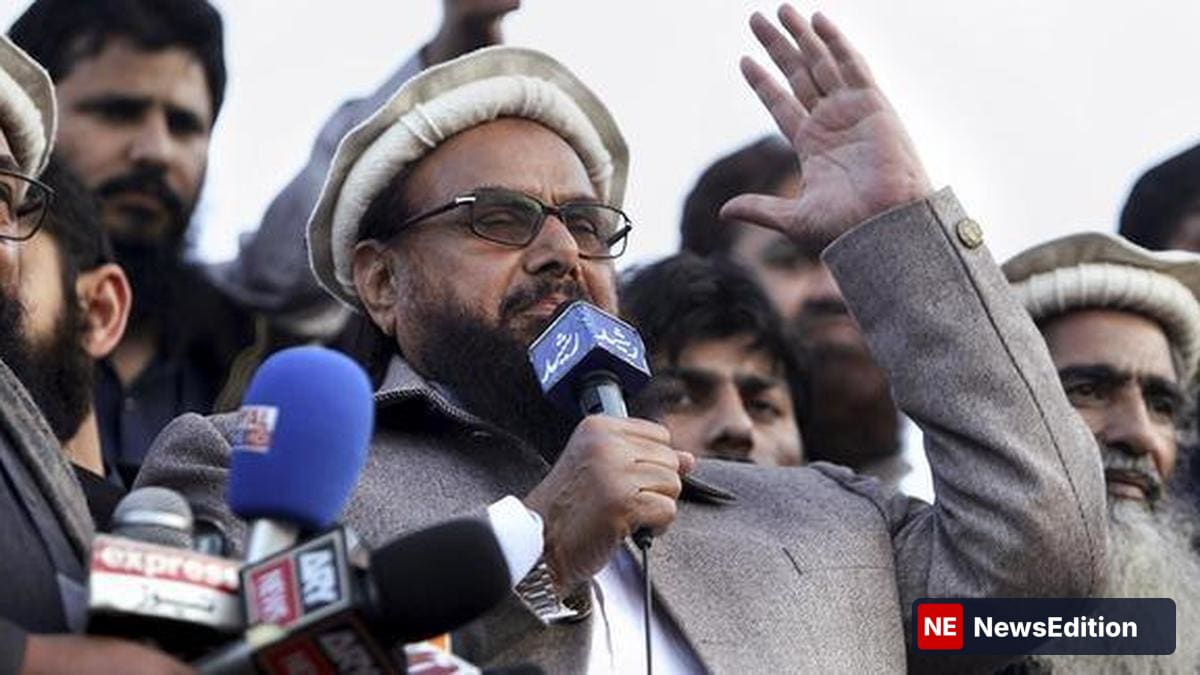
Efforts to enforce proclamation orders against Hafiz Saeed and five other men accused in the 26/11 Mumbai terror attacks have stalled since July, leaving key suspects outside the reach of Indian law and delaying justice for victims, according to reports from The Hindu and Hindustan Times.
The special court in Mumbai issued these orders months ago for six men described by investigators as central figures in the 2008 attacks. Among them are Lashkar-e-Taiba leaders Hafiz Saeed and Zaki-ur-Rehman Lakhvi. The other four named on the court’s list are Sajid Mir, Abu Alqama, Asim (also known as Abu Qahafa), and Major Abdur Rehman Pasha. All six are believed to be in Pakistan, and are accused of orchestrating the deadly siege that left 166 people dead, including citizens from the US and other countries.
Meanwhile, the ongoing prosecution in Mumbai focuses on Zabiuddin Ansari, also known as Abu Jundal, who is being tried for training the group of ten attackers and providing them with essential information about Mumbai. Jundal’s trial resumed in November of last year after a long pause, having been delayed since 2018 by a dispute over the sharing of key documents. The Bombay High Court cleared the way for proceedings to resume.
In August and September, prosecutors informed the court that they had formally requested the Ministry of Home Affairs (MHA) to carry out the court’s orders and deliver them to the absconding suspects through Interpol. Both The Hindu and Hindustan Times report that, as of now, the MHA has not acted on these requests or provided any update to the court.
Special Public Prosecutor Ujjwal Nikam told PTI that, despite the lack of movement, he remained confident that the masterminds behind the attacks would eventually be punished in India. In his words: "The prosecution will ensure that all those persons who facilitated the dastardly attacks would be punished on Indian soil." Nikam also noted that the authorities have already issued non-bailable warrants and sought Interpol Red Corner notices for the six men, using diplomatic channels. However, he voiced strong doubts that Pakistan would cooperate, stating that the country remains a haven for those accused of terrorism.
The involvement of these six men, according to investigators, was brought to light by Ajmal Kasab—the only attacker apprehended alive—and David Headley, who turned approver. Kasab was convicted in 2010 and executed in Pune’s Yerwada Jail in November 2012.
How the proclamation orders affect the case
The court’s proclamation orders serve to officially declare these six men as fugitives and pave the way for legal steps against them, even if they are not present in India. Prosecutor Nikam explained to the court that, under the new criminal procedure code enacted as the Bharatiya Nagarik Suraksha Sanhita (BNSS) in 2023, trials can proceed against people who have been proclaimed offenders, even if there is no immediate prospect of arrest. This provision allows the judicial process to continue despite the accused being outside the country and not in custody.
Prosecutors said all routine legal and diplomatic procedures have been followed, including making formal requests to the MHA for further action through Interpol. However, the reports state no official response or explanation has been issued by the MHA regarding the pending request. There is also no indication of any progress in serving the orders abroad.
Jundal’s trial, which had been in limbo due to a dispute over the disclosure of certain documents, resumed only after the Bombay High Court resolved the matter late last year.
Analysis: what the current impasse reveals
- The absence of action by the Ministry of Home Affairs after receiving the prosecution’s request points to bureaucratic or diplomatic hurdles that are slowing down the process of bringing the main suspects to justice.
- The ability to conduct trials without the accused present, under the BNSS 2023, could help keep the case moving, but the reports do not clarify whether this will have any real impact on extraditing or convicting those outside India’s jurisdiction.
- Prosecutor Nikam’s comments highlight ongoing difficulties in cross-border law enforcement, especially given the strained relationship between India and Pakistan, and the lack of cooperation expected from Pakistani authorities.
Next steps for the 26/11 proceedings
According to both newspapers, the next move depends on whether the Ministry of Home Affairs acts on the prosecution’s request to serve the court orders via Interpol. In the meantime, the special court in Mumbai will continue hearing the case against Abu Jundal under the rules that permit trials against accused who remain at large.
Comments (0)
Be the first to comment!