
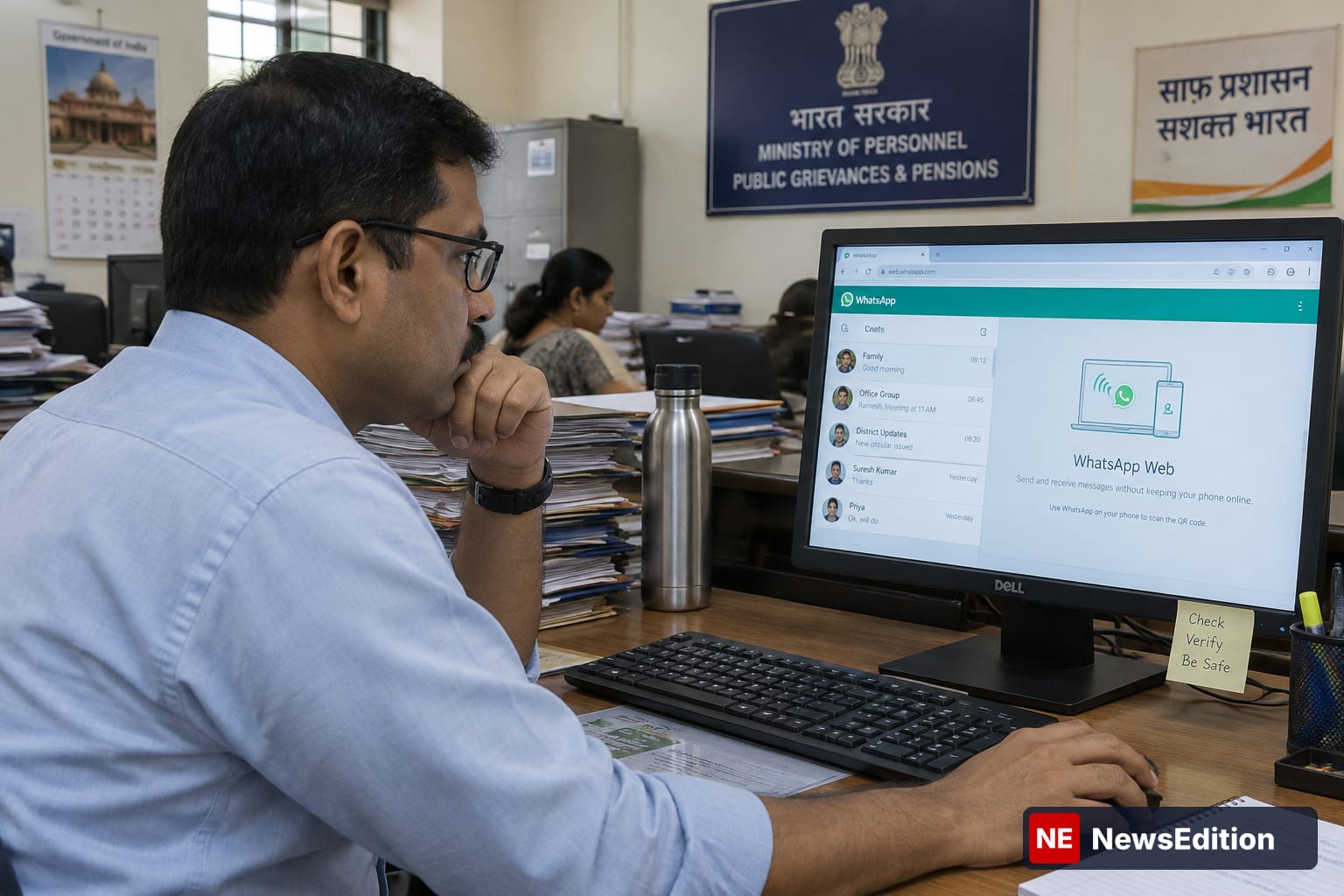
The Union Ministry of Home Affairs has issued a warning that using WhatsApp Web for sharing sensitive government, financial or organisational information may expose users to cyber threats, impacting both public and private sector communications, according to The Indian Express.
This advisory comes from the National Cybercrime Threat Analytics Unit (NCTAU), part of the Indian Cyber Crime Coordination Centre (I4C). The notice highlights that cybercriminals can, in some situations, exploit active browser sessions on WhatsApp Web to gain entry into users’ accounts. Such unauthorised access could let attackers read private chats, monitor group messages, or pretend to be the account owner to commit financial fraud or phishing scams.
What changes for WhatsApp Web users after the advisory
WhatsApp Web works by linking a user’s smartphone to a computer browser, letting people use the messaging service on a larger screen. Once a session is set up, the computer can continue to operate WhatsApp even if the phone goes offline. This convenience, however, introduces new risks, especially if the computer is shared or used in public spaces.
If a person uses WhatsApp Web on a device that others can access, and does not end the session, someone else could open the browser and view messages or send new ones under their name. Devices that already have malicious software installed are even more dangerous, as these can reveal sensitive messages or allow criminals to hijack the account for fraud.
The government’s concern is heightened because WhatsApp is widely used in India’s official and business circles, including for sharing documents that may be confidential. If a criminal takes over an account through WhatsApp Web, they could trick colleagues or family members into sending money or confidential data, using the trust built up in existing relationships.
The advisory points out that the security issue is not with WhatsApp’s end-to-end encryption itself, which also covers devices linked through WhatsApp Web. Instead, the problem is that once messages are decrypted on a browser, anyone with access to that computer—or malware on it—can read them.
The NCTAU officially states: “Government, organisational, financial, confidential or other sensitive information should preferably not be exchanged through WhatsApp Web sessions on computers.”
People have been told to exit WhatsApp Web sessions using the logout option every time, rather than just shutting the browser window or closing the tab. If a session is left open, the browser may still allow access to the WhatsApp account, increasing the risk of data leaks.
The advisory recommends avoiding WhatsApp Web on public or unfamiliar devices, such as those in internet cafes, hotels, or kiosks. If someone must use WhatsApp Web temporarily, officials suggest sticking to trusted computers, using private or incognito mode, and signing out from the session before leaving. However, even private browsing does not protect against computers that are already infected with malicious software.
Users are also encouraged to check which devices have access to their WhatsApp account through the mobile app and disconnect any that are unfamiliar. Keeping operating systems, browsers, and security software updated, as well as avoiding suspicious downloads, are also part of the government’s recommendations. Any odd activity on WhatsApp accounts should be treated as a warning sign.
Analysis: why the government is focusing on browser-based WhatsApp
- This suggests authorities see a higher risk when WhatsApp accounts are accessed through browsers, especially since shared or public computers are harder to secure than personal phones.
- The advisory could reflect concerns about recent attempts or successful cases of fraud involving WhatsApp Web, though no specific incidents are cited in the reports.
- By stating that encryption is not at fault, the government is directing attention to risks that come from compromised computers or physical access, rather than flaws in WhatsApp’s technical security.
What happens next for users and organisations
The advisory currently serves as guidance rather than an enforceable rule. Departments, companies, and individuals are expected to review their communication habits and take extra care when handling sensitive information through WhatsApp Web. The reports do not mention any immediate plans to impose stricter controls or bans on WhatsApp Web use at this point.
Comments (0)
Be the first to comment!